


 English
 русский
 Español
 عربى
عربىExhaust Fan Motor Replacement
-- Steady & Reliable Manufacturer --
Exhaust fans cover a wider range of equipment than the name suggests - inline duct fans pulling air through ductwork, wall-mounted units venting a single room, and roof-mounted exhaust fans clearing an entire workshop or warehouse all rely on the same basic component to do the actual work: a motor spinning a fan wheel against whatever resistance the ductwork or opening creates. When that motor weakens or fails, airflow drops well before the fan stops turning altogether, which is why a slow decline in exhaust performance is often mistaken for a dirty filter or blocked duct when the motor itself is the real cause.
Exhaust fan motors fail for reasons that are fairly specific to this category of equipment. Grease-laden air in kitchen exhaust systems gradually coats the motor and bearings, moisture and condensation build up in bathroom exhaust fans that run intermittently in humid conditions, and industrial exhaust fans running continuously for years simply wear out their bearings from accumulated duty hours. Each of these failure modes points to a different priority when selecting a replacement - grease resistance, moisture sealing, or long-duty-cycle bearing life - rather than a single generic "exhaust fan motor" specification covering every case equally well.
Legacy exhaust fan motors are mostly AC shaded-pole or PSC designs running at a single fixed speed. EC (electronically commutated) motor replacements have become increasingly common because they support variable-speed operation from a single motor rather than requiring separate windings or external speed controllers, and they draw meaningfully less power at reduced speed settings - which matters directly for buildings where exhaust fans run continuously and where energy codes increasingly specify a minimum efficiency level for ventilation equipment.
Matching a replacement to the original installation depends on more than raw motor size. Airflow output, expressed in CFM, needs to be evaluated against the static pressure of the specific duct run or housing, since a motor that would move plenty of air in an open wall mount can fall short once it is pushing air through twenty feet of ducting with several bends. Mounting orientation also matters more here than in most motor replacement categories, since exhaust fan motors are installed horizontally, vertically, and at odd angles depending on the housing, and a motor rated for one orientation is not automatically safe to run in another.
Noise is a factor that gets less attention in exhaust fan replacement than it deserves, particularly for residential bathroom fans where the unit runs close to where people are standing. A motor that is mechanically fine but was never balanced or tested for noise can be noticeably louder than the original it replaced, even at the same rated airflow - which is one of the more common complaints after a replacement that otherwise fits and performs correctly. Requesting a noise figure alongside the airflow and pressure specification, rather than assuming quieter is the default, avoids this after the fact.
For OEMs building exhaust fan products for sale rather than replacing a single installed unit, certification requirements add another layer to the sourcing conversation. Depending on the destination market, an exhaust fan motor may need to meet specific electrical safety certifications before the finished product can be sold, and the motor itself is usually the component under the most scrutiny given its role in a continuously powered, often enclosed installation. Confirming which certifications a motor already carries - and which ones would need to be added for a new market - is worth doing early in a sourcing project rather than after tooling and packaging have already been finalized.
Where a facility is already using a building automation system or a simple wall-mounted speed controller, the replacement motor's control interface needs to match what is already installed rather than assuming a universal fit. A motor built for 0-10V analog control will not respond correctly to a PWM signal, and a motor expecting a Hall-sensor feedback loop for closed-loop speed control is a different specification again from an open-loop unit - this is one of the more common mismatches in exhaust fan motor replacement projects, and one of the easiest to avoid by confirming the control signal type before ordering rather than after installation.
For OEMs building exhaust fan products rather than repairing installed units, the sourcing conversation shifts toward duty-cycle rating and batch consistency: an exhaust fan sold as suitable for continuous commercial use needs a motor genuinely tested for that duty cycle, not a residential-grade unit relabeled for a heavier application it was never built to sustain.

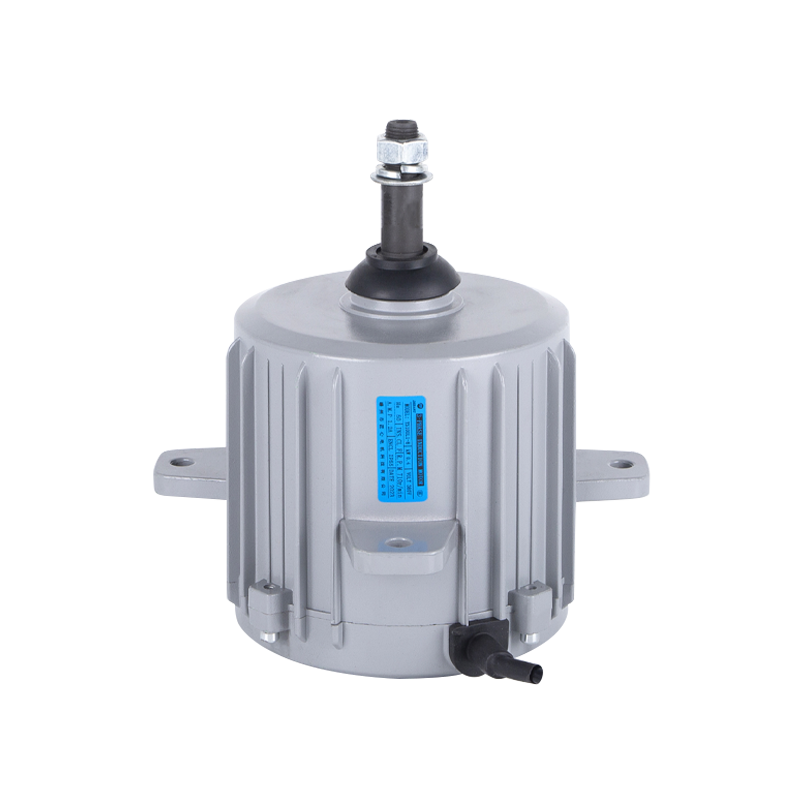


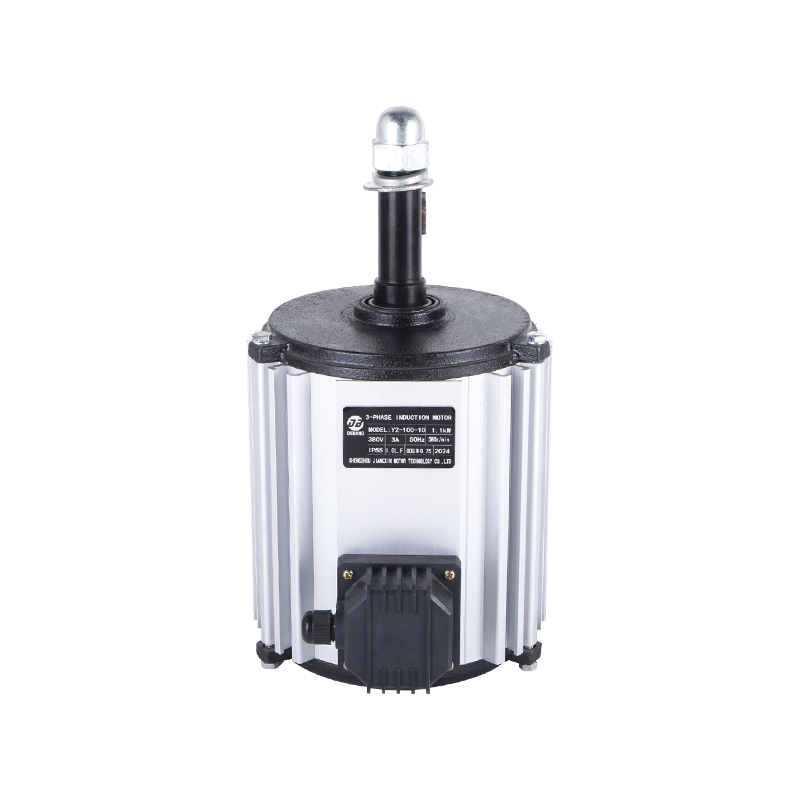
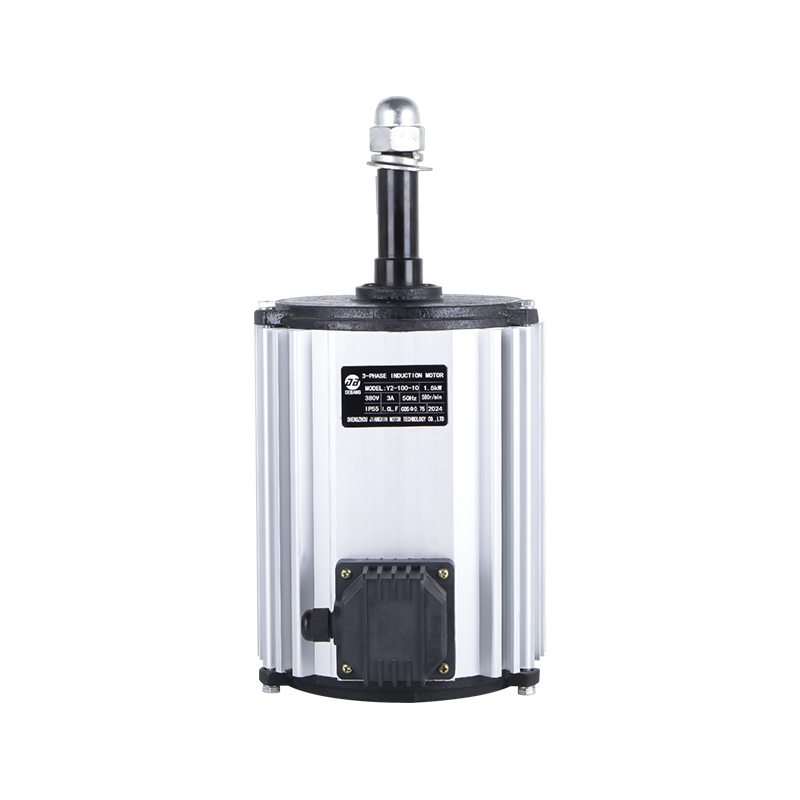
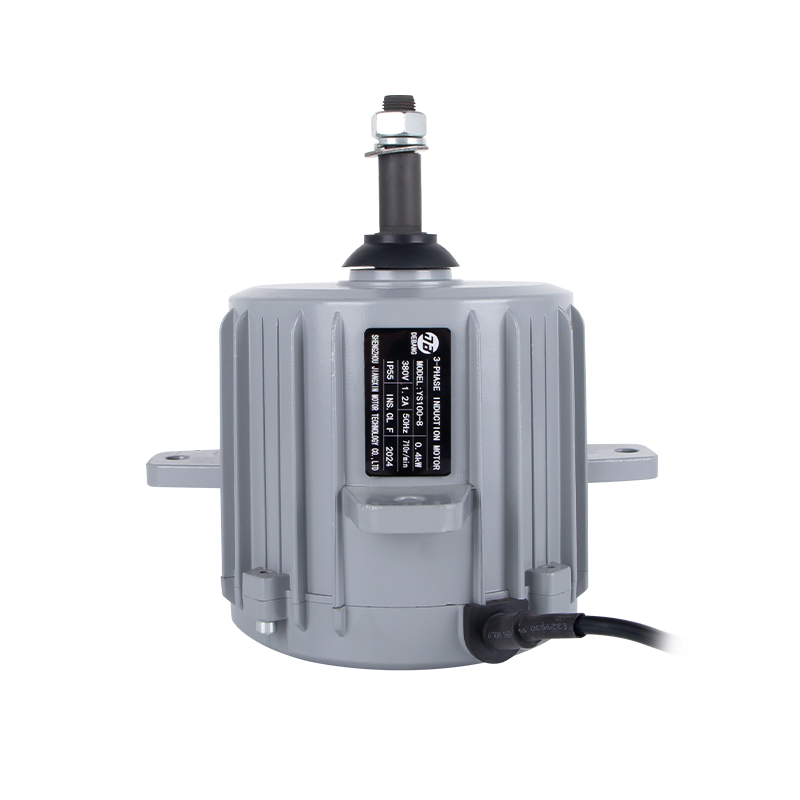
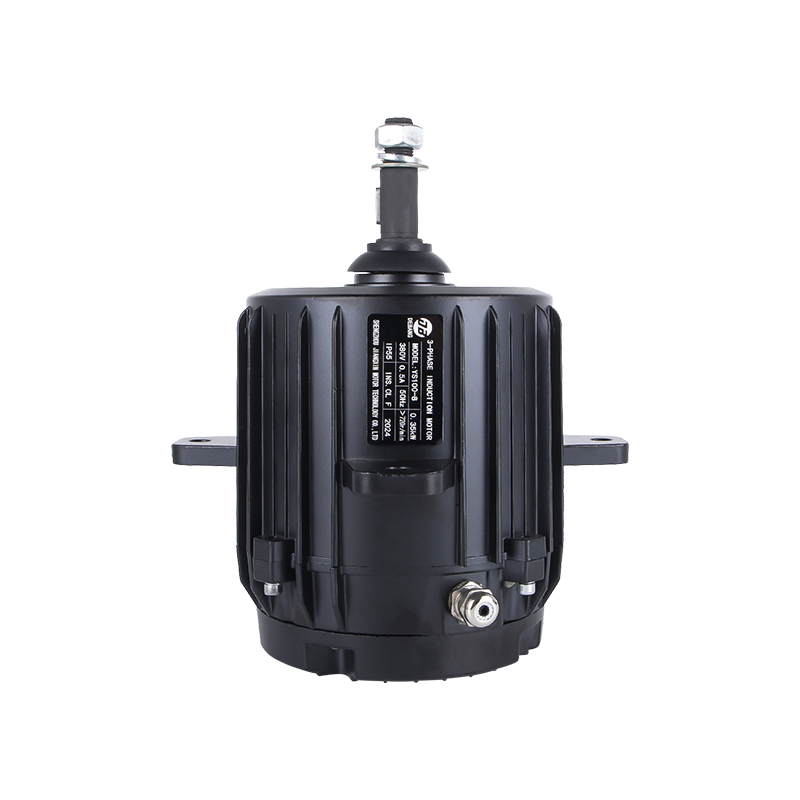

Specifications
| Parameter | Typical Range |
|---|---|
| Motor Type | EC (electronically commutated), AC shaded-pole, or PSC replacement |
| Input Voltage | AC 110-240V, or DC 12V / 24V / 48V for EC versions |
| Speed Control | Fixed speed, or variable via PWM / 0-10V / Hall sensor feedback |
| Duty Cycle | Intermittent (bathroom/kitchen) or continuous (industrial) |
| Mounting Orientation | Horizontal, vertical, or inline duct - specify at order |
| Protection Rating | IP44 / IP54 for grease or moisture exposure |
Applications
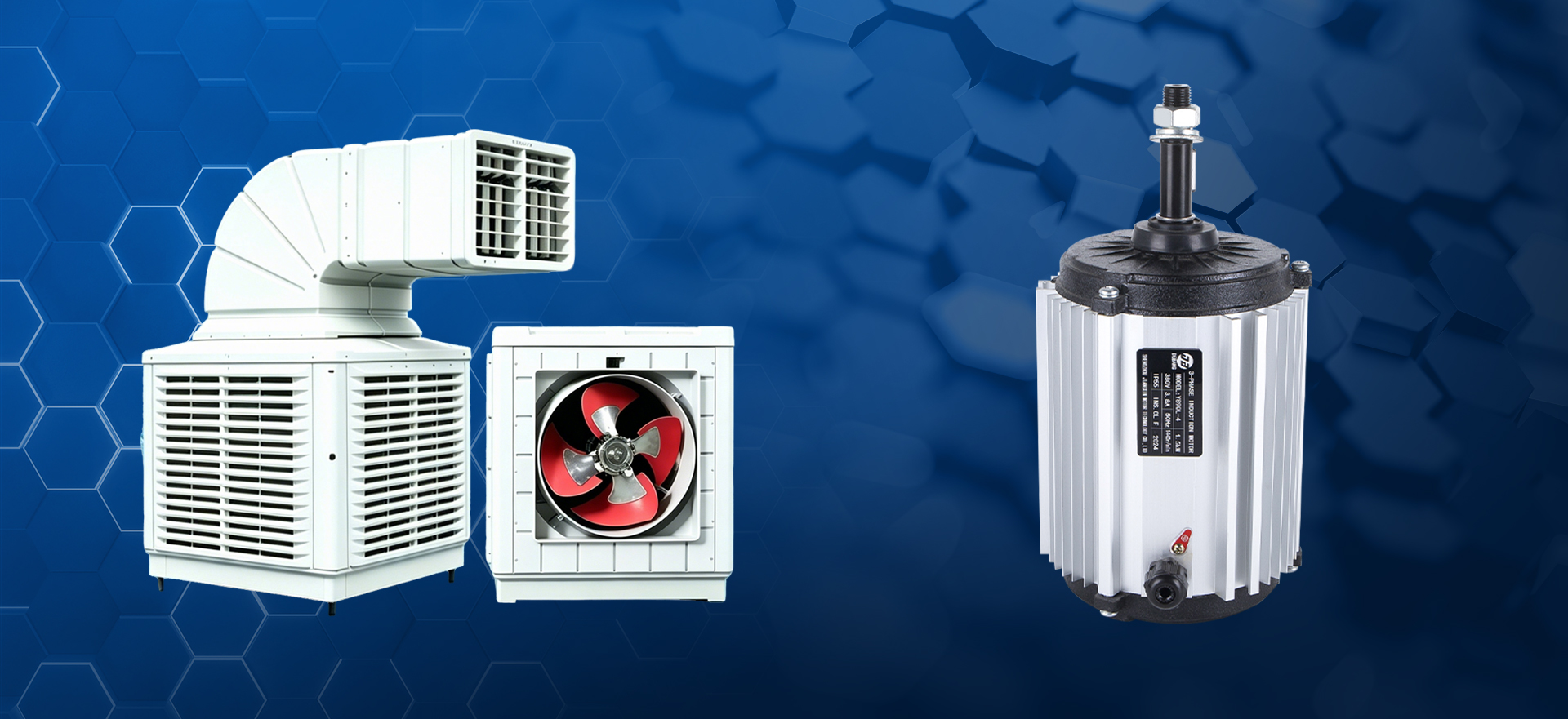
- Kitchen Exhaust Systems - grease-resistant motor construction for range hoods and commercial kitchen extraction.
- Bathroom and Residential Exhaust Fans - moisture-sealed motors for intermittent, humid-condition operation.
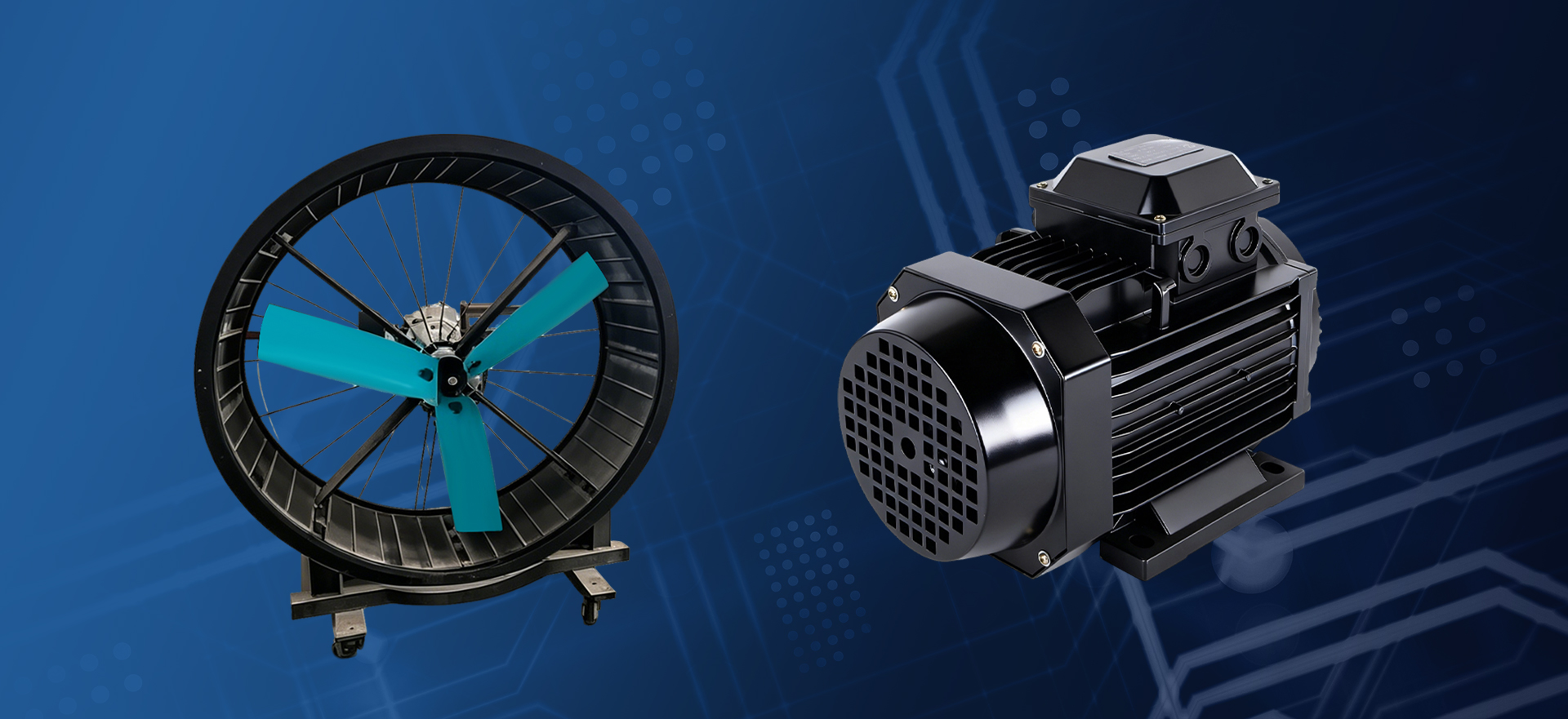
- Industrial and Warehouse Exhaust - continuous-duty motors for roof-mounted and wall-mounted extraction systems.
- Inline Duct Fans - motors built to run against the static pressure of long or restrictive duct runs.
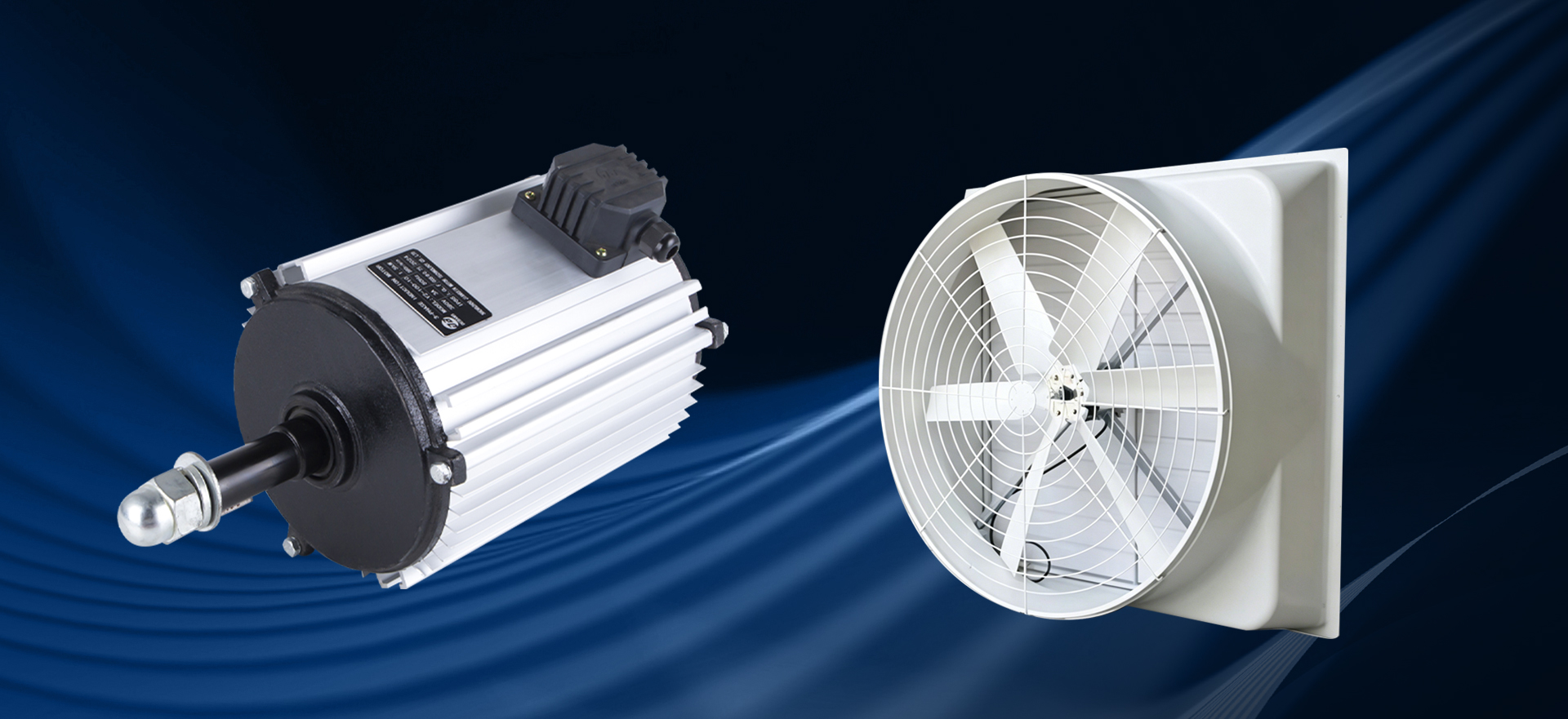
Manufacturing Capability
Exhaust environments are harder on a motor than open-air ventilation, so grease and moisture resistance are built in at the winding and housing stage rather than added afterward.
- Sealed winding and bearing options for grease- and moisture-heavy environments
- Duty-cycle testing to confirm continuous-duty models meet their rated run time
- In-house control-board integration for EC variable-speed models
- Airflow and static-pressure testing before a model is released to production
Customization
Exhaust fan replacement projects usually involve matching an existing housing while upgrading the control method, rather than starting a mechanical design from a blank page.
- Airflow (CFM) and static-pressure rating tuned to your duct or housing design
- Control interface matched to your existing controller: PWM, 0-10V, or Hall sensor
- Mounting orientation and bracket matched to horizontal, vertical, or inline housings
- Sample development typically completed within 7-15 business days
Ordering Process
- Step 1. Share your target CFM, static pressure, and control interface
- Step 2. Engineering confirms feasibility and proposes a specification
- Step 3. Sample production and airflow/duty-cycle testing
- Step 4. Sample approval and quotation confirmation
- Step 5. Mass production and pre-shipment inspection
Standard payment terms are T/T with a deposit before production and balance before shipment; L/C is accepted for larger orders.
About jiangxin
SHENGZHOU JIANGXIN MOTOR TECHNOLOGY CO., LTD.
Shengzhou Jiangxin Motor Technology Co., Ltd., established in 2017, is a professional manufacturer dedicated to the R&D, production and sales of high-quality AC/DC motors and micro motors. Based in Shengzhou, Zhejiang, we enjoy a convenient location and superior industrial support in the Yangtze River Delta.
As China Exhaust Fan Motor Replacement Manufacturers and Exhaust Fan Motor Replacement Factory, we own modern production facilities, advanced automated equipment and a professional R&D team, and have been recognized as a provincial-level technology enterprise. With strict quality control systems and strong innovation capabilities, we focus on producing reliable, energy-efficient and long-lasting motors.
Our main products include evaporative air cooler motors, industrial heater motors, oil pump motors and customized motors, which are widely used in environmental protection equipment, industrial heating, hydraulic systems and other fields. Our products are exported to more than 60 countries and regions around the world.
Adhering to the spirit of craftsmanship and customer-oriented service, we continue to provide stable products and professional solutions. We are committed to becoming a trusted partner in the global motor industry and creating long-term value for customers.
Certificate Of Honor
View More Certificates
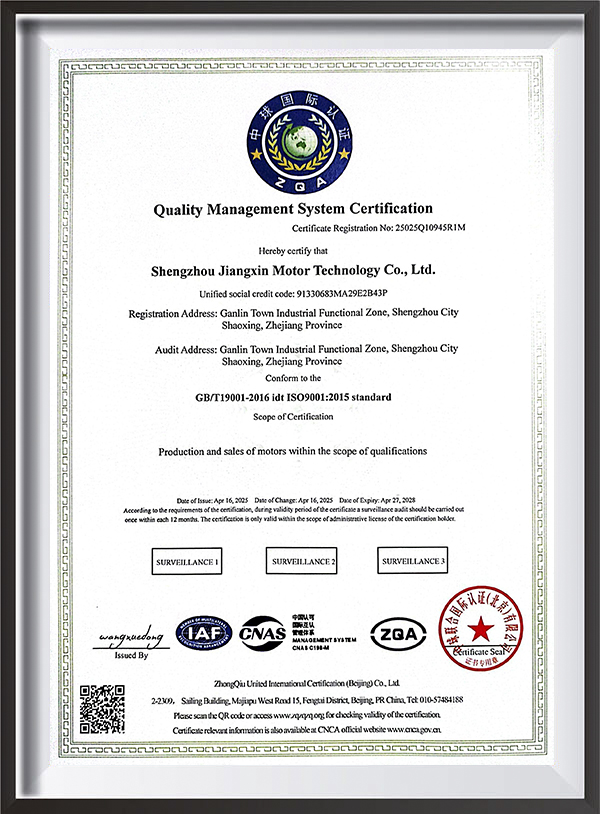
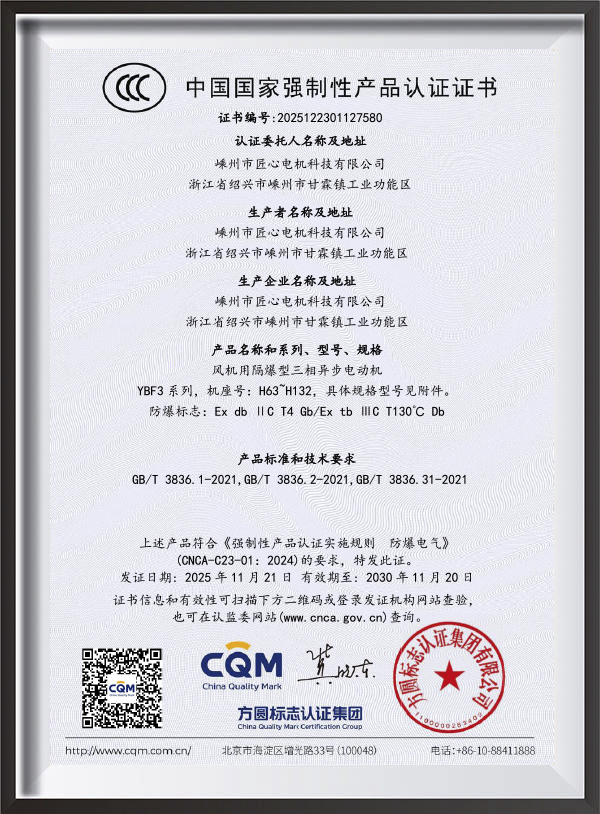
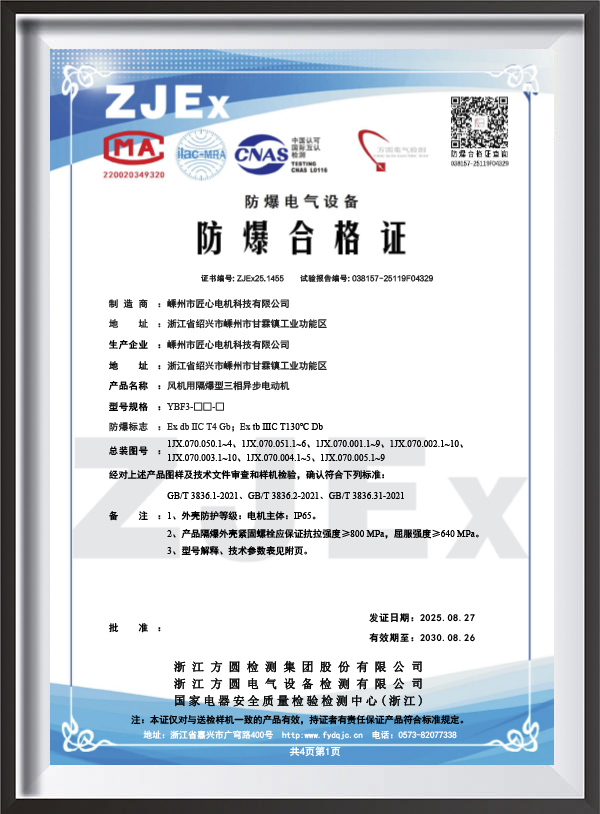
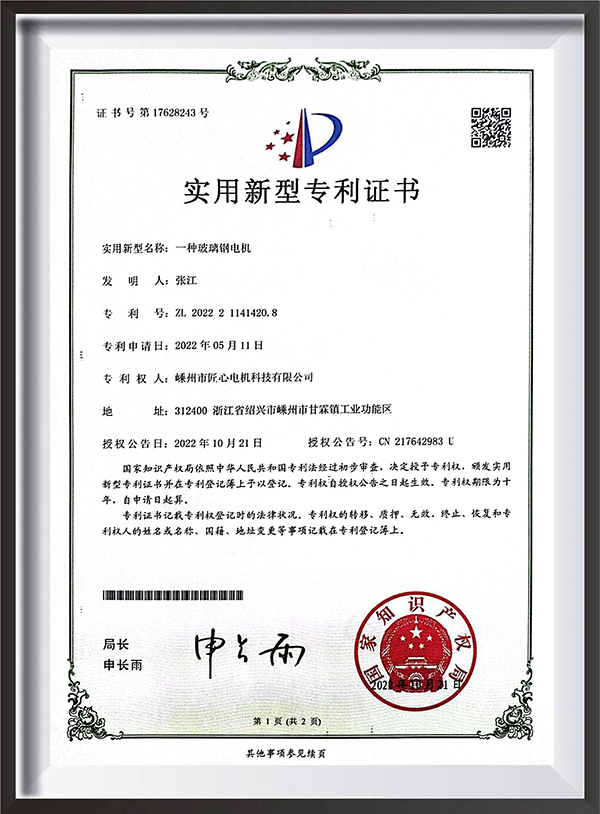
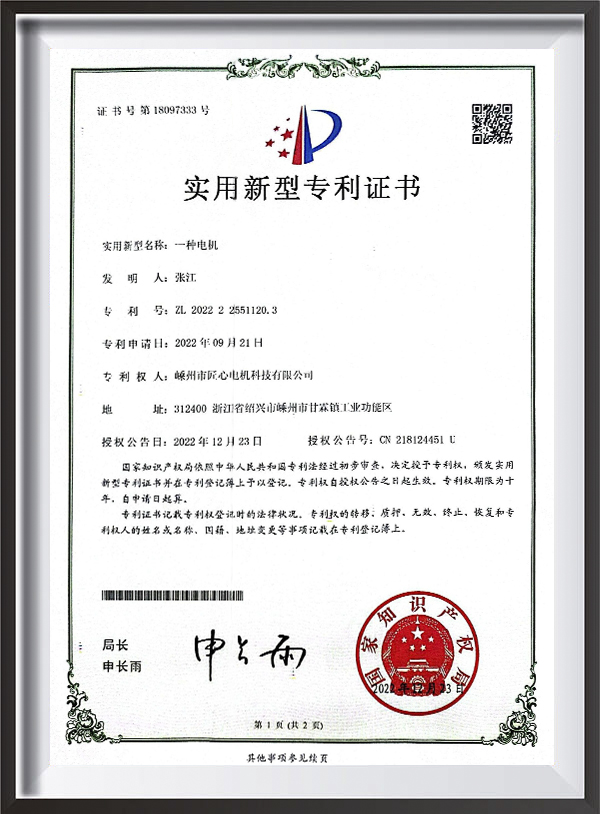
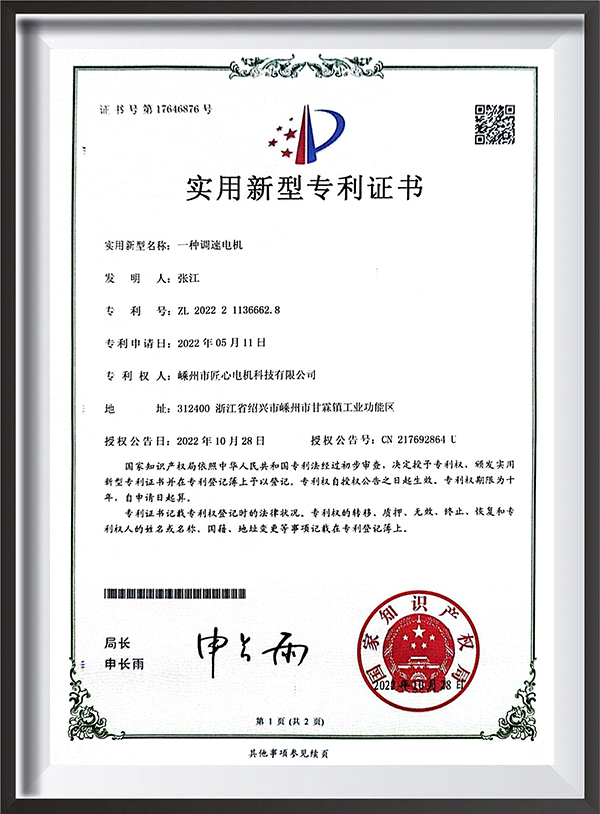
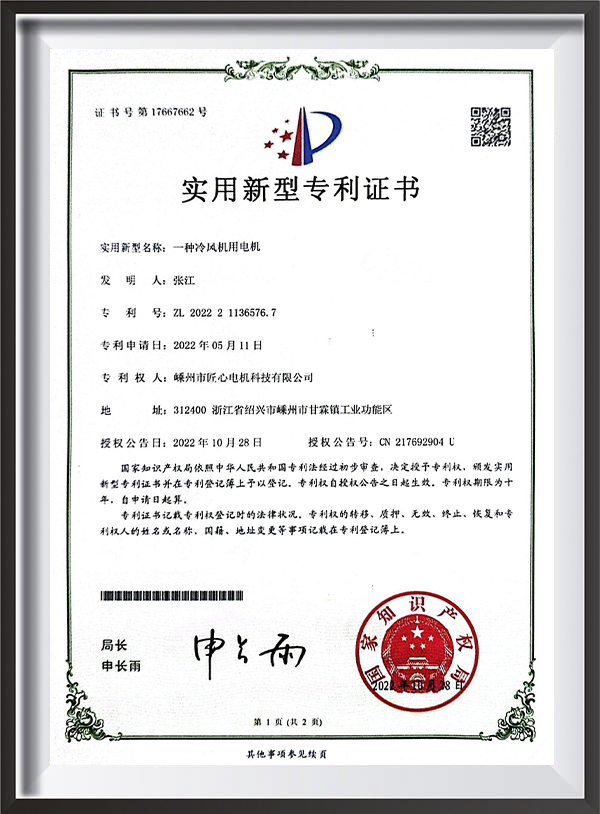
Jiangxin Motor holds CNIPA utility model patents for structural and performance improvements in micro, fan, and AC motors, showcasing our energy-saving expertise and commitment to reliable, high-efficiency solutions.
Message Feedback
Request a Quote
Tell us your requirements and our engineering team will get back to you.