


 English
 русский
 Español
 عربى
عربىEC Motor Ventilation Fan
-- Steady & Reliable Manufacturer --
Commercial buildings - offices, retail spaces, and mixed-use developments - ventilate differently than the industrial, agricultural, and residential settings covered elsewhere on this site, and an EC Motor Ventilation Fan built for this segment has to answer to a different set of priorities: energy code compliance, integration with building management systems, and noise levels low enough to sit near occupied office space without being noticed.
How Commercial Ventilation Priorities Differ From Industrial or Residential Use
Energy codes increasingly specify minimum efficiency requirements for commercial building ventilation equipment, and a fan motor that cannot demonstrate its efficiency across a documented operating range can become a genuine barrier to a building achieving code compliance or a sustainability certification a developer is targeting. This regulatory dimension is less prominent in industrial or residential fan applications, where efficiency, while still valued, is rarely a hard compliance requirement in the same way. Sustainability certification programs in particular often award credit specifically for documented equipment performance data, which makes thorough efficiency documentation a genuine project asset rather than a paperwork formality.
Building management system integration is a second priority specific to this segment. Commercial buildings increasingly run ventilation as part of a centrally managed system that adjusts airflow based on occupancy, time of day, and measured air quality rather than a simple on/off switch or a fixed local thermostat, and an EC motor's variable-speed control interface needs to communicate cleanly with whatever building automation protocol a given project uses.
Demand-controlled ventilation - adjusting airflow based on real-time occupancy or CO2 sensors rather than running at a fixed rate around the clock - has become increasingly common in commercial building design specifically because it reduces energy use without compromising air quality when spaces are actually occupied. This approach places a motor through a much wider and more frequent range of speed changes than a fixed-rate system would, which is part of why EC motors, with their inherently wide and efficient speed range, have become the practical default for new commercial ventilation projects built around this control strategy.
Noise as a Design Constraint, Not Just a Comfort Feature
Office and retail environments hold ventilation equipment to a noise standard that industrial or agricultural applications generally do not, since the people occupying the space are working, meeting, or shopping within earshot of the equipment rather than operating machinery of their own that already sets the ambient noise floor. A fan motor that would be perfectly acceptable in a factory can be a genuine complaint generator in an open-plan office, which is why acoustic performance across the motor's full speed range - not just its lowest setting - deserves explicit attention during specification.
Vibration transmitted through building structure is a related but distinct concern from airborne noise, particularly in buildings with lightweight construction or ventilation equipment mounted on upper floors close to occupied space below. A well-balanced EC motor reduces this risk at the source, which matters more in a commercial building context than in a standalone industrial installation where the equipment sits on its own isolated foundation.
Acoustic performance at partial speed deserves specific attention because demand-controlled ventilation systems spend much of their operating time at reduced output rather than full speed, and a motor that is quiet at maximum airflow can still produce an audible tone or whine at certain partial-speed points if its internal electronics were not specifically engineered to avoid that behavior. Testing and documenting noise across the full speed range, rather than only at the loudest setting, catches this kind of issue before it becomes a tenant complaint after installation.
Specifying Fans for Commercial HVAC and Fresh-Air Systems
Energy recovery ventilators, fresh-air intake systems, and general exhaust equipment in commercial buildings all rely on this category of motor, and sizing needs to account for the building's actual occupancy-driven airflow requirement rather than a fixed figure, since commercial ventilation codes frequently specify airflow per occupant or per square foot that scales with the space's intended use.
For HVAC equipment manufacturers building commercial-grade ventilation products, motors that ship with documented efficiency and noise data across their full speed range make it considerably easier for a building engineer or architect to specify the equipment into a project with confidence, rather than requiring follow-up testing or documentation requests partway through an already time-constrained design and approval process.




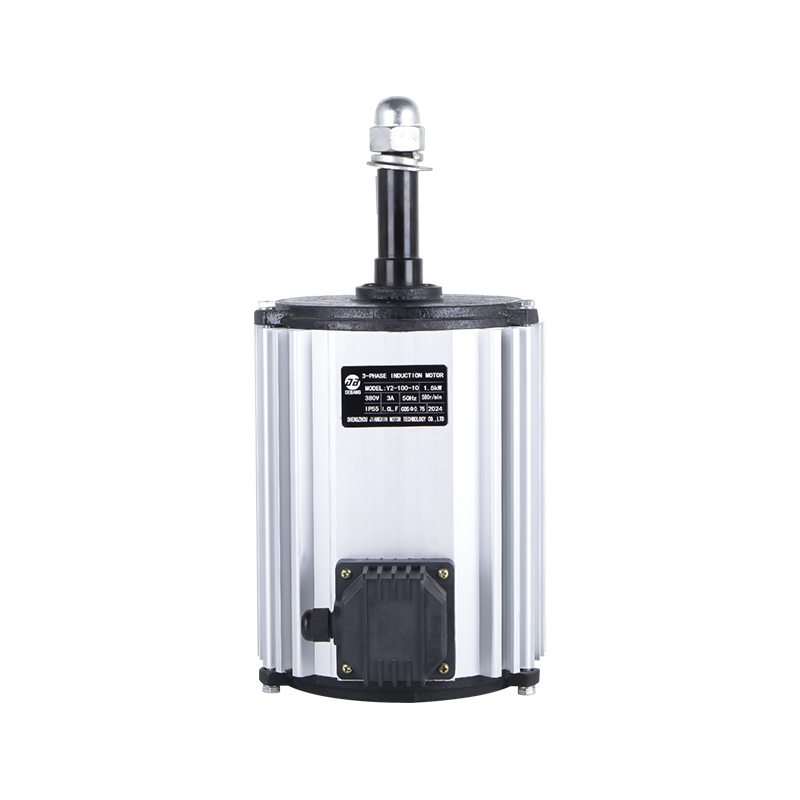
Specifications
| Parameter | Typical Range |
|---|---|
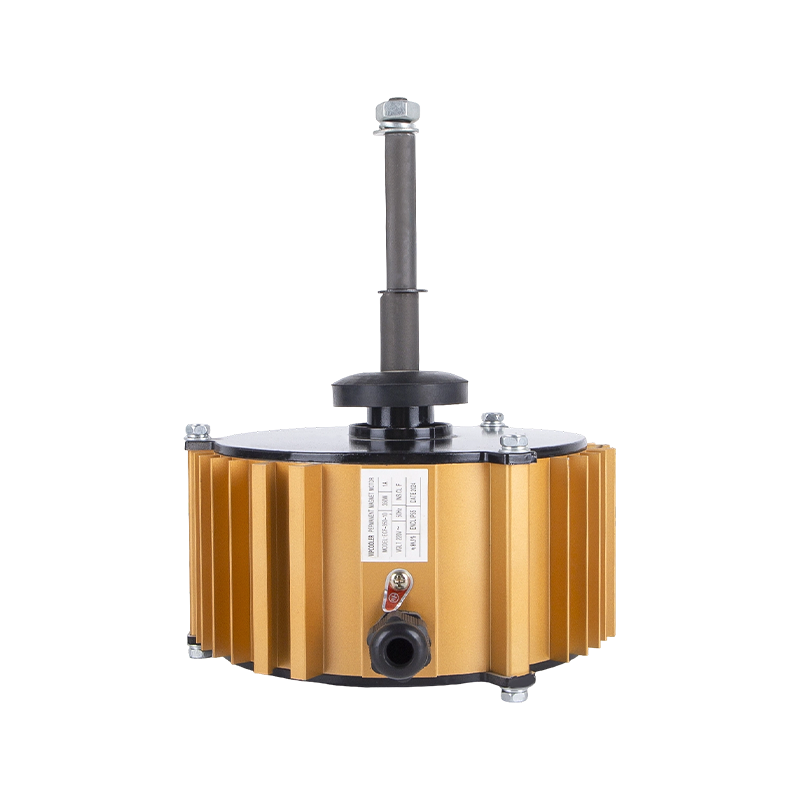
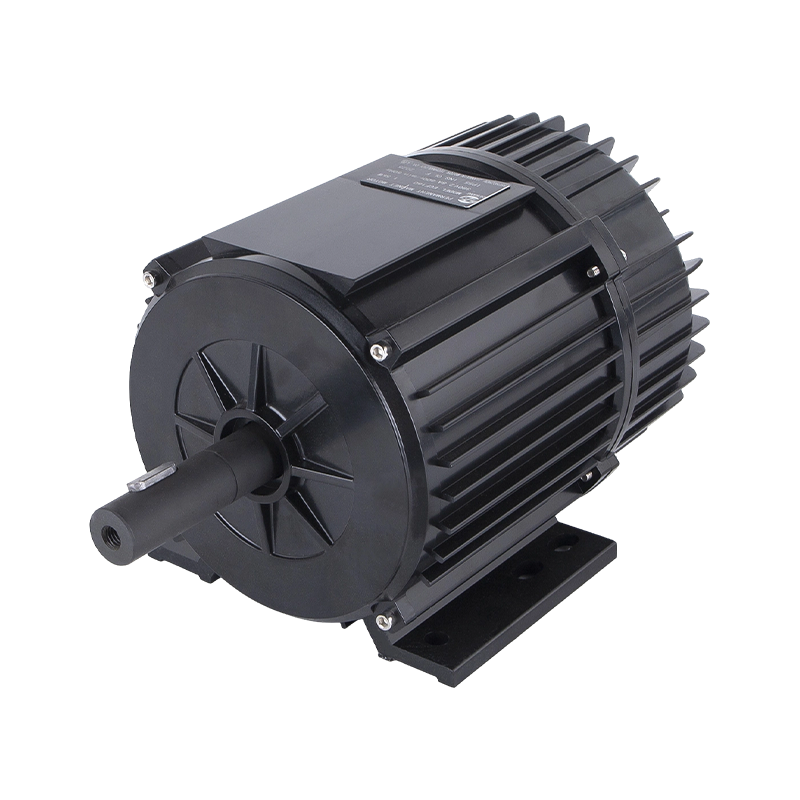
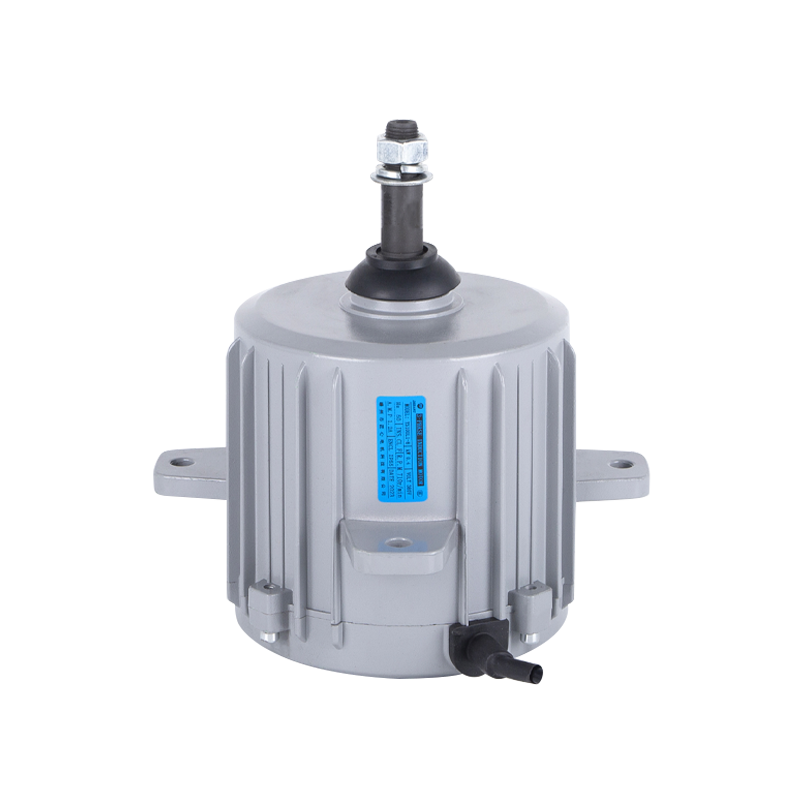
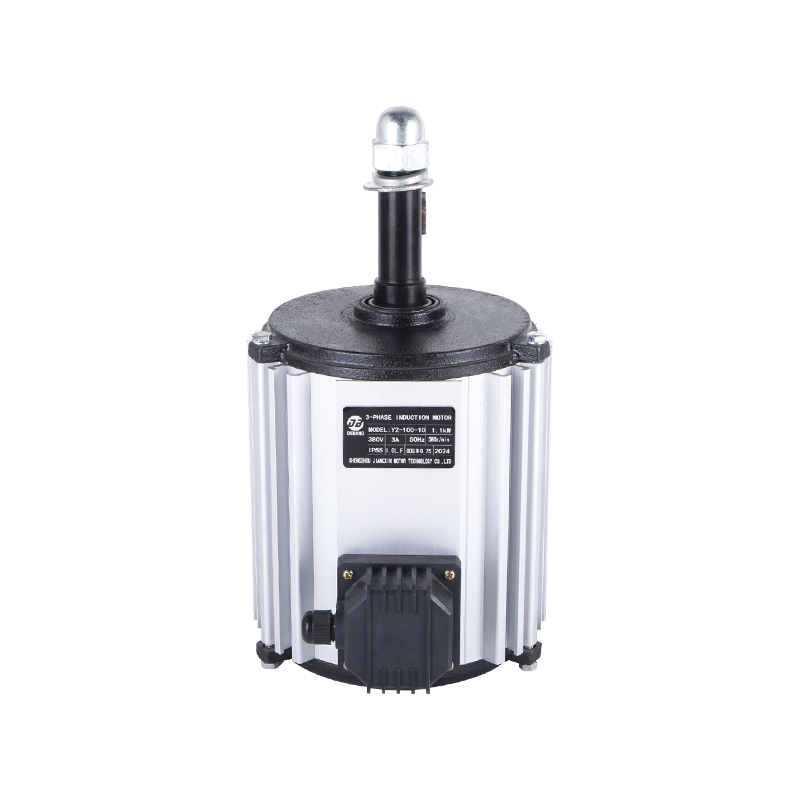
| Motor Type | EC (electronically commutated) ventilation fan motor |
| Input Voltage | AC 110-240V with built-in driver, or DC 24V / 48V |
| Control Interface | 0-10V, PWM, or BMS-integrated protocols |
| Noise Level | Documented across the full speed range, not a single point |
| Efficiency | Documented performance curve for code compliance |
| Mounting | Custom, matched to AHU, ERV, or duct housing design |
Applications
- Office and Commercial Building Ventilation - quiet, code-compliant airflow for occupied workspace.
- Energy Recovery Ventilators (ERV/HRV) - efficient, variable-speed motors for fresh-air exchange systems.
- Retail and Mixed-Use Developments - ventilation integrated with building management and occupancy control.
- Commercial HVAC Equipment Manufacturers - motors specified with documented efficiency and noise data for design-in confidence.
Manufacturing Capability
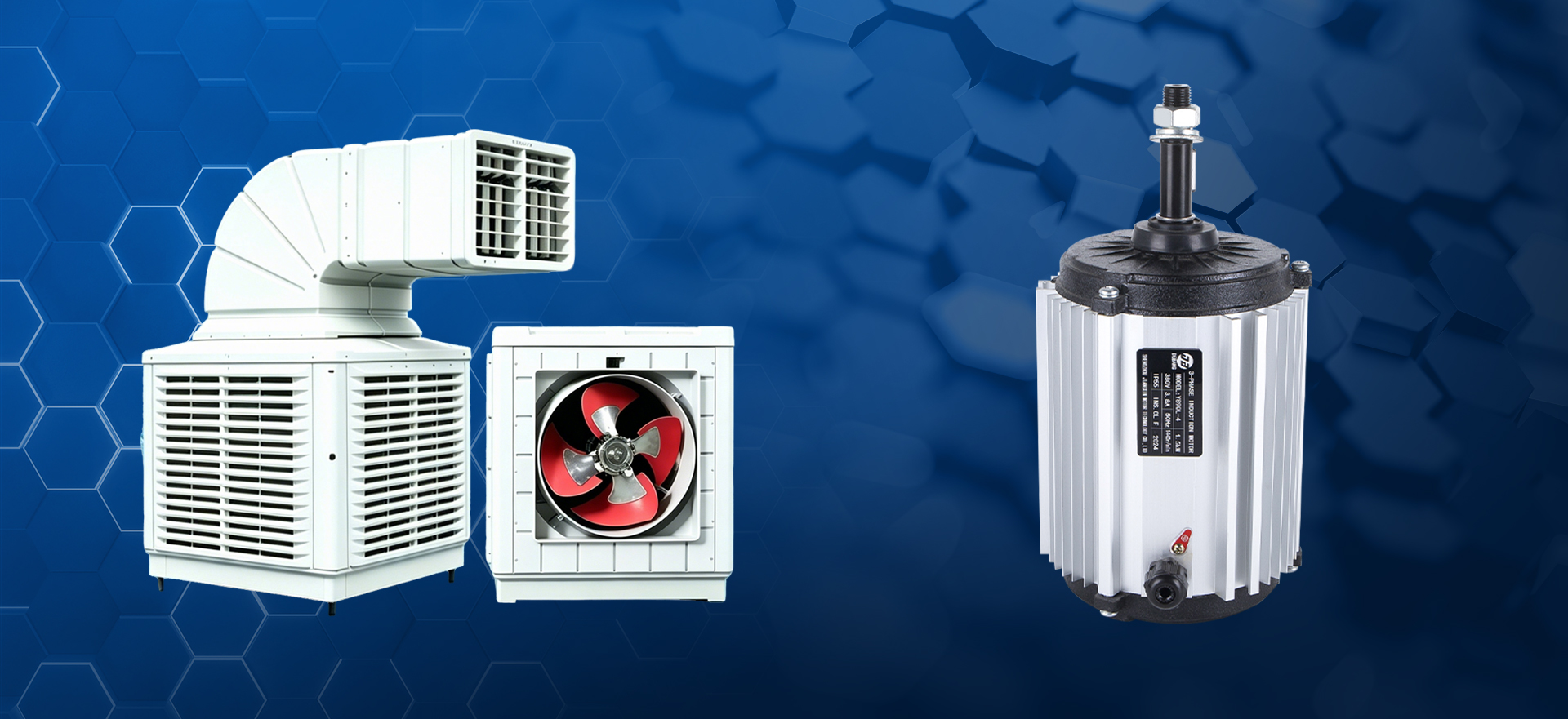
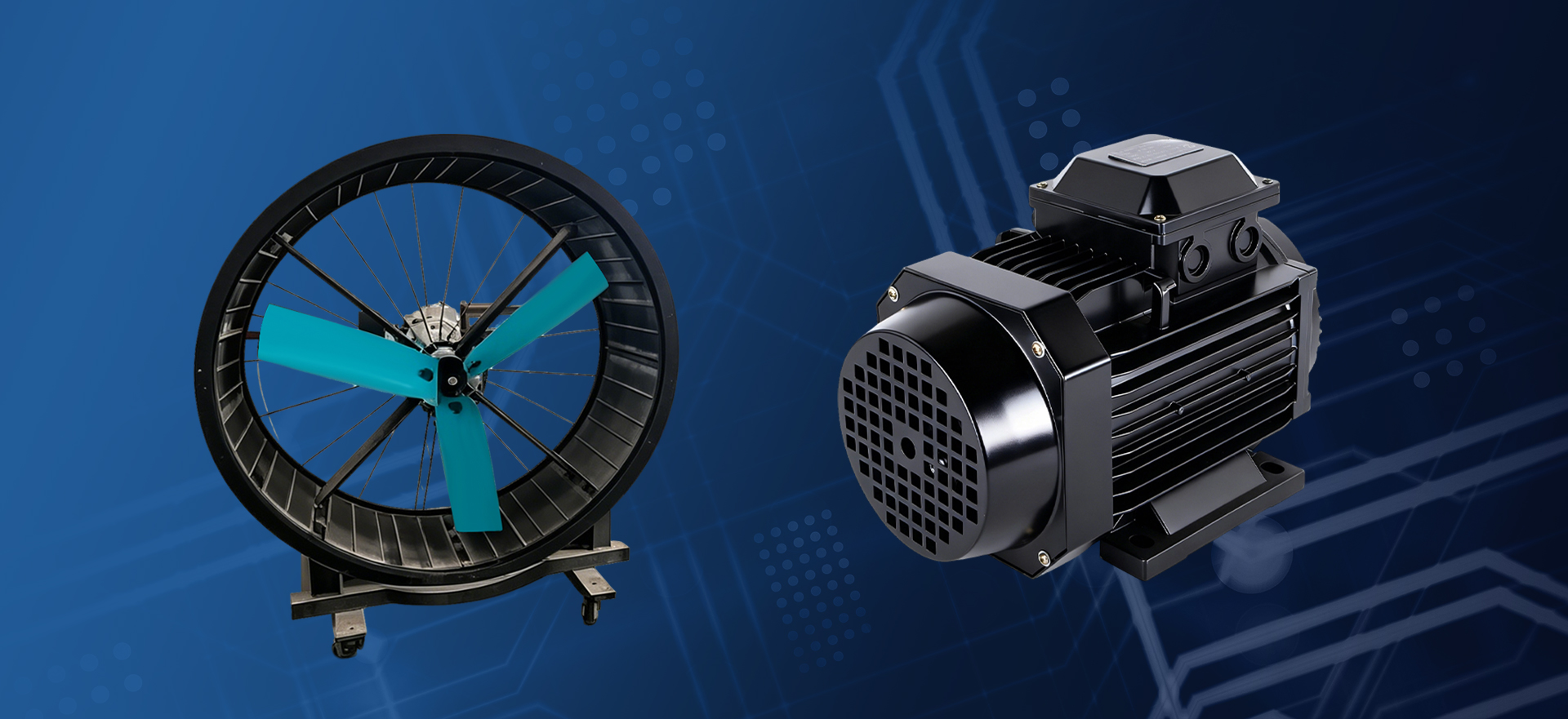
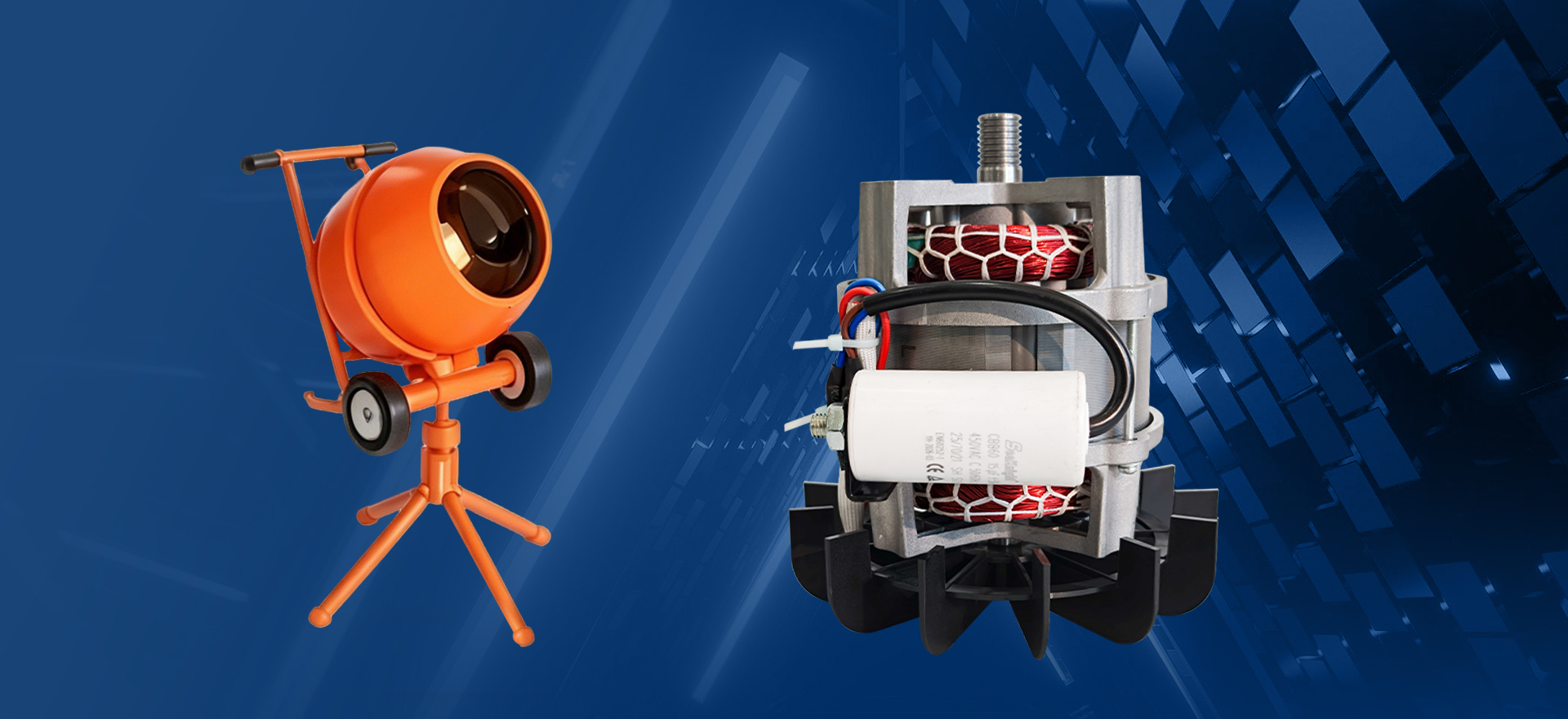
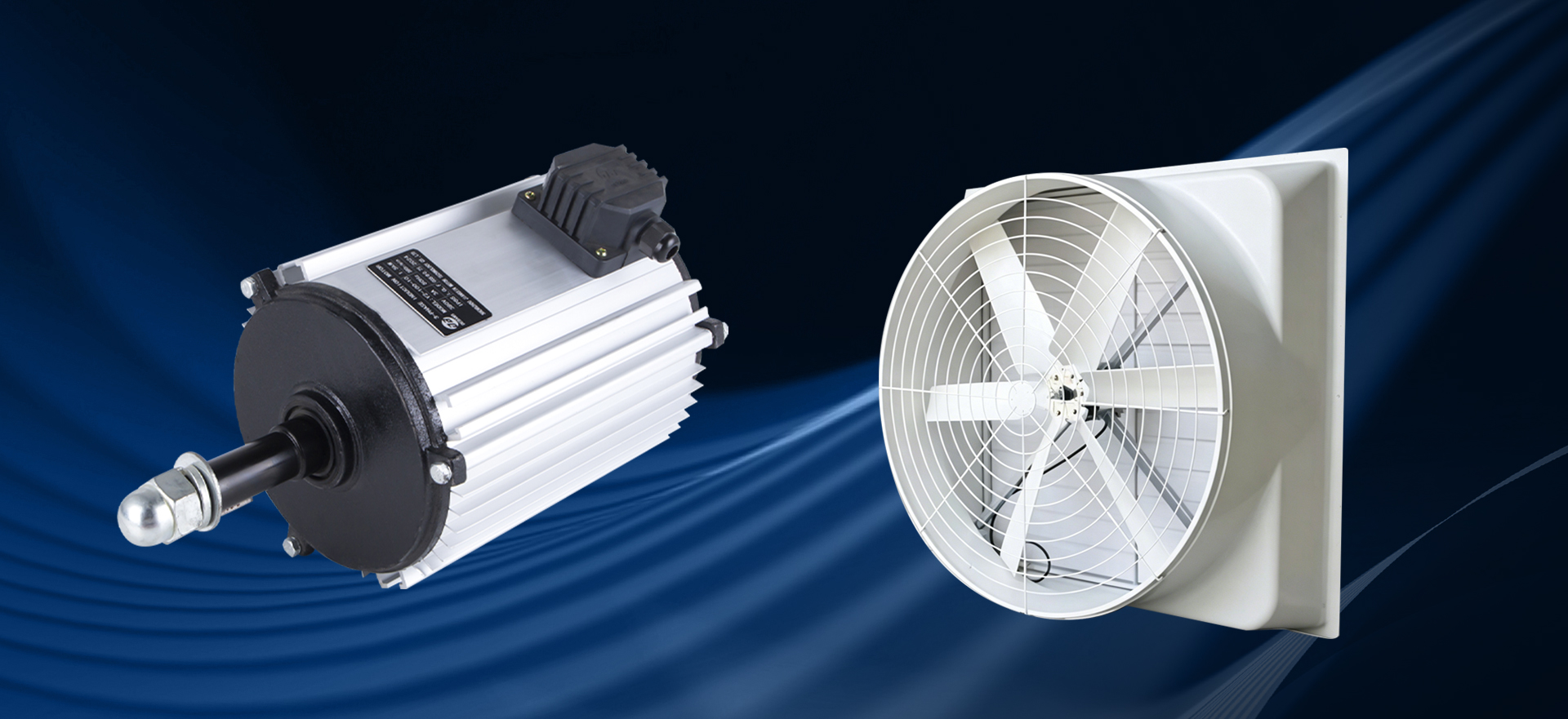
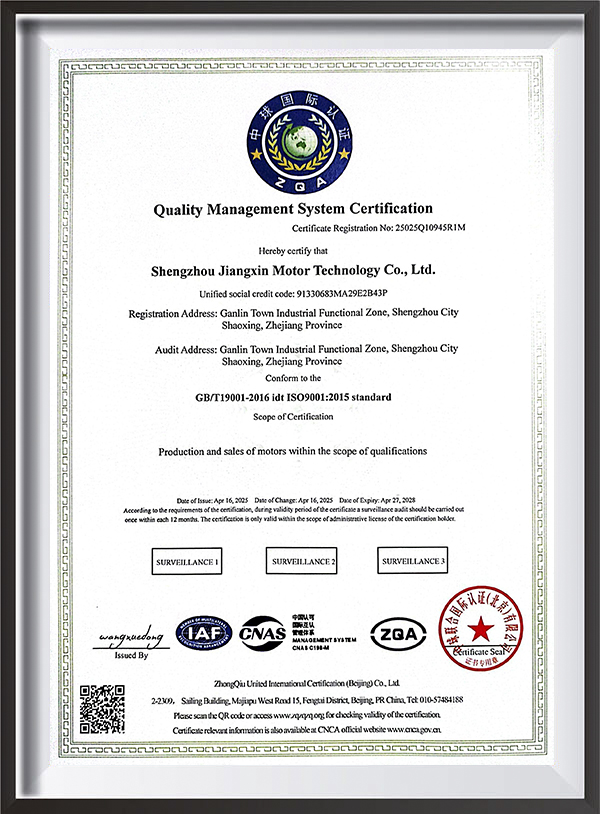
Fan motors are a well-established part of our product range, produced on the same modern, energy-saving motor lines at our facility in Shengzhou, Zhejiang, within the Yangtze River Delta industrial cluster, that Shengzhou Jiangxin Motor Technology Co., Ltd. has operated since being founded in 2017. Given how directly efficiency and noise data factor into commercial building specification, we document motor performance across a full speed range using our in-house testing instruments rather than reporting only a single rated-speed figure, and our ISO 9001 certified quality system keeps that documented performance consistent from batch to batch. High-precision winding and EC control-board integration are handled entirely in-house.
- In-house EC control-board integration and winding
- Acoustic testing across the full operating speed range for commercial specification use
- Efficiency curve documentation to support energy code compliance
- Dynamic balancing on every unit to reduce vibration transmission
Customization
Commercial ventilation projects typically require configuring the motor's control interface to a specific building management protocol, which is a routine part of the customized motor work we do alongside our standard catalog products. Export experience across more than 60 countries has given us exposure to a wide range of regional energy codes and building automation standards, and our CE certification supports deployment into markets with defined equipment efficiency and safety requirements. Multiple national utility model patents covering structural and performance improvements are applied where relevant to this product category as well.
- Control interface configured for your building management system protocol
- Airflow and static-pressure rating tuned to your AHU, ERV, or duct design
- Efficiency and noise documentation packaged to support your project's code compliance needs
- Sample development typically completed within 7-15 business days
Ordering Process
- Step 1. Share your target airflow, noise limit, and control protocol
- Step 2. Engineering proposes a motor specification and control configuration
- Step 3. Sample production and full-speed-range acoustic/efficiency testing
- Step 4. Sample approval and quotation confirmation
- Step 5. Mass production and pre-shipment inspection
Standard payment terms are T/T with a deposit before production and balance before shipment; L/C is accepted for larger orders.
About jiangxin
SHENGZHOU JIANGXIN MOTOR TECHNOLOGY CO., LTD.
Shengzhou Jiangxin Motor Technology Co., Ltd., established in 2017, is a professional manufacturer dedicated to the R&D, production and sales of high-quality AC/DC motors and micro motors. Based in Shengzhou, Zhejiang, we enjoy a convenient location and superior industrial support in the Yangtze River Delta.
As China EC Motor Ventilation Fan Manufacturers and EC Motor Ventilation Fan Factory, we own modern production facilities, advanced automated equipment and a professional R&D team, and have been recognized as a provincial-level technology enterprise. With strict quality control systems and strong innovation capabilities, we focus on producing reliable, energy-efficient and long-lasting motors.
Our main products include evaporative air cooler motors, industrial heater motors, oil pump motors and customized motors, which are widely used in environmental protection equipment, industrial heating, hydraulic systems and other fields. Our products are exported to more than 60 countries and regions around the world.
Adhering to the spirit of craftsmanship and customer-oriented service, we continue to provide stable products and professional solutions. We are committed to becoming a trusted partner in the global motor industry and creating long-term value for customers.
Certificate Of Honor
View More Certificates
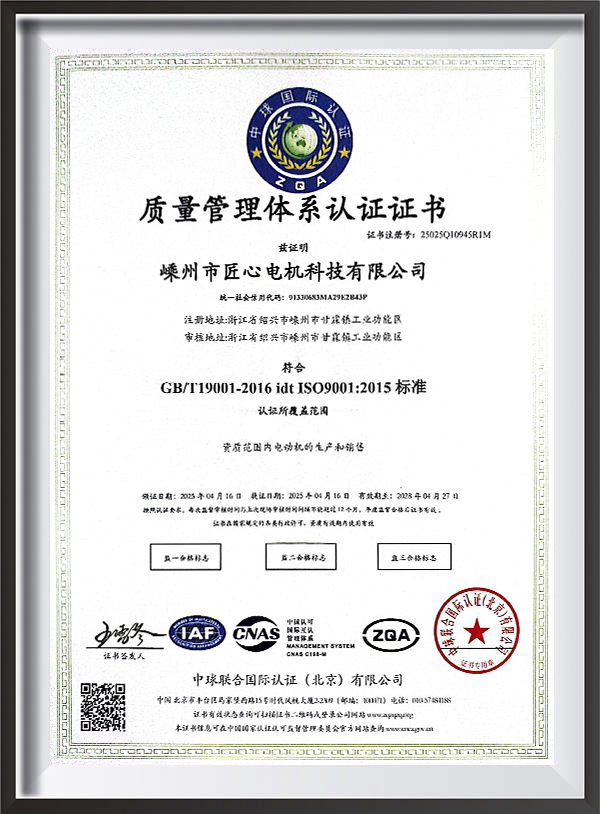
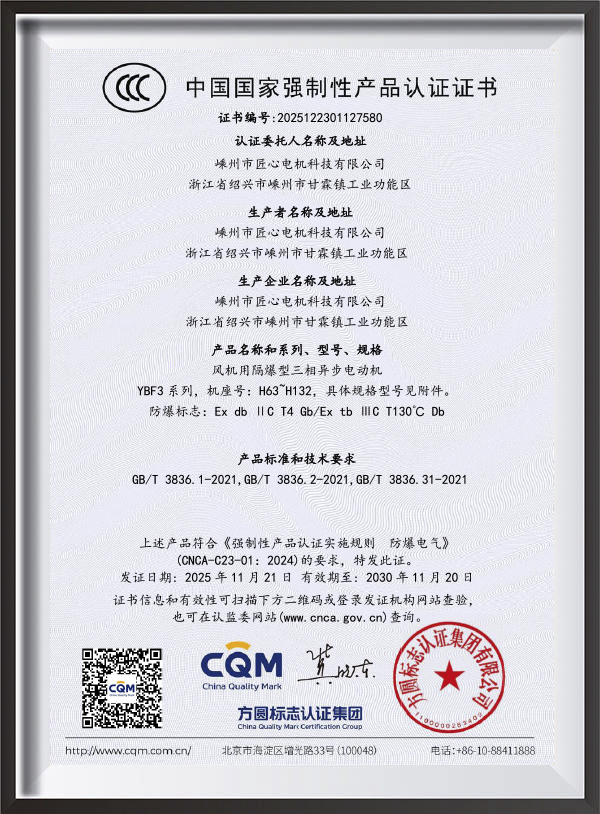
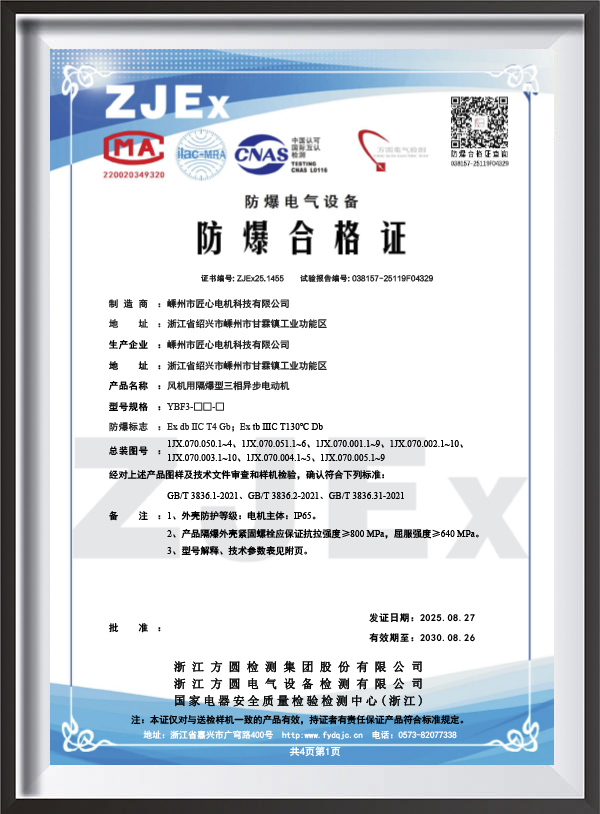
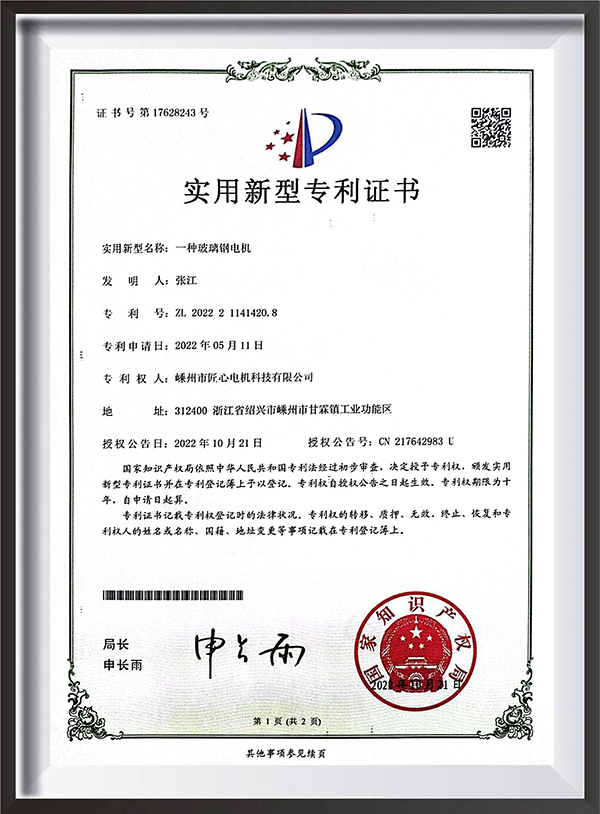
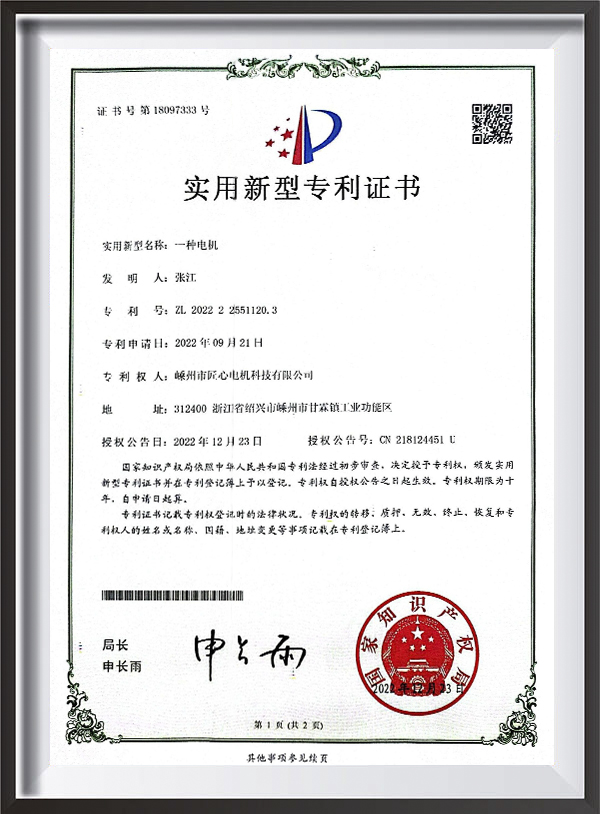
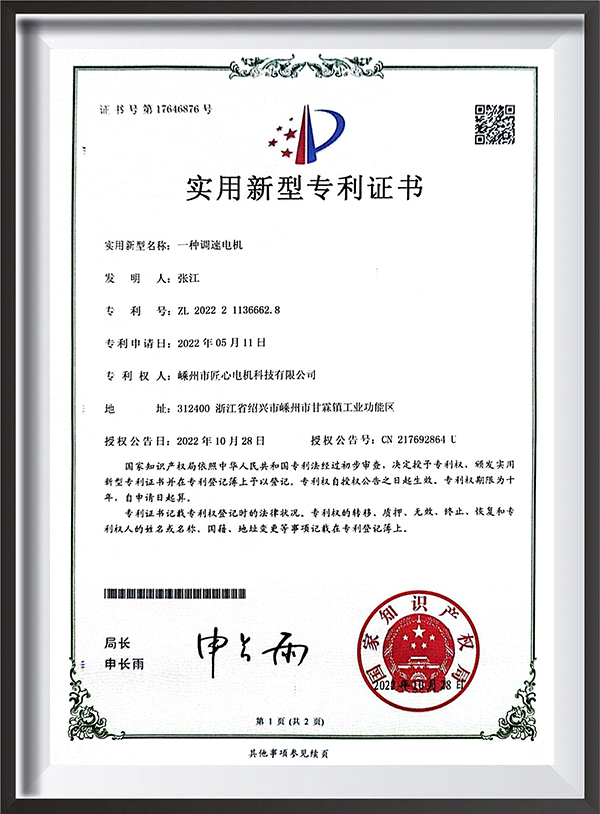
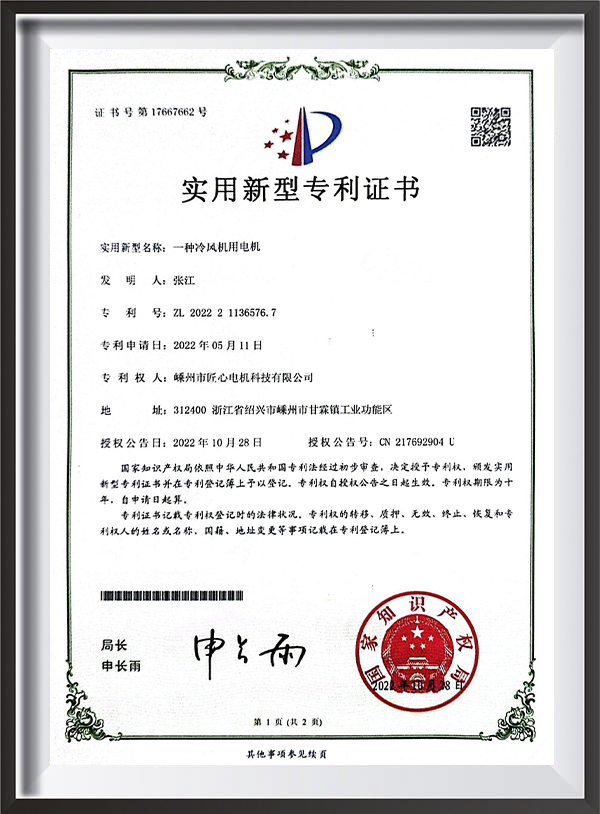
Jiangxin Motor holds CNIPA utility model patents for structural and performance improvements in micro, fan, and AC motors, showcasing our energy-saving expertise and commitment to reliable, high-efficiency solutions.
Message Feedback
Request a Quote
Tell us your requirements and our engineering team will get back to you.