


 English
 русский
 Español
 عربى
عربىHeater Blower Motor Replacement
-- Steady & Reliable Manufacturer --
Industrial heater equipment - duct heaters, process air heaters, and heat-gun style units used in manufacturing and drying applications - depends on a blower motor to push air across a heating element and deliver it where the process needs it. That motor sits closer to sustained heat than almost any other blower application, and the operating environment it deals with is a meaningful part of why heater blower motors tend to wear differently than blower motors used in general ventilation.
Why Heater Blower Motors Wear Faster Than General Ventilation Motors
Sustained heat exposure is the defining stress factor in this category. Even where the motor itself is positioned outside the direct heating element's airflow path, the ambient temperature around a heater assembly runs consistently higher than in a standard ventilation installation, which accelerates insulation aging in the windings over time. A motor with an insulation class suited to a cooler general-purpose application will typically show reduced service life once installed in genuinely hot process-heating equipment, even if it physically fits and runs correctly at first.
Cycling behavior adds a second layer of stress. Many industrial heaters cycle on and off repeatedly to hold a process temperature, and each cycle takes the motor and its surrounding components through a heating and cooling swing that stationary continuous-duty ventilation motors rarely experience. Over months of operation, this repeated thermal cycling can loosen connections and stress winding insulation in ways that a single high-temperature rating alone does not fully capture.
Matching a Replacement to Your Heating Equipment's Airflow and Temperature Rating
Airflow output needs to be evaluated at the heater's actual operating temperature, not just at room temperature, since air density - and therefore the mass of air a blower is actually moving - changes as temperature rises. A motor and blower wheel combination that delivers adequate airflow when cold can fall short once the heater reaches operating temperature, which is a common reason a seemingly correct replacement underperforms in the field.
Mounting position and orientation matter more in heater assemblies than in many other blower categories, since the motor is often positioned specifically to stay outside the hottest part of the airflow path. Confirming the exact mounting location and orientation from the original equipment, rather than assuming a generic housing fit, avoids a replacement that runs hotter than the original design intended.
Lead wire and connector insulation are worth checking alongside the motor itself, since wiring rated for a cooler general-purpose application can degrade faster than the motor windings when routed through the same high-temperature zone. A replacement project that upgrades the motor but reuses degraded original wiring can end up with the wiring as the next failure point, which is why it is worth reviewing the full electrical path during a heater blower replacement rather than treating the motor as the only component in question.
Industries That Depend on Reliable Heater Blower Performance
Industrial drying and curing equipment relies on consistent heated airflow to maintain process quality, where a weakening blower motor shows up as longer cycle times before it shows up as an outright failure.
Process heating and duct heater systems integrate blower motors as a core functional component rather than a peripheral part, making motor reliability directly tied to overall equipment uptime.
Heater equipment OEMs building products around a duct or process heater need blower motors that are genuinely rated and tested for sustained heat exposure, not a general ventilation motor relabeled for a hotter application it was not originally built to handle.
For distributors and OEMs sourcing heater blower motors at volume, documentation of the actual temperature rating and cycling test data is worth requesting directly rather than relying on a general-purpose blower listing that does not specify heat performance explicitly. A motor genuinely engineered for this category will have that data available, while a relabeled general-ventilation motor typically will not, which is itself a useful way to distinguish between suppliers during the sourcing process.
Because the operating environment inside heater equipment is meaningfully hotter and more cyclic than general ventilation use, evaluating a replacement motor against its actual temperature rating and duty cycle - rather than treating it as an interchangeable general-purpose blower motor - is what determines whether a replacement lasts through years of service or needs revisiting within a single season.


Specifications
| Parameter | Typical Range |
|---|---|
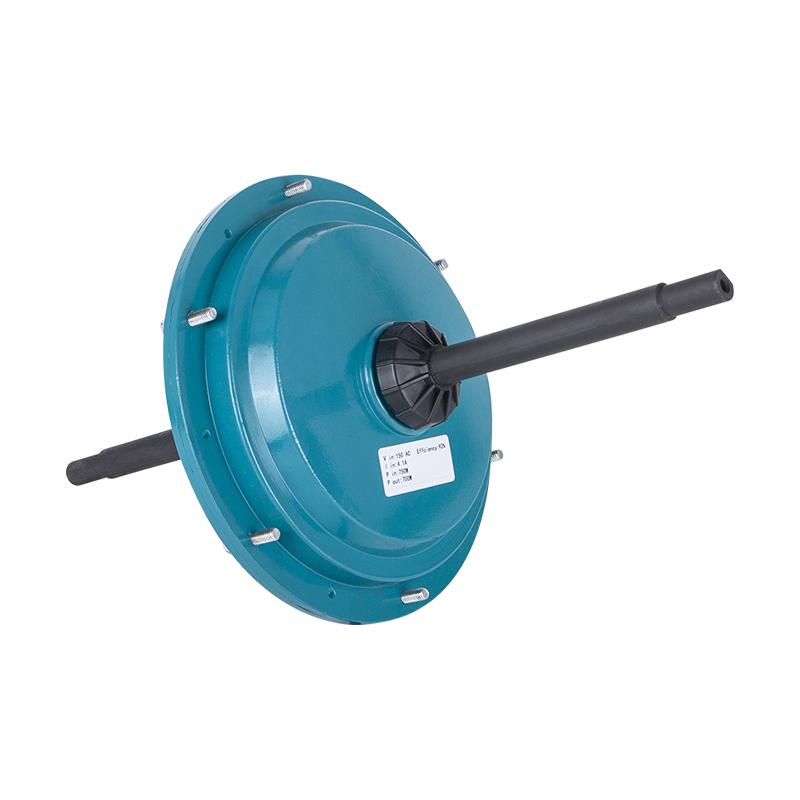
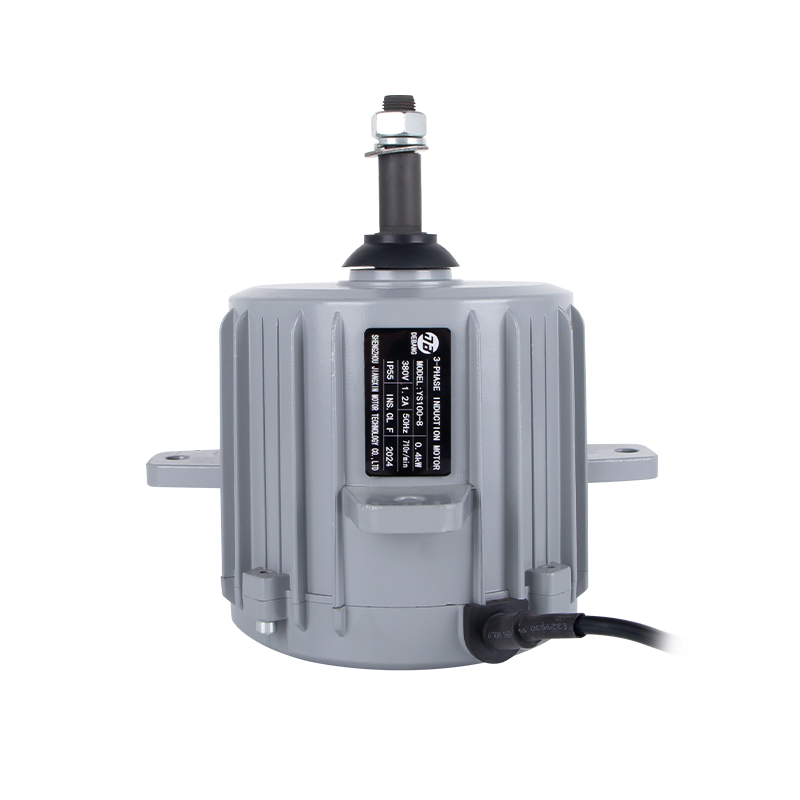
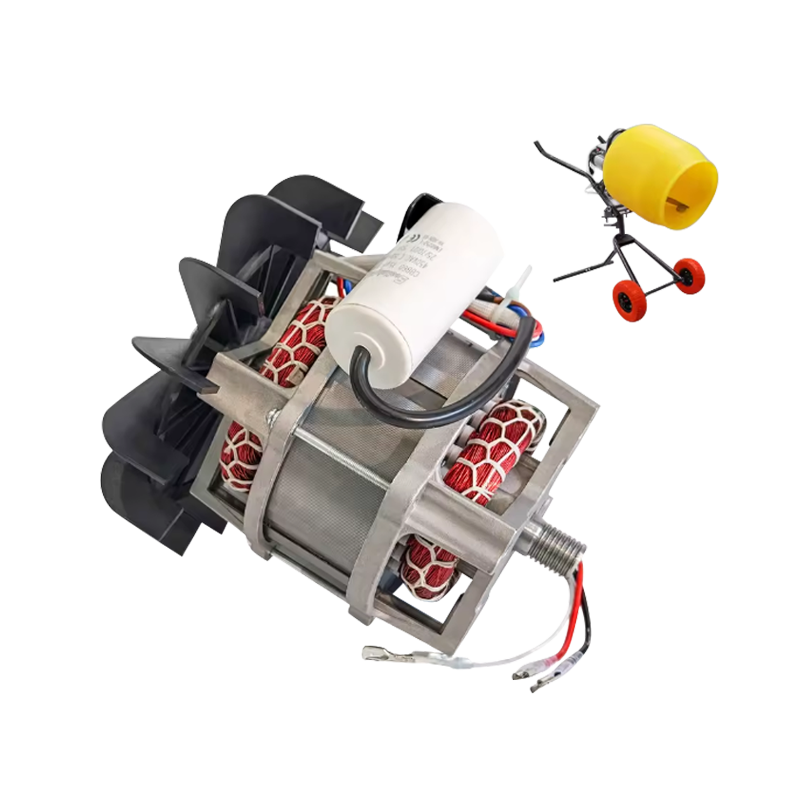
| Motor Type | AC blower motor, high-temperature duty rated |
| Insulation Class | Class F / Class H for sustained heat exposure |
| Power Output | 0.25 HP - 3 HP depending on heater size |
| Duty Cycle | Rated for repeated on/off thermal cycling |
| Mounting | Custom-matched to original heater assembly position |
| Protection Rating | IP44 / IP54 for industrial heater enclosures |
Applications
- Industrial Drying and Curing Equipment - sustained heated airflow for consistent process quality.
- Duct and Process Heaters - blower motors integrated as a core functional component of the heating system.
- Industrial Heat Guns and Air Heaters - compact motors rated for close proximity to a heating element.
- Heater Equipment OEMs - motors specified and tested for a manufacturer's own heater product line.
Manufacturing Capability
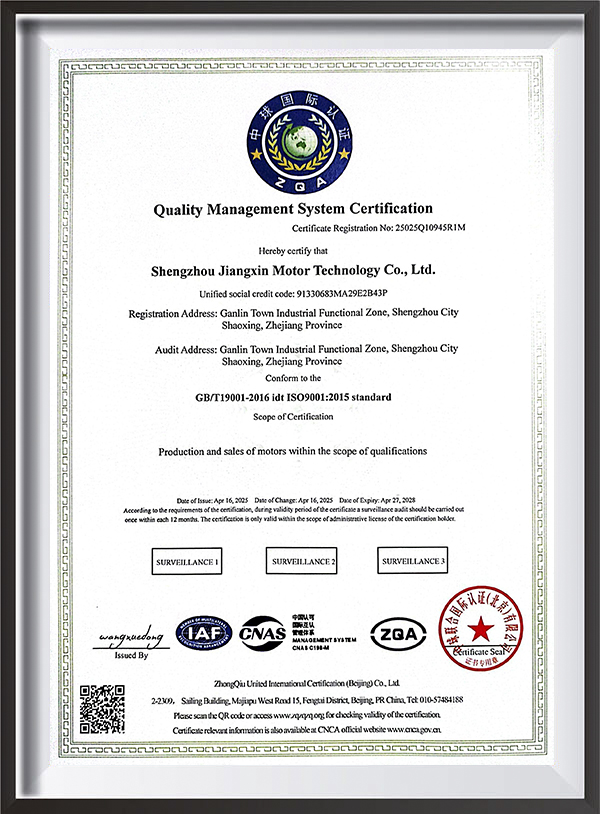
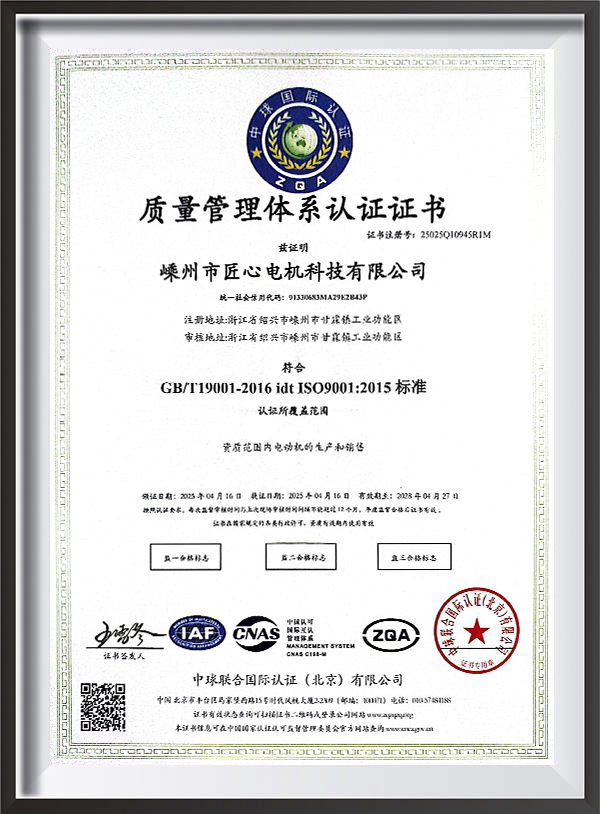
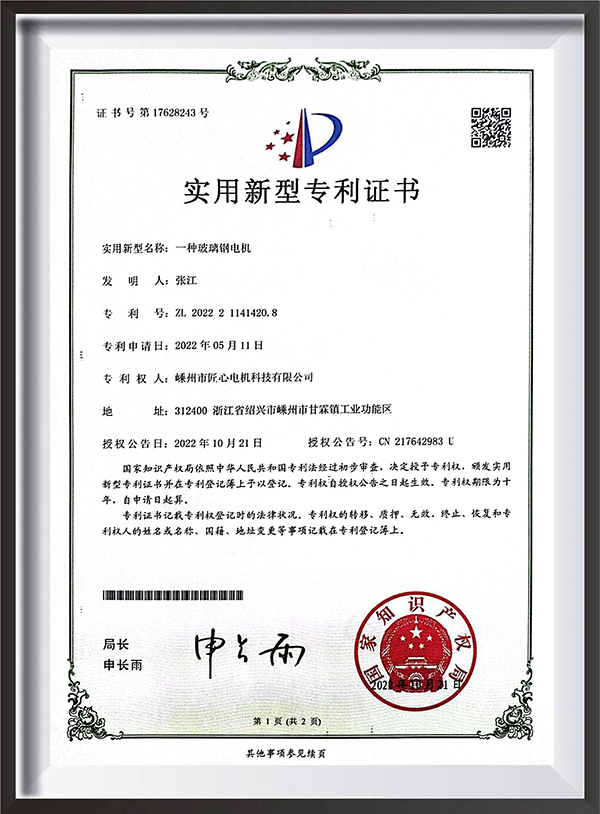
Industrial heater motors have been named among our core product lines since Shengzhou Jiangxin Motor Technology Co., Ltd. was established in 2017, and heater blower motors draw directly on that manufacturing focus. Production takes place on our own energy-saving motor lines in Shengzhou, Zhejiang, in the Yangtze River Delta industrial belt, using high-precision winding equipment and complete in-house testing instruments to verify performance before a batch ships. We hold multiple national utility model patents covering structural and performance improvements, several of which apply directly to heat-tolerant winding and housing design, and our quality management system is ISO 9001 certified to keep that performance consistent across production runs rather than only on approved samples.
- In-house winding with Class F / Class H insulation options for sustained heat exposure
- Thermal cycling tests to simulate repeated heater on/off operation
- Airflow testing at elevated temperature, not only at ambient conditions
- Dimensional inspection against your reference sample on every batch
Customization
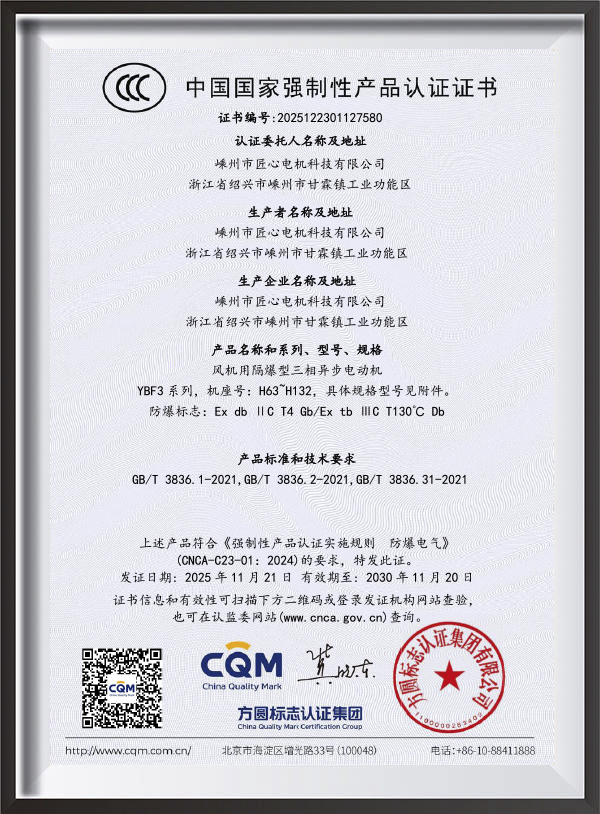
Customized motors sit alongside our standard catalog lines as a stated part of our product range, and heater blower replacement projects typically draw on that capability from the first inquiry, since most orders start from an existing heater assembly rather than a generic stock unit. Our products carry CE and 3C certification and are exported to more than 60 countries across Europe, Southeast Asia, and beyond, so a replacement or OEM heater blower motor can be configured to your destination market's voltage and frequency standard as well as matched physically to your equipment. Recognition as a provincial-level technology enterprise reflects the ongoing R&D investment behind this kind of heat-tolerant motor customization work.
- Insulation class and thermal protection matched to your heater's operating temperature
- Mounting position and orientation matched to your original equipment
- Voltage and frequency configured for your destination market
- Sample development typically completed within 7-15 business days
Ordering Process
- Step 1. Share your heater's operating temperature, airflow, and motor sample or nameplate
- Step 2. We confirm insulation class and dimensional match
- Step 3. Sample production and elevated-temperature airflow testing
- Step 4. Sample approval and quotation confirmation
- Step 5. Mass production and pre-shipment inspection
Standard payment terms are T/T with a deposit before production and balance before shipment; L/C is accepted for larger orders.
About jiangxin
SHENGZHOU JIANGXIN MOTOR TECHNOLOGY CO., LTD.
Shengzhou Jiangxin Motor Technology Co., Ltd., established in 2017, is a professional manufacturer dedicated to the R&D, production and sales of high-quality AC/DC motors and micro motors. Based in Shengzhou, Zhejiang, we enjoy a convenient location and superior industrial support in the Yangtze River Delta.
As China Heater Blower Motor Replacement Manufacturers and Heater Blower Motor Replacement Factory, we own modern production facilities, advanced automated equipment and a professional R&D team, and have been recognized as a provincial-level technology enterprise. With strict quality control systems and strong innovation capabilities, we focus on producing reliable, energy-efficient and long-lasting motors.
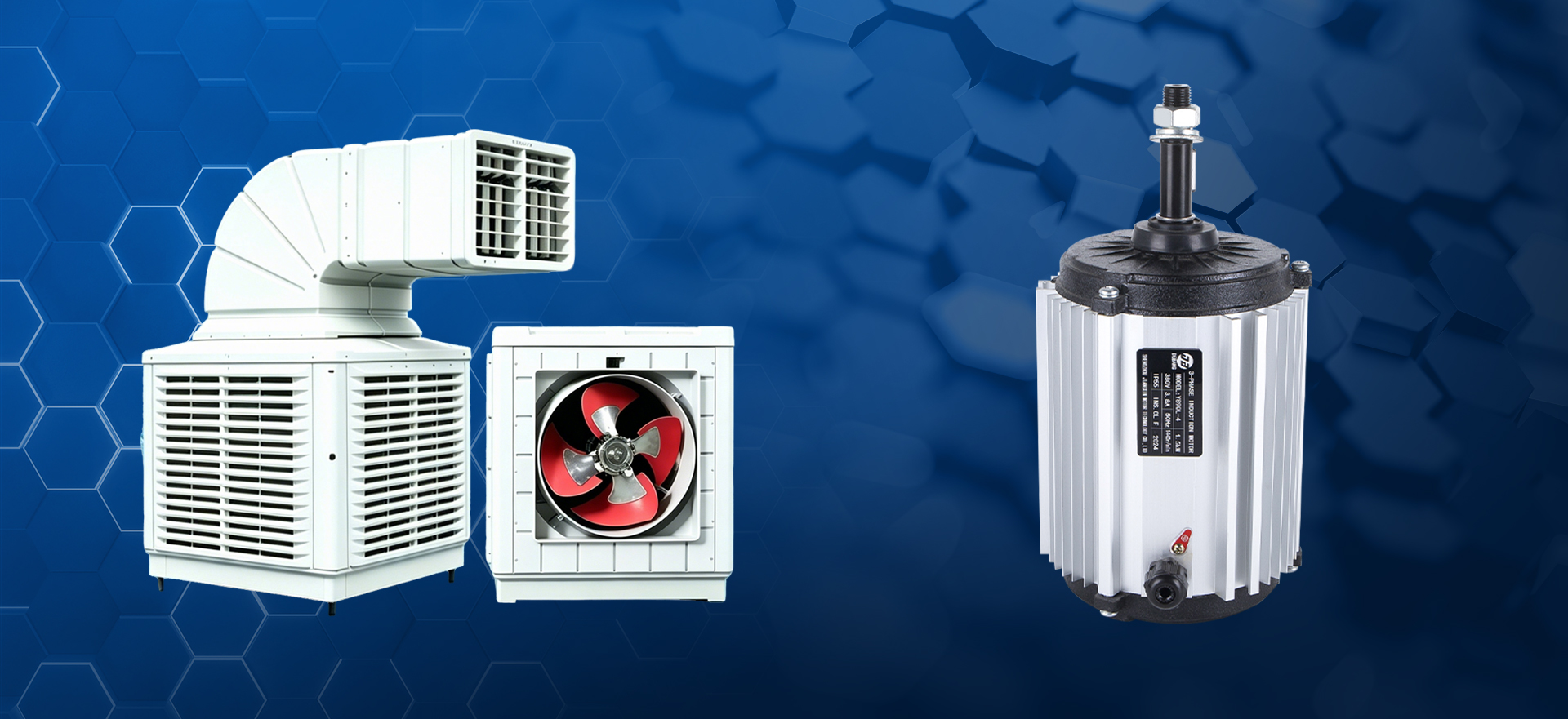
Our main products include evaporative air cooler motors, industrial heater motors, oil pump motors and customized motors, which are widely used in environmental protection equipment, industrial heating, hydraulic systems and other fields. Our products are exported to more than 60 countries and regions around the world.
Adhering to the spirit of craftsmanship and customer-oriented service, we continue to provide stable products and professional solutions. We are committed to becoming a trusted partner in the global motor industry and creating long-term value for customers.
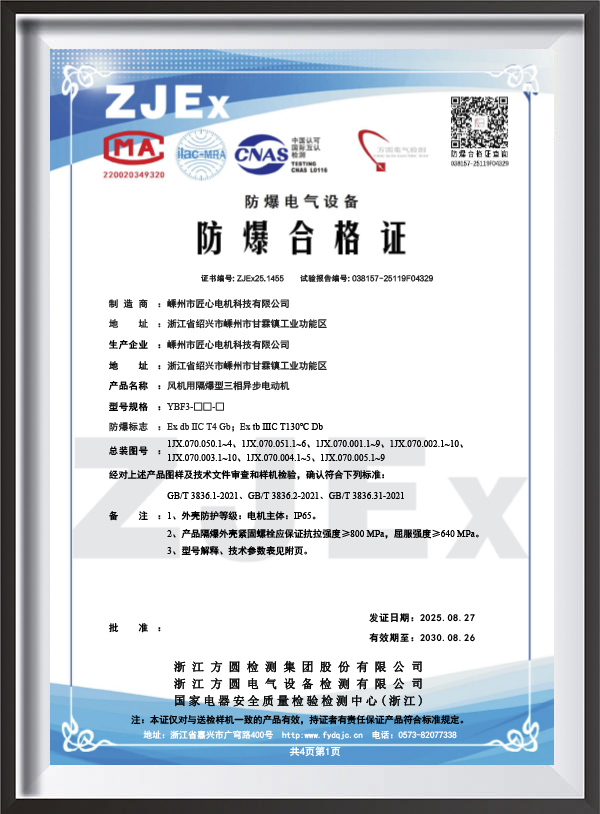
Certificate Of Honor
View More Certificates
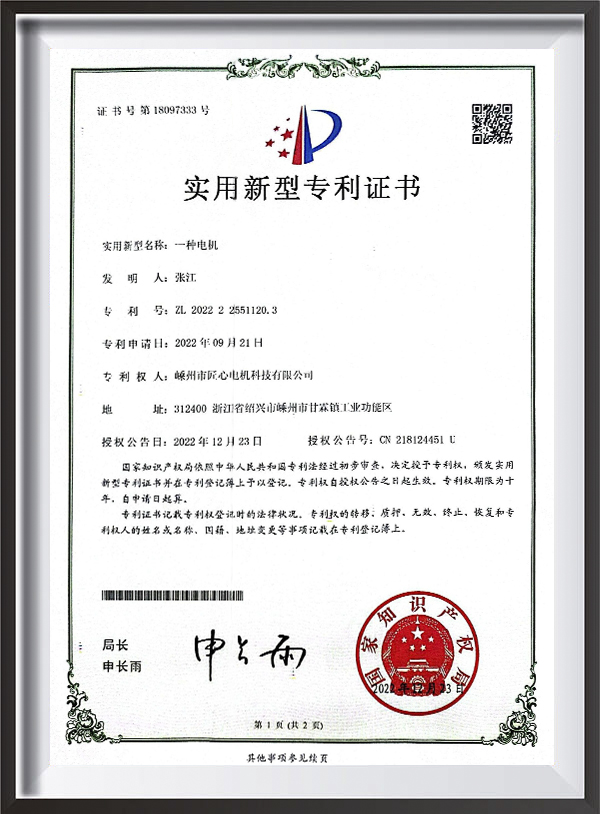
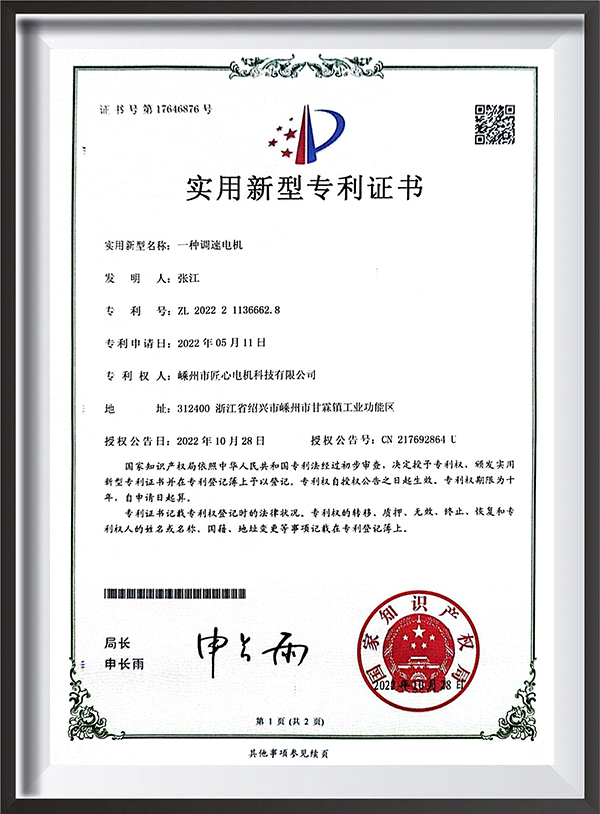
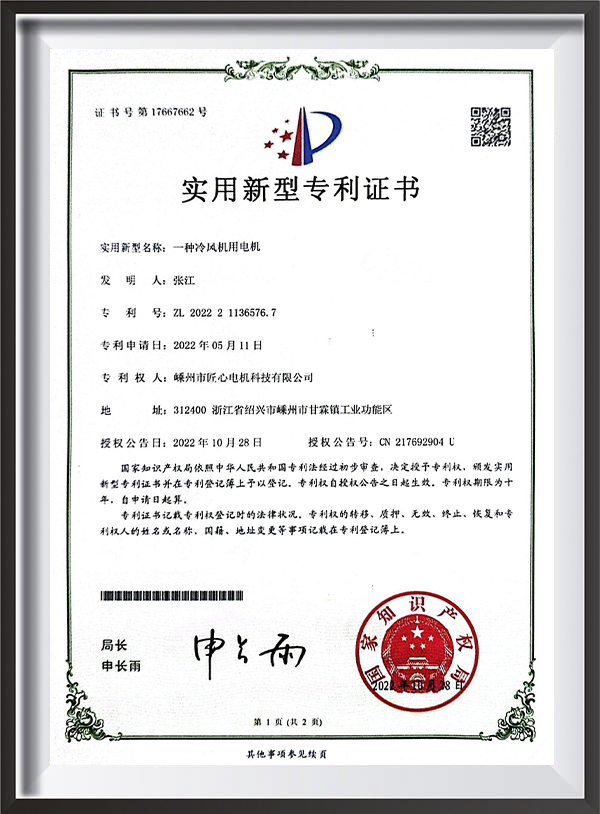
Jiangxin Motor holds CNIPA utility model patents for structural and performance improvements in micro, fan, and AC motors, showcasing our energy-saving expertise and commitment to reliable, high-efficiency solutions.
Message Feedback
Request a Quote
Tell us your requirements and our engineering team will get back to you.