


 English
 русский
 Español
 عربى
عربى


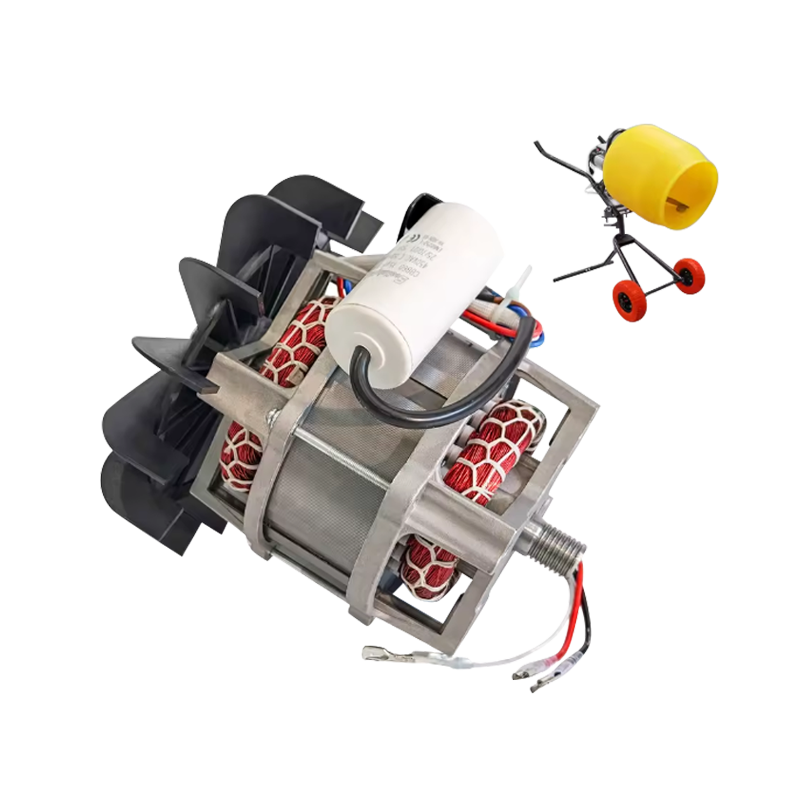
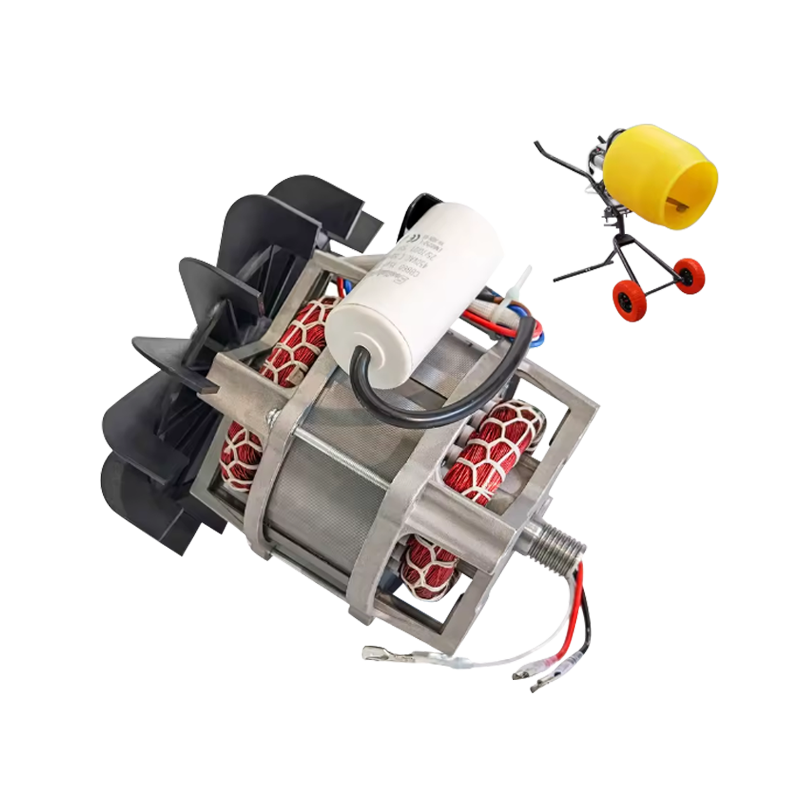
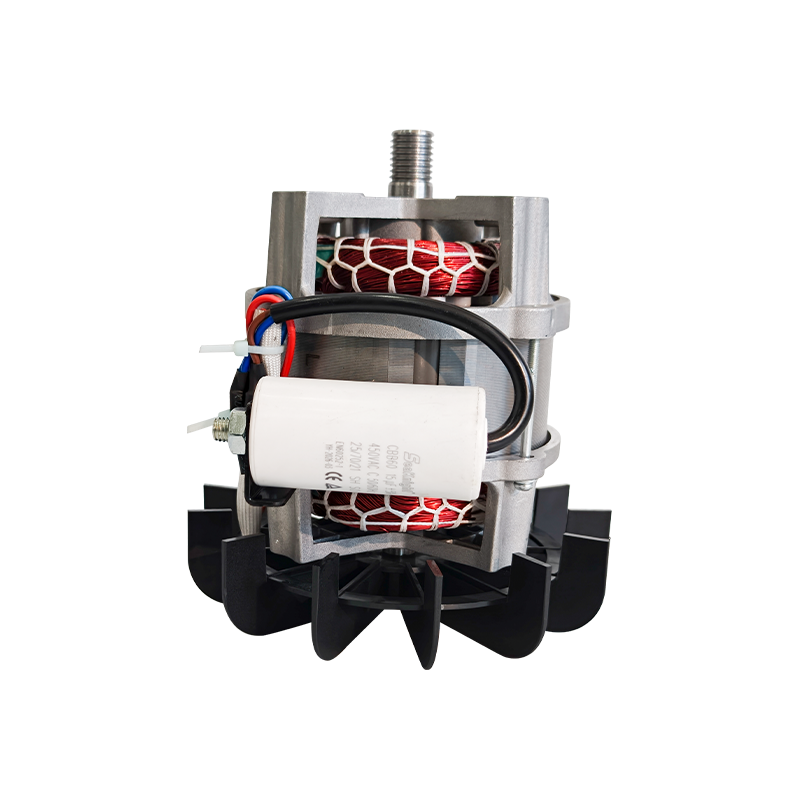
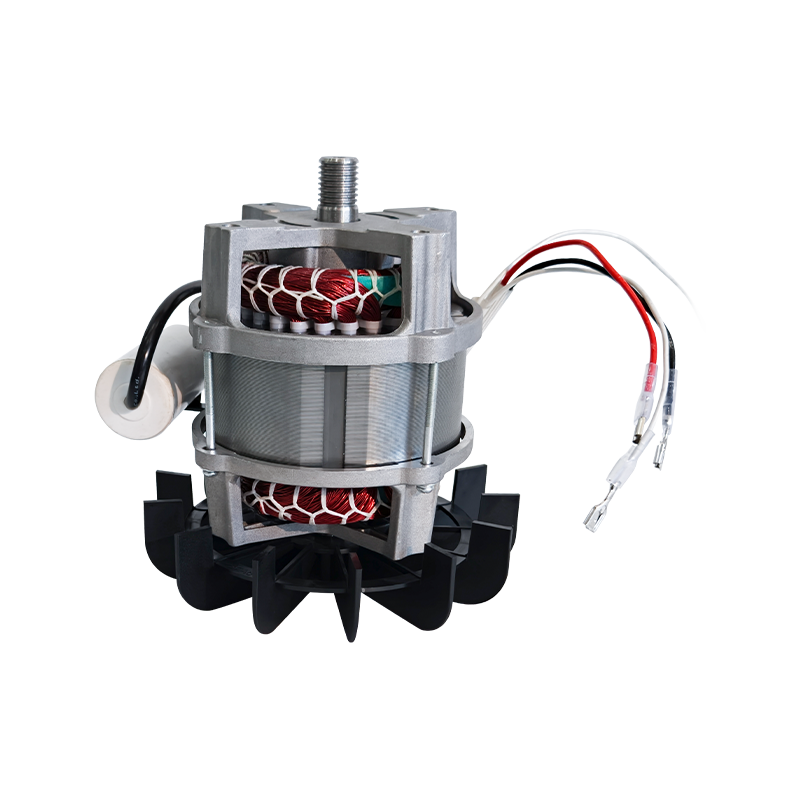
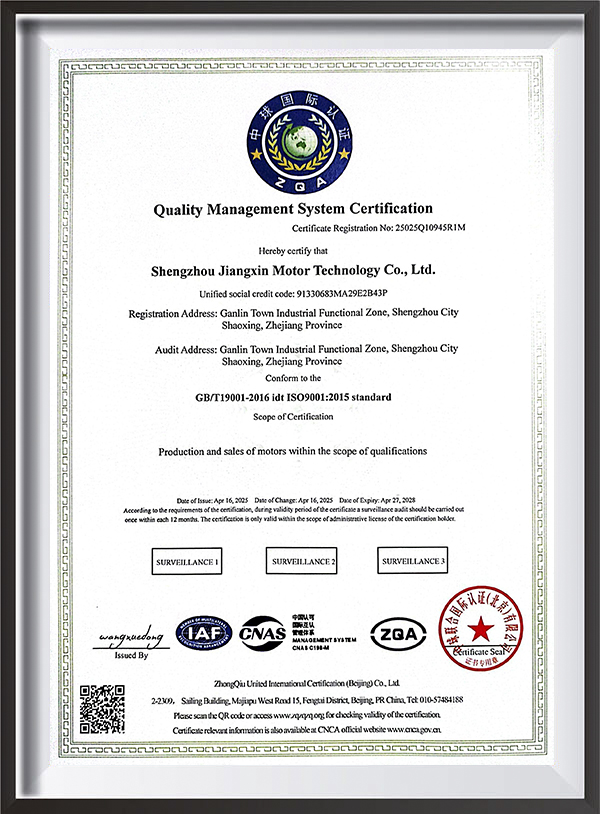
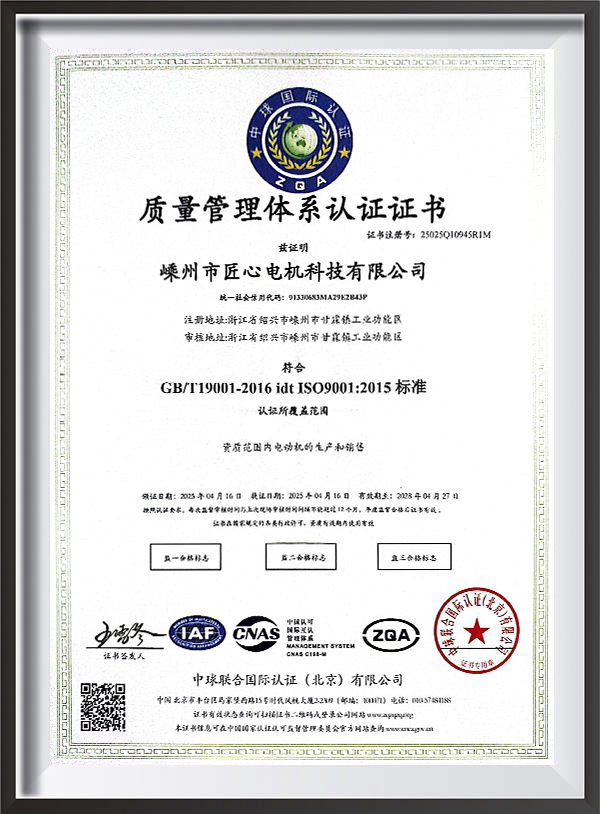
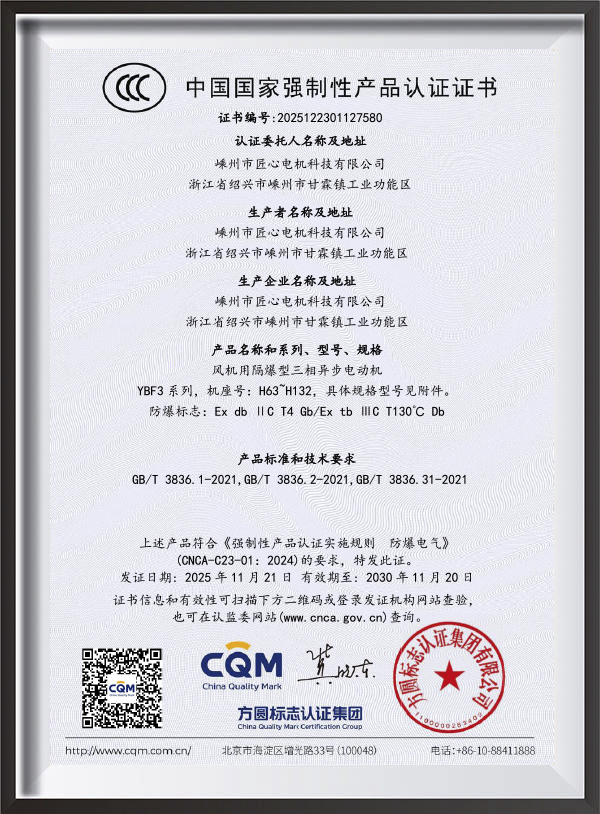
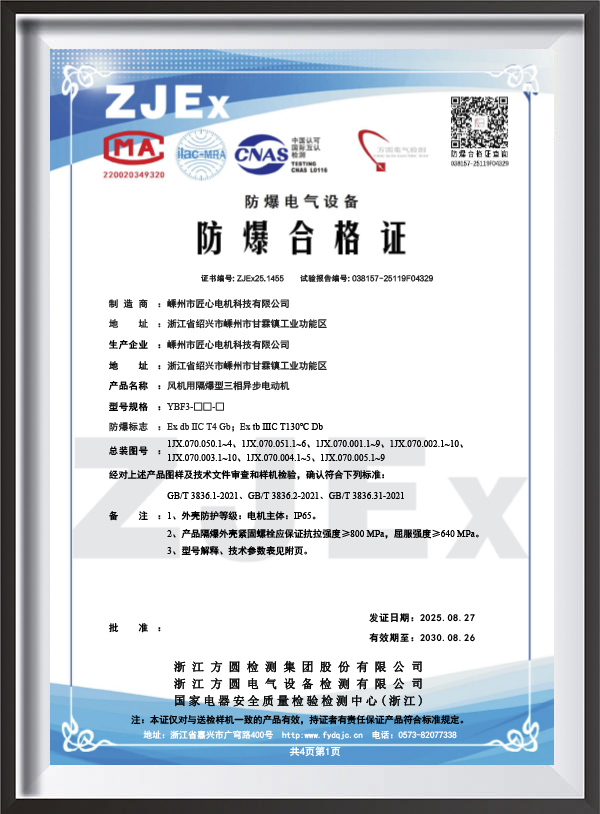
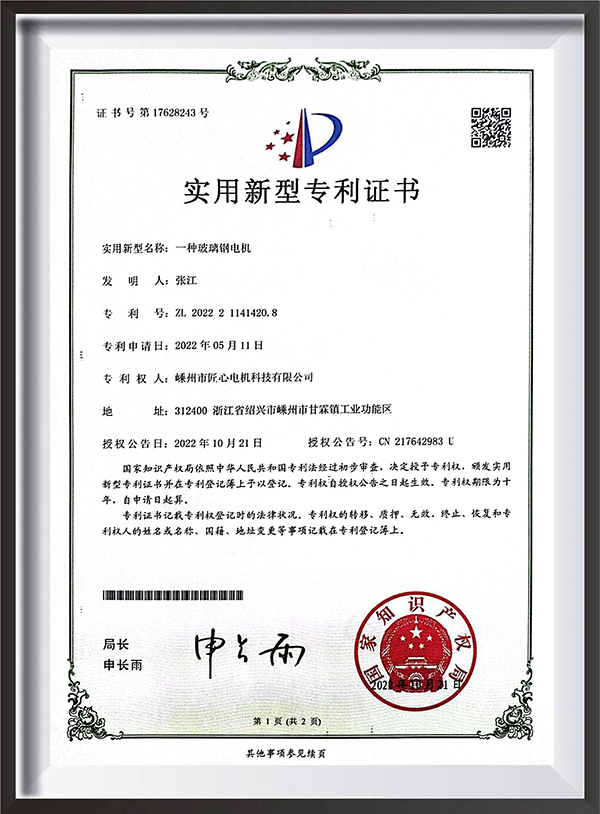
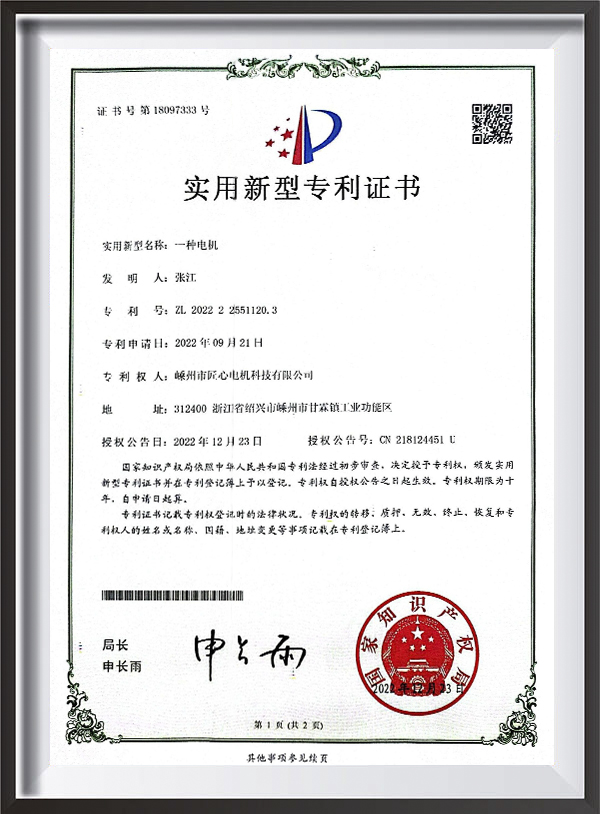
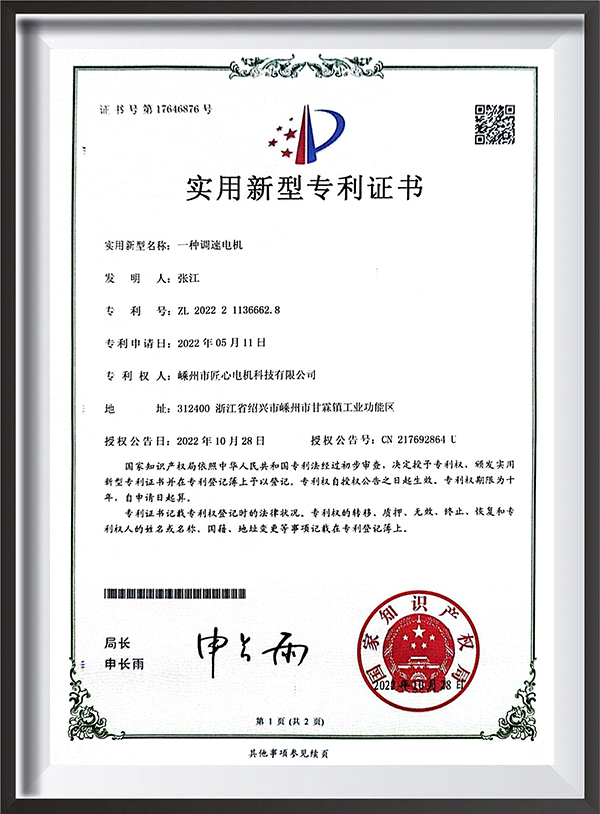
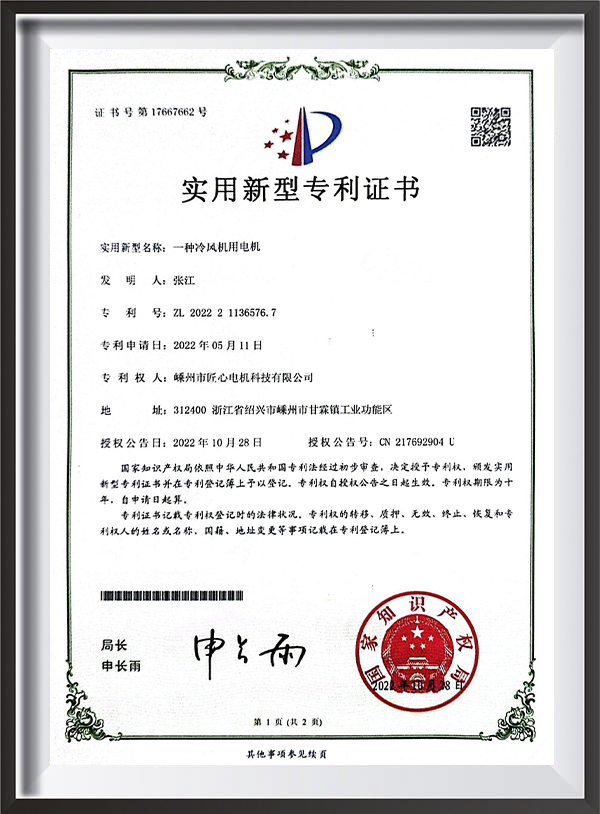
How to choose a reliable Concrete Mixer Motor Factory or Manufacturer for Mini Concrete Mixer Motor and Cement Mixer applications?
Understanding Application Demands in Concrete Mixing Systems
Selecting a concrete mixer motor requires a clear understanding of how the motor interacts with the mechanical load of the mixing system. In cement mixing applications, the motor is exposed to continuous torque fluctuations caused by changing material density, moisture content, and aggregate size. These variations make it necessary for the motor to maintain stable output under non-uniform load conditions. For Mini Concrete Mixer Motor and Mini Cement Mixer Motor applications, space constraints also influence design requirements, especially in compact construction equipment where torque density and installation flexibility become critical factors. In practical production environments, Shengzhou Jiangxin Motor Technology Co., Ltd. considers these application differences when developing motor solutions for different mixing capacities.
Evaluating Concrete Mixer Motor Factory Capability and Production Stability
A reliable concrete mixer motor factory should demonstrate consistent production capability supported by structured manufacturing processes, testing systems, and material control. This includes stator winding precision, rotor balancing, and assembly consistency across different batches. Stability in production ensures that performance deviation between units remains controlled, which is important for equipment manufacturers integrating motors into larger mixing systems. Factories with in-house testing capability can simulate load conditions similar to real cement mixing environments, helping to identify potential performance variations before delivery. Shengzhou Jiangxin Motor Technology Co., Ltd. operates with integrated manufacturing processes that support evaluation from material selection to final motor testing.
Motor Torque Characteristics and Load Adaptation in Mixing Equipment
Concrete mixing systems require motors that can handle high starting torque and continuous load variation. Unlike constant-speed applications, cement mixers often experience sudden load changes when dry and wet materials combine unevenly. This creates demand for motors with strong low-speed torque characteristics and stable thermal performance. For Mini Concrete Mixer Motor systems, torque-to-size ratio becomes particularly important, as smaller equipment still requires sufficient force to handle dense materials. Motor manufacturers must evaluate torque curves under different load conditions to ensure compatibility with mixing drum resistance and gear reduction systems commonly used in construction equipment.
Comparison Table of Mixer Motor Selection Factors
| Selection Factor | Mini Concrete Mixer Motor | Standard Cement Mixer Motor | Industrial Mixer Motor System |
| Torque Requirement | Medium to High | High | Very High |
| Load Stability | Moderate variation | Frequent variation | Continuous heavy variation |
| Size Constraint | Compact structure required | Standard installation | No strict limitation |
| Cooling Requirement | Air-cooled preferred | Enhanced cooling needed | Industrial cooling system integration |
Material Selection and Structural Durability Considerations
In cement mixing environments, motors are exposed to dust, vibration, and occasional moisture, which can influence long-term operational stability. Material selection for housing, shaft, and bearings plays a significant role in determining durability under such conditions. Steel components with controlled heat treatment processes are commonly used to improve structural strength and reduce deformation risks under repeated load cycles. Protective sealing structures are also important to reduce dust ingress into internal components. In engineering development processes, Shengzhou Jiangxin Motor Technology Co., Ltd. applies material testing and endurance validation to ensure that motors can operate under construction site conditions without frequent maintenance interruptions.
Energy Efficiency and Continuous Operation Performance
Concrete mixer motors are often required to operate for extended periods, especially in construction sites where continuous batching is necessary. Under such conditions, energy efficiency becomes closely related to thermal stability and load matching. A motor operating outside its optimal efficiency range may experience increased temperature rise, which can affect insulation performance over time. Proper selection involves evaluating efficiency curves under real load conditions rather than relying solely on rated power values. For Mini Cement Mixer Motor applications, balancing energy consumption with torque output is particularly important due to compact design limitations and frequent portable usage scenarios.
OEM and Customization Requirements for Equipment Manufacturers
Equipment manufacturers often require customized motor configurations to match different mixer designs, including shaft diameter, mounting structure, voltage specifications, and speed ratios. A qualified Concrete Mixer Motor Manufacturer should be able to provide flexible OEM solutions that align with mechanical design requirements without affecting core performance stability. Customization also involves adapting motor characteristics to different gear reduction systems used in mixing equipment. In many cases, engineering teams collaborate with motor suppliers to optimize integration between motor output and drum rotation speed, ensuring compatibility across different machine models and market requirements.
Environmental Adaptation and Long-Term Reliability Factors
Construction environments are often unpredictable, with exposure to dust, vibration, and temperature variation. These factors influence motor lifespan and operational consistency. A reliable motor system must consider insulation protection level, bearing sealing design, and vibration resistance capability. For portable mixing systems such as Mini Concrete Mixer Motor applications, mobility adds additional stress factors due to frequent movement and repositioning. Manufacturers must evaluate performance under simulated environmental stress to ensure long-term operational stability. In production practice, Shengzhou Jiangxin Motor Technology Co., Ltd. integrates environmental testing into product validation to reduce performance risks in real construction site conditions.
FAQ
Q: How does a concrete mixer motor maintain stable torque under highly variable load conditions during mixing cycles?A: Concrete mixing involves continuous changes in load due to variations in material density, moisture, and aggregate size. A suitable motor must maintain stable torque output even when resistance fluctuates suddenly. In engineering practice, Shengzhou Jiangxin Motor Technology Co., Ltd. designs motor systems with optimized electromagnetic structures and rotor balance control to help reduce speed instability under these changing load conditions, ensuring consistent rotation performance during mixing operations.
Q: What technical factors should be evaluated when selecting a motor for mini concrete mixer applications?A: For mini concrete mixer equipment, space limitation and torque density are key considerations. The motor must provide sufficient starting torque while maintaining compact size and stable thermal behavior. In addition, compatibility with gear reduction systems and mounting structure is important. Manufacturers like Shengzhou Jiangxin Motor Technology Co., Ltd. often support customized configurations to match different mixer designs and installation requirements.
Q: Why is thermal management critical in long-hour concrete mixing operations?A: Continuous mixing generates sustained mechanical load, which leads to heat accumulation inside the motor. If temperature rises beyond a controlled range, it may affect insulation performance and reduce operational stability over time. Proper thermal design, including winding selection and heat dissipation structure, helps maintain stable operation. Motor systems developed for industrial applications are typically tested under continuous load to evaluate temperature behavior during extended running cycles.
Q: How do vibration and dust exposure in construction environments affect concrete mixer motor performance?A: Construction sites expose motors to dust, vibration, and occasional moisture, which can gradually impact bearing life and insulation performance. Without proper sealing and structural reinforcement, these factors may increase maintenance frequency. To address this, reinforced housing structures and sealed bearing systems are commonly used. In production processes, Shengzhou Jiangxin Motor Technology Co., Ltd. applies durability testing to simulate such environments and improve long-term reliability.
Q: What role does OEM customization play in integrating concrete mixer motors into different equipment designs?A: Different concrete mixer machines require variations in shaft size, mounting structure, voltage, and speed characteristics. OEM customization ensures that the motor can be integrated smoothly without redesigning the entire mechanical system. This includes adjusting torque curves, connection interfaces, and installation dimensions. Manufacturers often work closely with equipment builders to ensure motor performance aligns with specific mixing drum requirements and operational conditions.