


 English
 русский
 Español
 عربى
عربى


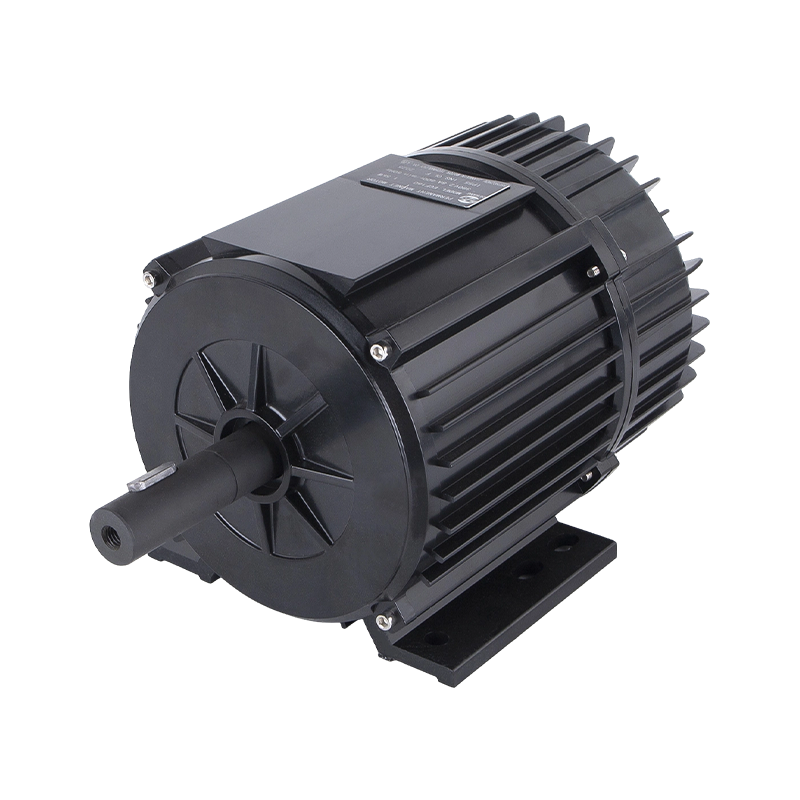
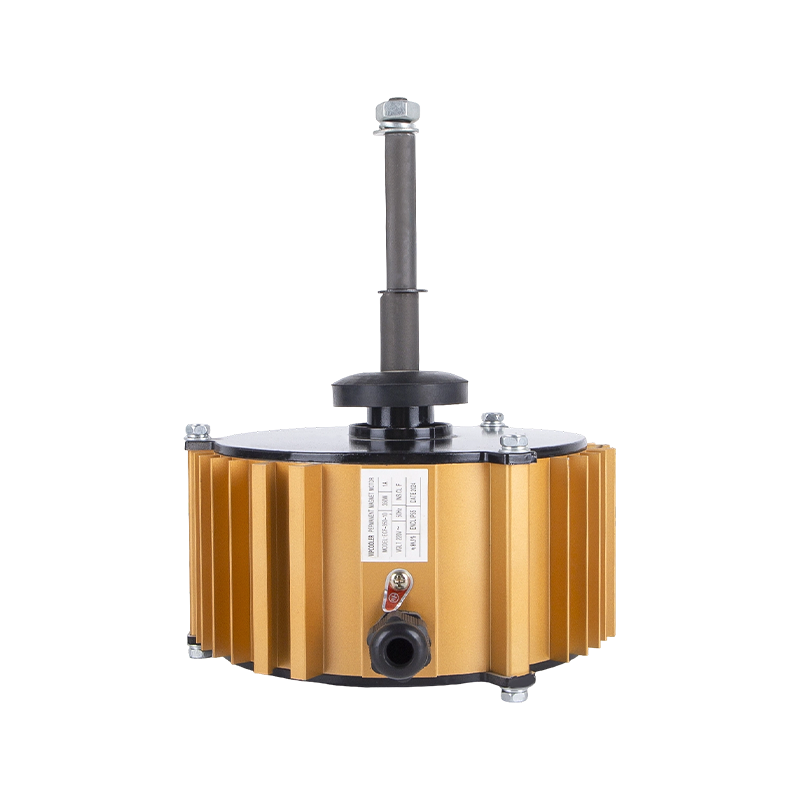
How does an EC motor maintain relatively stable efficiency output in partial load conditions within energy-optimized design?
Operating characteristics of EC motors under partial load conditions
In real HVAC and industrial ventilation systems, EC Fan Motors rarely operate at a fixed load point. Instead, they continuously adjust operating speed according to temperature control requirements, system pressure changes, and airflow resistance variations. Under partial load conditions, output power is reduced while the system still needs stable airflow delivery, which places higher requirements on efficiency control. Thanks to electronic commutation technology, the motor can dynamically adjust speed and torque output based on real-time demand, reducing unnecessary energy losses. In practical industrial applications, Shengzhou Jiangxin Motor Technology Co., Ltd. evaluates different load conditions during design validation to ensure stable performance under low-load scenarios.
Impact of control strategy on efficiency stability at partial load
The efficiency stability of EC motors is strongly influenced by the control algorithm. Through electronic controllers that adjust voltage, frequency, and commutation logic dynamically, the motor can operate closer to its optimal efficiency region across different load points. However, in low-load operation, improper control tuning may lead to excessive switching losses or unstable torque response, which affects overall efficiency performance. Therefore, system matching between fan curves and control parameters is required to ensure smooth transitions between operating points and reduce unnecessary energy consumption during variable-speed operation.
Role of motor design in low-load efficiency behavior
At partial load conditions, loss distribution changes significantly, with iron loss and switching loss becoming more dominant while copper loss decreases. To maintain relatively stable efficiency output, electromagnetic design optimization is required, including magnetic circuit refinement, winding structure adjustment, and rotor loss reduction. In addition, driver-side switching frequency and modulation strategy also influence energy efficiency behavior. Through optimized motor design, low-speed operation losses can be reduced, allowing the efficiency curve to remain relatively stable over a wider operating range.
Efficiency comparison under different load ranges
| Load Range | Operating Characteristics | Main Loss Type | Efficiency Trend |
| High Load (80%-100%) | Stable high torque output | Copper loss dominant | Relatively stable efficiency |
| Medium Load (40%-80%) | Dynamic adjustment operation | Balanced copper and iron losses | Minor efficiency fluctuation |
| Low Load (10%-40%) | Low-speed adaptive operation | Iron loss and switching loss dominant | Efficiency may decrease depending on control tuning |
System matching influence on partial load efficiency
The efficiency of EC motors is not only determined by motor design but also by system-level matching. Fan blade structure, duct resistance, and filter conditions all affect the actual load profile. If the system is not properly matched with motor characteristics, even advanced control capability may not maintain stable efficiency at partial load conditions. Therefore, airflow curve analysis and operating point matching are essential in system design. In many industrial ventilation projects, Shengzhou Jiangxin Motor Technology Co., Ltd. works closely with equipment manufacturers to align motor performance with real airflow system requirements, reducing system-level energy losses.
Thermal management and its effect on efficiency stability
At low-load operation, reduced airflow may weaken cooling performance, leading to temperature rise inside the motor. Increased temperature raises winding resistance, which affects copper loss and overall efficiency. Meanwhile, continuous operation of the driver module also generates heat accumulation. If thermal design is insufficient, efficiency fluctuations may become more noticeable during long-term operation. Therefore, thermal management design, including airflow optimization, material selection, and heat dissipation structure, plays an important role in maintaining stable efficiency across partial load conditions.
Role of OEM customization in energy efficiency optimization
Different applications require different airflow ranges and control strategies, making OEM customization an important factor in EC motor efficiency optimization. By adjusting control parameters, winding design, and mechanical structure, the motor can better match the system operating curve. For example, in industrial ventilation systems with frequent low-speed operation, optimized control logic can reduce energy losses in partial load regions. In practical manufacturing processes, Shengzhou Jiangxin Motor Technology Co., Ltd. provides customized motor solutions based on application requirements to improve overall system consistency and operational efficiency.
FAQ
Q: How does an EC Fan Motor maintain efficiency stability when operating under variable airflow resistance in HVAC and industrial ventilation systems?A: EC Fan Motors adjust speed and torque dynamically through electronic commutation, allowing them to respond to changes in airflow resistance caused by filters, ducts, and environmental conditions. This helps maintain more consistent operating efficiency across different load points. In practical engineering applications, Shengzhou Jiangxin Motor Technology Co., Ltd. evaluates motor performance under simulated airflow resistance conditions to ensure stable operation across variable system demands.
Q: What factors should be considered when matching an EC Fan Motor with different fan blade designs and airflow system structures?A: Fan blade diameter, pitch angle, and system static pressure directly influence motor load characteristics. If the motor is not properly matched with the fan system, efficiency loss or unstable airflow may occur. EC Fan Motor selection requires evaluating torque curves and airflow performance together. Manufacturers like Shengzhou Jiangxin Motor Technology Co., Ltd. support customized motor configurations to better align with different ventilation system structures.
Q: Why is thermal management important for EC Fan Motor performance in continuous operation environments?A: During long-term operation, both the motor and its electronic driver generate heat, which can affect winding resistance and control stability. If temperature rises beyond a controlled range, efficiency and reliability may be impacted. Proper thermal design, including optimized airflow paths and material selection, helps maintain stable operation in continuous-duty applications commonly seen in industrial ventilation systems.
Q: How do EC Fan Motors behave differently from traditional AC motors in part-load operating conditions?A: EC Fan Motors use electronic control systems that allow more precise speed regulation, enabling them to adjust operation closer to system demand in partial load conditions. This reduces unnecessary energy consumption compared with fixed-speed AC motors. However, performance still depends on control tuning, system matching, and operating environment conditions, which must be considered during selection and application design.
Q: What role does OEM customization play in integrating EC Fan Motors into industrial equipment?A: OEM customization allows EC Fan Motors to be adapted to specific application requirements, including voltage range, control protocol, mounting structure, and airflow performance characteristics. This ensures better compatibility with different ventilation systems and reduces integration issues during installation. In production practice, Shengzhou Jiangxin Motor Technology Co., Ltd. provides customized solutions to align motor performance with diverse industrial application needs.