


 English
 русский
 Español
 عربى
عربى


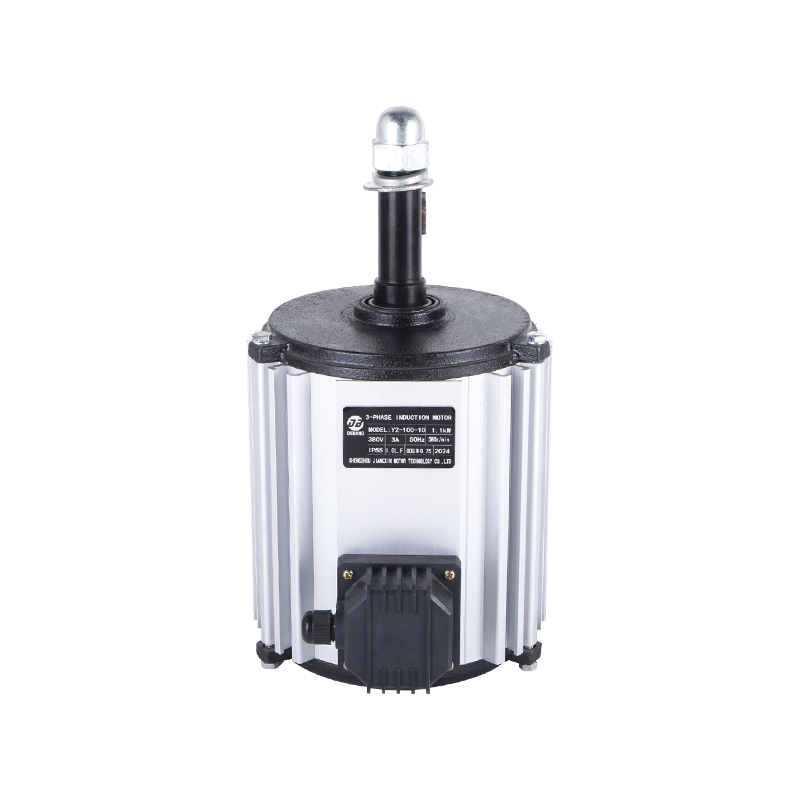
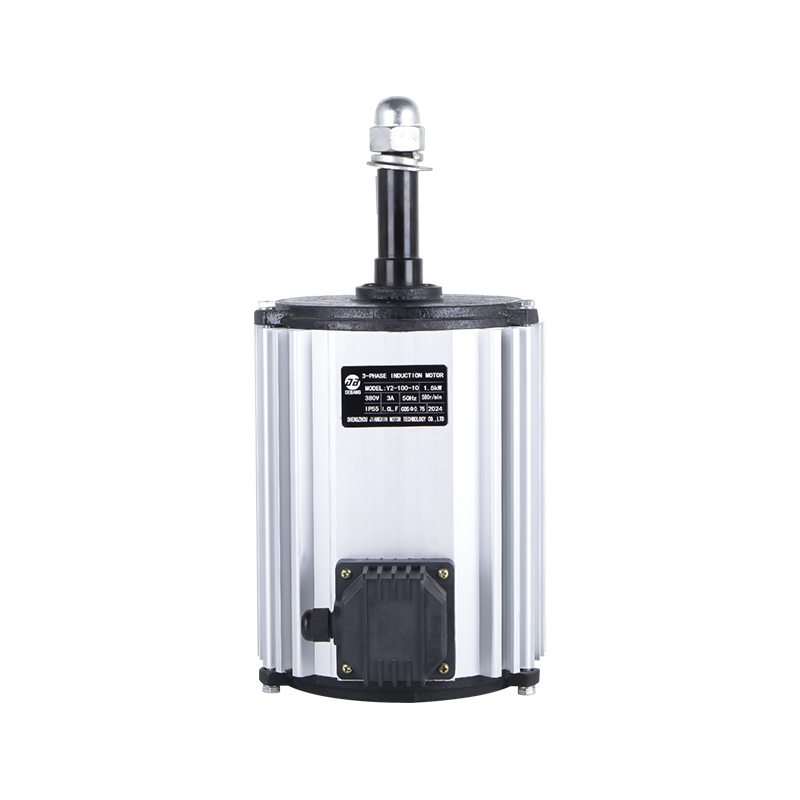
In corrosive gas environments, how do FRP fan motor systems prevent housing and shaft corrosion?
FRP fan motor systems are widely used in industrial ventilation environments where corrosive gases, high humidity, and chemically active airborne particles are continuously present. These working conditions are common in chemical processing plants, wastewater treatment systems, livestock ventilation facilities, and certain industrial exhaust applications. In such environments, the long-term interaction between corrosive media and mechanical components becomes a key factor affecting operational stability. A FRP fan motor manufacturer must therefore design systems that address both external housing resistance and internal shaft protection to maintain consistent performance over extended operating cycles.
Corrosive gas composition and long-term exposure behavior
Corrosive gases in industrial environments are often composed of ammonia, hydrogen sulfide, chlorine-based compounds, and acidic vapors. These gases may exist at varying concentrations depending on the process type and ventilation efficiency. When FRP fan motors operate continuously in such conditions, the gases are transported through airflow channels and come into contact with motor housings, mounting interfaces, and shaft entry points. Over time, even low-level exposure can accumulate chemical stress on exposed materials. A FRP fan motor factory must consider not only direct corrosion but also condensation-based chemical accumulation, which can accelerate material degradation in confined areas.
FRP housing material structure and chemical resistance behavior
The housing of FRP fan motors is typically made from fiberglass-reinforced plastic materials, which provide stable resistance against many corrosive substances. Unlike metal housings that may react with acidic or alkaline gases, FRP structures reduce direct chemical interaction. However, resistance performance depends on fiber distribution, resin composition, and curing process control. Manufacturing variations can influence micro-porosity and surface sealing quality. In industrial production environments, Shengzhou Jiangxin Motor Technology Co., Ltd. applies controlled molding and curing procedures to ensure consistent structural density and reduce potential gas penetration pathways in housing components.
Structural sealing systems and gas isolation mechanisms
Preventing corrosive gas intrusion requires more than selecting resistant materials. FRP fan motor systems rely on multi-layer sealing strategies to isolate internal components from external environments. These include shaft sealing assemblies, housing joint gaskets, and terminal box sealing structures. Each interface represents a potential leakage point where gas diffusion may occur. A FRP fan motor manufacturer typically evaluates sealing performance based on pressure differentials and airflow dynamics in the installation environment. Proper sealing reduces internal exposure and helps maintain stable winding and bearing conditions over time.
Shaft corrosion mechanisms and protective engineering design
The motor shaft is one of the most sensitive components in corrosive environments due to its continuous exposure to rotating motion and airflow contact. Corrosive gases can gradually affect surface integrity, leading to oxidation, pitting, or uneven wear patterns. These changes may influence rotational balance and increase mechanical stress during operation. To address this, shaft surfaces are often treated with anti-corrosion coatings or protective plating layers. Additionally, sealing structures at the shaft entry point help reduce direct exposure. A FRP fan motor factory evaluates shaft protection strategies based on operating speed, environmental classification, and expected service duration.
Material compatibility between FRP structures and motor components
FRP fan motor systems involve integration between fiberglass housings and metallic internal motor components. Differences in thermal expansion coefficients and mechanical stiffness must be carefully balanced to avoid stress concentration at mounting interfaces. If compatibility is not properly managed, long-term operation may lead to structural misalignment or vibration accumulation. Fiberglass fan motor Factory engineering processes typically include controlled tolerance design and reinforced mounting structures to ensure consistent alignment between motor cores and FRP housings across different operating conditions.
Environmental condensation effects and hidden corrosion pathways
In many industrial ventilation systems, temperature fluctuations create condensation inside ducts and motor surroundings. Condensed moisture can carry dissolved corrosive substances, which then accumulate on metallic surfaces. This indirect exposure pathway is often more difficult to detect than direct gas exposure. Over time, condensation-related corrosion may develop at shaft interfaces, fasteners, and internal metal surfaces. FRP fan motor systems must therefore incorporate drainage considerations and sealing designs that minimize moisture retention within critical areas.
Comparison of corrosion protection strategies in FRP fan motor systems
| Engineering Element | Function in Corrosion Prevention | Design Consideration |
| FRP Housing Structure | Reduces chemical reaction with corrosive gases | Fiber density and resin composition control |
| Shaft Surface Treatment | Prevents oxidation and surface degradation | Coating thickness and adhesion stability |
| Sealing System | Blocks gas and moisture intrusion | Compression accuracy and gasket material selection |
| Mounting Interface Design | Reduces exposure points | Structural alignment and vibration isolation |
Long-term operational stability and maintenance considerations
Even with protective structural design, long-term operation in corrosive environments requires periodic inspection and maintenance. Seal integrity, surface condition, and bearing lubrication must be evaluated at defined intervals to prevent gradual performance decline. In industrial applications where maintenance cycles are extended, motor systems must be designed with additional tolerance for environmental aging. A FRP fan motor manufacturer often simulates long-term exposure conditions during development to estimate degradation behavior and optimize maintenance planning for end users.
Airflow dynamics and corrosion distribution behavior
Airflow patterns inside ventilation systems influence how corrosive gases are distributed across motor surfaces. Areas with low airflow velocity may accumulate higher concentrations of corrosive substances, increasing localized exposure risk. Conversely, high-speed airflow may reduce surface deposition but increase mechanical stress. Understanding these dynamics is important for positioning motor components and designing protective structures. In many FRP fan motor factory applications, airflow simulation is used to evaluate exposure zones and optimize structural layout.
Thermal effects on corrosion acceleration mechanisms
Temperature plays a significant role in chemical reaction rates. Higher operating temperatures can accelerate corrosion processes, while uneven thermal distribution may create localized stress zones. In FRP fan motor systems, heat generated by windings and bearings must be managed to avoid temperature concentration near sensitive components. Thermal control strategies include optimized ventilation paths, material selection, and structural spacing. Shengzhou Jiangxin Motor Technology Co., Ltd. integrates thermal stability considerations into motor design to support consistent operation in corrosive environments.
Industrial application scenarios and system integration requirements
FRP fan motor systems are commonly integrated into industrial ventilation networks that require continuous airflow management under chemical exposure conditions. These include exhaust systems in chemical production, wastewater aeration systems, and livestock ventilation units. In such applications, motor performance is closely linked to system-level design, including duct resistance, airflow volume, and installation environment. A FRP fan motor factory must therefore consider not only motor design but also compatibility with broader ventilation systems to ensure stable long-term operation.
Manufacturing consistency and structural reliability control
Consistency in manufacturing processes plays a critical role in ensuring stable corrosion resistance performance. Variations in molding pressure, curing temperature, and assembly alignment can lead to differences in sealing quality and structural density. Fiberglass fan motor Factory production systems typically implement standardized inspection procedures to reduce variability across production batches. Through controlled engineering processes and quality validation, consistent structural performance can be maintained across different industrial application environments.
What impact does vibration and noise control have on high-speed FRP fan motor operation?
High-speed FRP fan motor systems are widely used in industrial ventilation environments where continuous airflow, structural stability, and long operating cycles are required. In these applications, vibration and noise are not only acoustic concerns but also key indicators of mechanical stability, alignment accuracy, and long-term reliability. When rotational speed increases, even small structural imbalances can lead to amplified mechanical responses. For a Fiberglass fan motor manufacturer, understanding vibration behavior and noise transmission is essential for ensuring stable performance in demanding operating environments such as chemical ventilation, wastewater treatment, and industrial exhaust systems.
High-speed rotational dynamics and vibration generation mechanisms
In high-speed FRP fan motor operation, vibration originates from multiple interacting factors including rotor imbalance, airflow turbulence, shaft misalignment, and structural resonance between connected components. As rotational speed increases, centrifugal forces magnify even minor mass distribution inconsistencies. These imbalances can generate periodic oscillations that propagate through the motor housing and mounting structures. A fiberglass fan motor Factory typically evaluates rotor balance accuracy during production to reduce these effects and maintain stable rotational behavior under continuous operation conditions.
Noise formation mechanisms in FRP fan motor systems
Noise in FRP fan motor systems is generated through both mechanical and aerodynamic sources. Mechanical noise is often associated with bearing movement, vibration transmission, and structural resonance, while aerodynamic noise results from airflow interaction with fan blades and duct structures. At higher speeds, airflow turbulence becomes more intense, leading to pressure fluctuations that contribute to acoustic output. A Fiberglass fan motor manufacturer must consider both structural design and airflow characteristics when evaluating noise behavior in industrial applications.
Structural vibration transmission and system-level influence
Vibration generated within the motor does not remain isolated at the source; it propagates through mounting interfaces, support frames, and connected ventilation ducts. If system stiffness and damping are not properly balanced, vibration energy may accumulate at specific points, leading to resonance conditions. These resonance effects can increase both mechanical stress and acoustic noise levels. In industrial installations, system-level design becomes as important as motor-level design, since the interaction between components determines overall stability.
Dynamic balancing and rotational stability control
Dynamic balancing is a critical manufacturing process in high-speed FRP fan motor production. Rotor assemblies must be calibrated to reduce uneven mass distribution that could generate centrifugal imbalance during operation. Even slight deviations can result in increased bearing load and uneven wear patterns over time. Fiberglass fan motor factory production lines typically implement multi-stage balancing inspections to ensure consistent rotational stability across different speed ranges and load conditions.
Bearing system behavior under vibration load
Bearings are directly affected by vibration intensity in high-speed motor systems. Continuous exposure to oscillatory forces can lead to uneven load distribution across rolling elements, which may accelerate wear and reduce operational stability. Proper bearing selection, lubrication design, and sealing structure are essential to reduce friction-related noise and maintain stable rotation. Shengzhou Jiangxin Motor Technology Co., Ltd. applies controlled assembly processes to ensure consistent bearing installation quality across different production batches.
FRP structural characteristics and damping behavior
Fiberglass-reinforced plastic structures used in FRP fan motors exhibit certain damping characteristics that can help reduce vibration transmission compared to rigid metallic housings. However, damping effectiveness depends on fiber composition, resin ratio, and structural thickness. In some frequency ranges, FRP materials can reduce vibration amplitude, but system-level resonance control remains necessary. A fiberglass fan motor Factory often optimizes housing geometry to balance stiffness and damping behavior for industrial ventilation applications.
Thermal influence on vibration and acoustic stability
Temperature variations during high-speed operation can influence vibration behavior through thermal expansion and lubrication changes. Uneven heat distribution may slightly alter alignment conditions, leading to changes in rotational balance. In addition, lubricant viscosity in bearings can vary with temperature, affecting both noise and vibration levels. Therefore, thermal management is closely linked to vibration control in FRP fan motor systems. A Fiberglass fan motor manufacturer evaluates thermal-mechanical coupling behavior during product development to ensure stable operation under varying load conditions.
Airflow dynamics and aerodynamic noise contribution
Aerodynamic noise is generated when air passes through fan blades and interacts with surrounding structures. At high rotational speeds, airflow separation and turbulence become more pronounced, increasing acoustic energy levels. Blade geometry, inlet design, and duct resistance all influence airflow behavior. Proper aerodynamic optimization can reduce pressure fluctuations and contribute to lower overall noise levels. In industrial ventilation systems, airflow design is as important as motor design in controlling acoustic output.
Installation conditions and structural resonance behavior
Installation conditions significantly influence vibration transmission in FRP fan motor systems. Improper alignment, insufficient structural rigidity, or uneven mounting surfaces can introduce additional vibration sources. If the natural frequency of the installation structure aligns with operational vibration frequency, resonance may occur, amplifying mechanical oscillations. Therefore, installation design must consider both motor characteristics and supporting structure behavior to maintain operational stability.
Comparison of vibration and noise control engineering factors
| Engineering Factor | Impact on Vibration Control | Impact on Noise Control |
| Rotor Dynamic Balancing | Reduces rotational imbalance and mechanical oscillation | Decreases vibration-induced acoustic noise |
| FRP Housing Structure | Provides partial vibration damping effect | Reduces sound transmission in certain frequency ranges |
| Bearing System Design | Maintains rotational stability under load | Reduces friction-related noise generation |
| Installation Rigidity | Prevents structural resonance amplification | Limits noise caused by structural vibration |
System-level integration in industrial ventilation applications
In industrial ventilation systems, FRP fan motor units operate as part of a larger airflow network that includes ducts, filters, and exhaust structures. System-level vibration and noise behavior depends on the interaction between motor output characteristics and installation environment. Even if motor-level vibration is controlled, improper system design can still lead to resonance or noise amplification. Therefore, integrated engineering evaluation is required to ensure stable performance across the entire ventilation system.
Long-term operational stability and manufacturing consistency
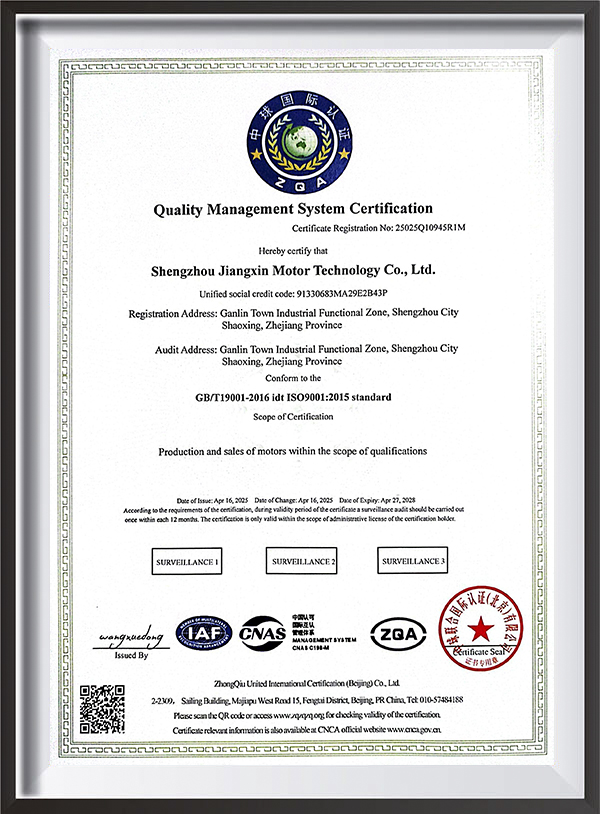
Consistency in manufacturing processes directly influences vibration and noise behavior in FRP fan motor systems. Variations in rotor balancing, assembly alignment, or material curing can lead to differences in operational stability between units. Fiberglass fan motor Factory production systems typically implement standardized inspection procedures to reduce variability and ensure consistent mechanical performance across production batches. Shengzhou Jiangxin Motor Technology Co., Ltd. applies controlled quality management systems to maintain stable product behavior in industrial applications.