


 English
 русский
 Español
 عربى
عربى


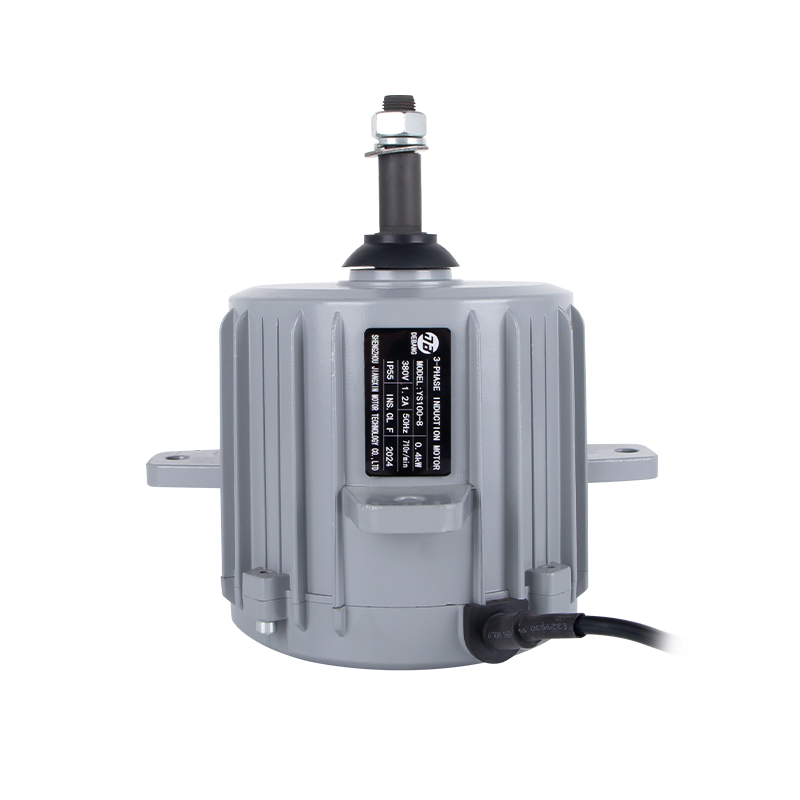
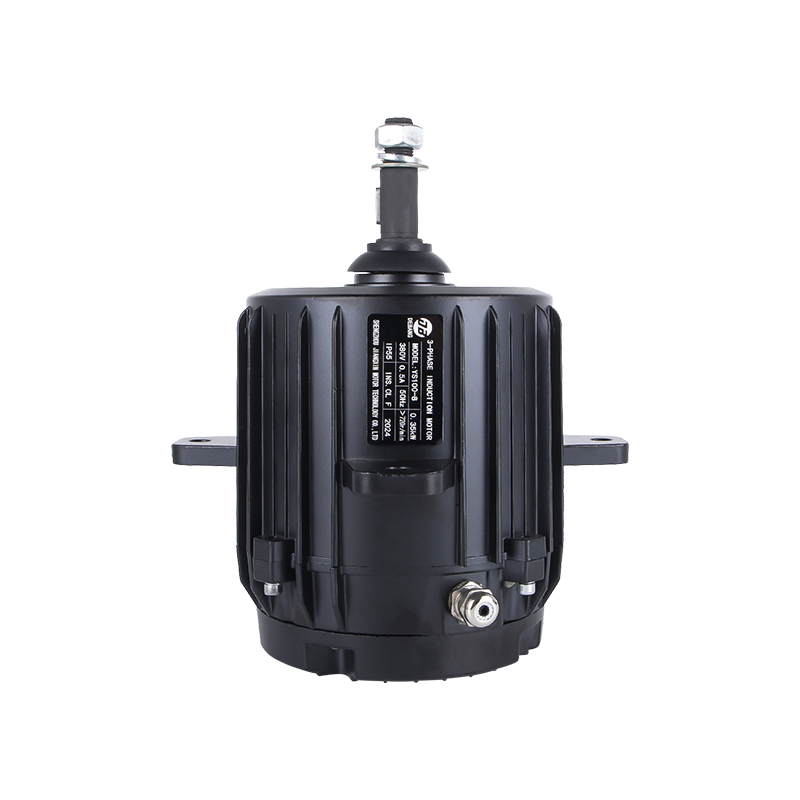
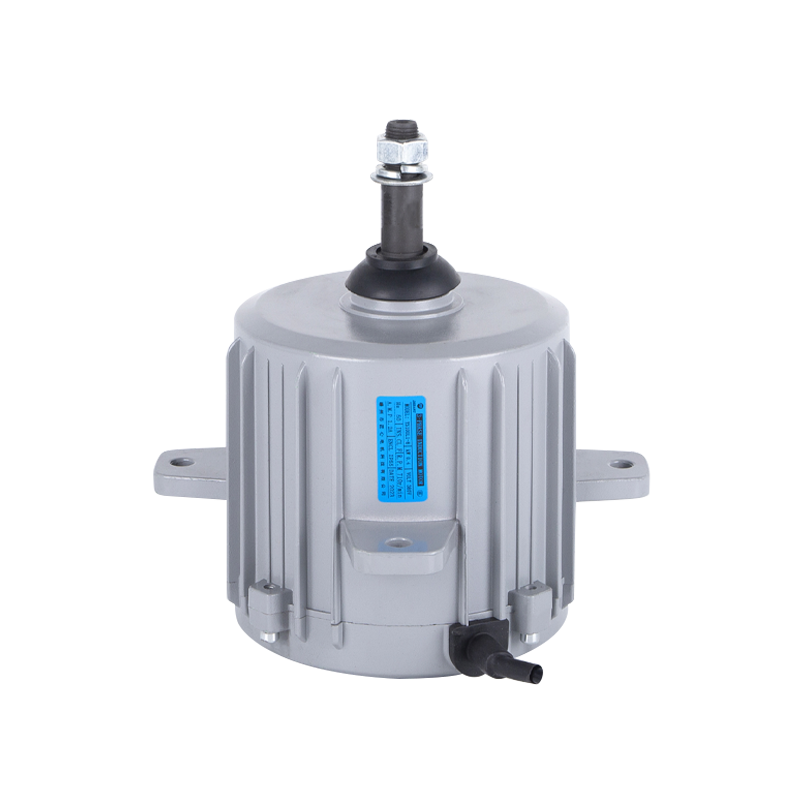
What Factors Affect the Performance and Lifespan of Cattle House Fan Motors?
Cattle house ventilation systems rely heavily on stable airflow, and the motor is the core component that determines whether the system can maintain continuous air movement under long operating cycles. In modern livestock facilities, especially large-scale cattle houses, fan motors are required to operate under high humidity, dust exposure, and ammonia-rich air conditions. These environmental factors directly influence efficiency, durability, and maintenance cycles. As a cattle house fan motor manufacturer with years of engineering and export experience, Shengzhou Jiangxin Motor Technology Co., Ltd. continuously develops motor solutions aligned with agricultural ventilation requirements across different climates and operational standards.
Operating Environment and Air Quality Conditions
One of the most influential factors affecting cattle house fan motor performance is the surrounding environment. Livestock buildings often contain high levels of moisture and ammonia generated from animal waste, which can accelerate corrosion of metal components and aging of insulation materials. Dust particles from feed and bedding materials can also enter the motor housing if sealing is not sufficient. In such conditions, motor protection design becomes critical. A reliable cattle house fan motor factory typically focuses on sealing structures, protective coatings, and insulation systems that can resist continuous exposure to aggressive air conditions. Shengzhou Jiangxin Motor Technology Co., Ltd. applies controlled varnishing processes and housing treatments to improve resistance against environmental degradation in long-term applications.
Electrical Load Stability and Voltage Fluctuation
Voltage stability in rural or semi-industrial areas can vary significantly, and this directly affects motor operation in cattle ventilation systems. When voltage drops or fluctuates frequently, the motor may experience irregular torque output and increased heat generation. Over time, this can shorten the operational lifespan of the winding system. For this reason, cattle house fan motor suppliers often design motors with wider voltage adaptability and reinforced thermal protection structures. In practical applications, motors used in ventilation systems must maintain stable performance even under partial load or unstable grid conditions. The engineering team at Shengzhou Jiangxin Motor Technology Co., Ltd. takes these factors into account when designing motors for agricultural export markets where power supply conditions differ widely.
Continuous Operation and Thermal Management
Cattle ventilation systems usually operate continuously throughout the day, especially during warm seasons. This long-duty operation creates sustained thermal load on motor components, including windings, bearings, and rotor assemblies. If heat is not dissipated effectively, insulation aging may accelerate, leading to reduced motor lifespan. Thermal management design therefore becomes a central factor in performance evaluation. Motor structure, ventilation channels, and material selection all contribute to controlling temperature rise.
Mechanical Load Variation and Fan System Matching
The performance of a motor is also influenced by the mechanical load characteristics of the fan system it drives. In cattle house applications, fan blades may accumulate dust or experience airflow resistance changes depending on seasonal conditions. These variations create fluctuating torque demands on the motor. If the motor is not properly matched with the fan system, it may operate under inefficient load conditions, increasing mechanical stress on bearings and shafts. Proper selection by cattle house fan motor suppliers involves analyzing torque curves, fan resistance characteristics, and airflow requirements.
Material Selection and Insulation System Design
The selection of materials used in motor construction plays a significant role in determining long-term reliability. Copper winding quality, insulation class, and bearing materials all contribute to performance stability under harsh agricultural environments. High insulation class systems help reduce the risk of breakdown caused by moisture or temperature fluctuations. In addition, bearing lubrication systems must be suitable for extended operation without frequent maintenance. A professional cattle house fan motor factory typically evaluates these factors during design and production stages to ensure compatibility with long operating cycles in livestock environments. Shengzhou Jiangxin Motor Technology Co., Ltd. integrates material selection standards with quality inspection systems to ensure consistency across production batches.
Protection Level and Structural Sealing
Protection rating is a key specification for motors used in cattle house ventilation systems. Dust, moisture, and corrosive gases can penetrate poorly sealed structures, leading to internal damage. Therefore, motor housings must be designed with appropriate ingress protection to prevent contamination. Structural sealing also affects bearing longevity and winding stability. In practical applications, improved sealing performance reduces maintenance frequency and extends operational cycles.
Maintenance Practices and Service Conditions
Maintenance frequency and operational handling also influence motor lifespan. In many livestock environments, maintenance intervals may be extended due to operational constraints, which requires motors to maintain stability even with limited servicing. Dust accumulation, lubrication degradation, and connection wear are common issues when maintenance is delayed. Therefore, motor design must account for ease of inspection and long service intervals. Equipment manufacturers and system integrators often evaluate these factors when selecting motors for ventilation systems.
Comparison of Key Technical Parameters in Cattle House Fan Motor Applications
| Technical Factor | Impact on Performance | Engineering Focus |
| Insulation Class | Affects thermal aging and durability | High-temperature resistant winding materials |
| Protection Structure | Determines resistance to dust and moisture | Sealed housing and protective coating design |
| Voltage Adaptability | Stability under fluctuating power supply | Wide-range electrical design and thermal protection |
| Mechanical Matching | Influences load balance and vibration | Torque curve optimization for fan systems |
FAQ
Q: How does a cattle house fan motor perform in high-ammonia and high-humidity environments?
A:In livestock ventilation systems, ammonia and moisture are continuous environmental stress factors that can affect insulation materials and metal components over time. A properly engineered cattle house fan motor uses reinforced insulation systems, protective coatings, and sealed housing structures to reduce corrosion risk and maintain stable operation. Shengzhou Jiangxin Motor Technology Co., Ltd. designs motors with controlled varnishing processes and structural protection to support long-term use in agricultural environments.
Q: What motor design features help maintain stable operation during 24/7 cattle house ventilation?A:Continuous operation requires motors to manage thermal buildup and mechanical stress without performance fluctuation. Key design considerations include optimized cooling structure, high-temperature resistant winding materials, and durable bearing systems. These features help reduce thermal aging during long duty cycles. As a cattle house fan motor manufacturer, Shengzhou Jiangxin Motor Technology Co., Ltd. develops motor solutions suitable for continuous ventilation requirements in livestock facilities.
Q: How important is voltage stability for cattle house fan motor operation in rural installations?A:Voltage fluctuation is a common issue in rural power networks and can lead to irregular torque output or increased motor heating. Motors designed for such environments often incorporate wider voltage tolerance and thermal protection systems. This ensures consistent airflow performance even under unstable electrical supply conditions. Cattle house fan motor suppliers typically focus on electrical adaptability when serving agricultural markets with variable infrastructure conditions.
Q: What role does bearing protection play in extending cattle house fan motor service life?A:Bearings are highly sensitive to dust and moisture infiltration, which are common in livestock environments. If contamination occurs, friction increases and can lead to vibration or premature wear. Sealed bearing structures and high-quality lubrication systems are essential to extend operational stability. Shengzhou Jiangxin Motor Technology Co., Ltd. integrates protective bearing designs to support long-term mechanical reliability in ventilation systems.
Q: How does fan load variation affect cattle house fan motor performance over time?A:Fan systems in cattle houses may experience airflow resistance changes due to seasonal conditions or dust accumulation on blades. These variations lead to fluctuating torque demand on the motor. If not properly matched, this can increase mechanical stress and reduce operational efficiency. A professional cattle house fan motor factory considers torque matching and load adaptability during design to ensure stable operation across different working conditions.
Q: What factors should be considered when selecting a motor for large-scale cattle house ventilation systems?A:Selection involves evaluating environmental resistance, continuous duty capability, thermal performance, and compatibility with fan system design. Engineers also consider insulation class, protection level, and energy efficiency requirements. As a cattle house fan motor supplier, Shengzhou Jiangxin Motor Technology Co., Ltd. provides customized motor configurations to match different ventilation system structures used in large-scale agricultural projects.