


 English
 русский
 Español
 عربى
عربى


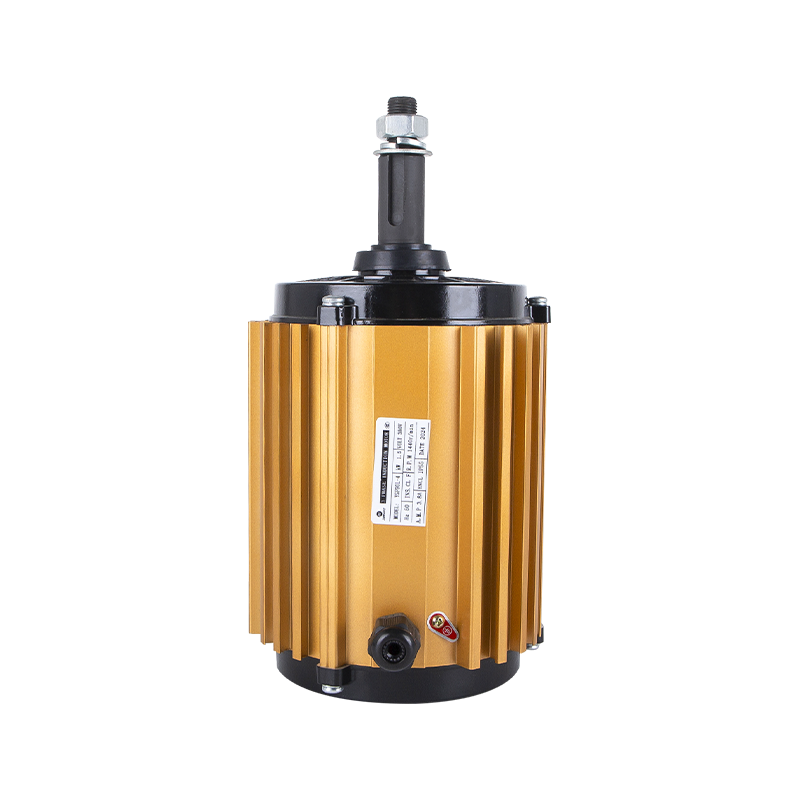
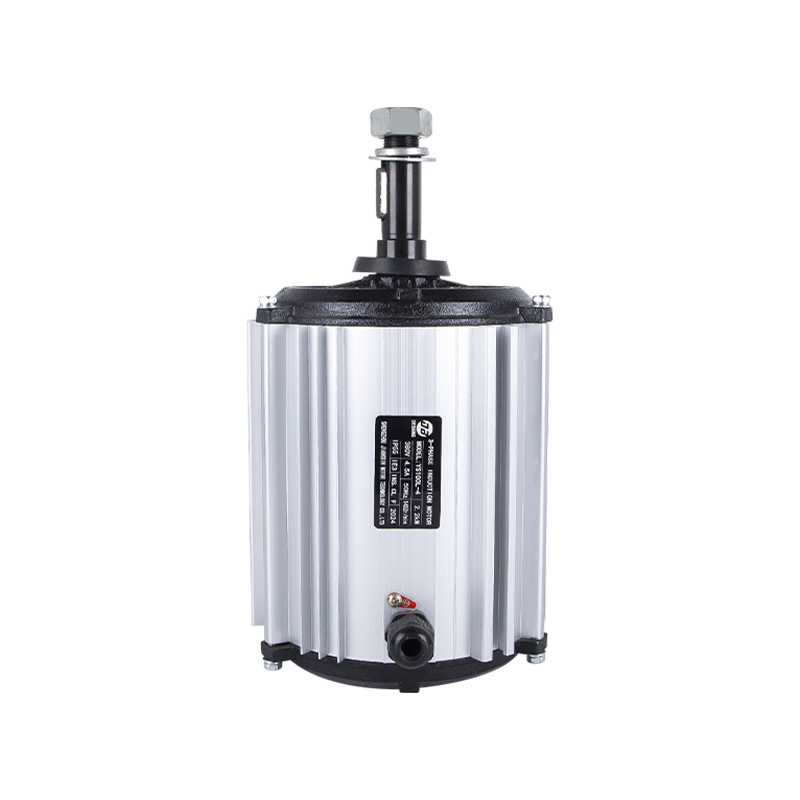
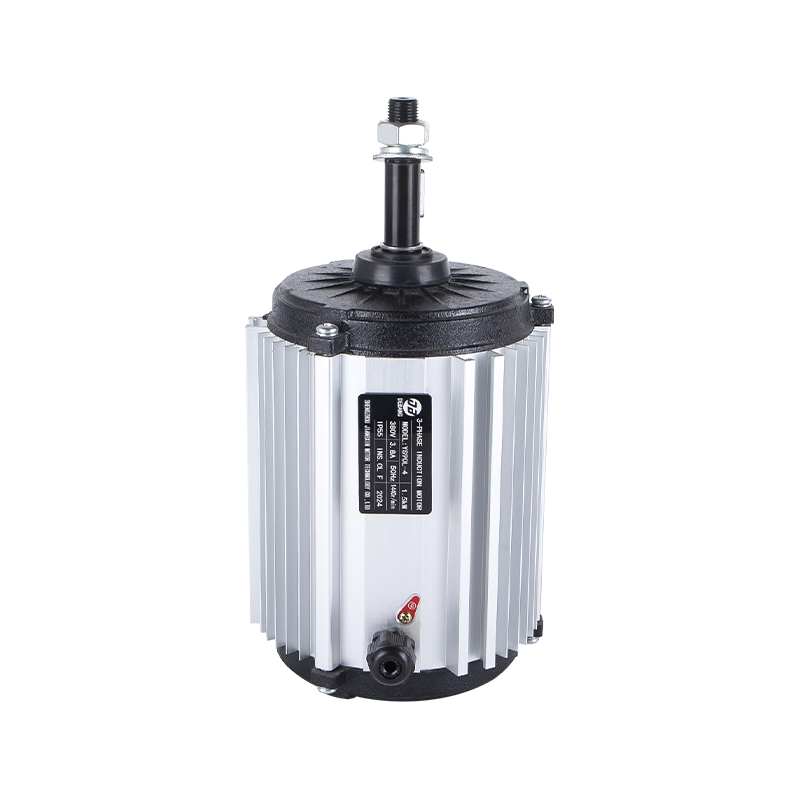
How to Match Air Cooler Motor with Air Volume, Air Pressure and Power Requirements?
System Matching Between Air Cooler Motor and Evaporative Cooling Applications
In evaporative cooling systems, selecting an air cooler motor requires more than checking rated specifications. The motor must be matched with the airflow system as a whole, including fan structure, duct resistance, cooling pads, and expected operating duty cycle. When these elements interact, the actual load applied to the motor can vary significantly from nominal test conditions. In practical engineering design, Shengzhou Jiangxin Motor Technology Co., Ltd. considers the coupling relationship between airflow resistance and motor torque output to ensure the motor can maintain stable operation under real installation environments rather than laboratory conditions. This system-level matching approach helps reduce performance deviation when the equipment is deployed in different regions and climates.
Air Volume Requirement and Motor Speed Coordination
Air volume is one of the most direct performance indicators in air cooler applications, typically expressed in cubic meters per hour. However, achieving a target air volume is not simply a matter of increasing motor speed. The relationship between fan diameter, blade angle, rotational speed, and motor torque determines the final airflow output. When the fan load increases due to changes in blade design or air duct resistance, the motor must be capable of maintaining stable speed without excessive fluctuation. In many cases, external rotor BLDC structures are used to improve airflow efficiency at lower speeds while maintaining stable torque output. Proper coordination between air volume demand and motor characteristics is essential to avoid underperformance or unnecessary energy consumption in continuous operation systems.
Air Pressure Consideration in Real Operating Environments
Static air pressure plays a critical role in determining how effectively air moves through evaporative cooling media and ventilation channels. In real environments, factors such as dust accumulation on cooling pads, increased humidity, or longer duct paths can gradually increase system resistance. This results in higher load demand on the motor. If the motor cannot compensate for this increased resistance, airflow reduction and uneven cooling distribution may occur. Motor design for such applications often involves optimization of electromagnetic structure and winding configuration to provide sufficient torque reserve. In addition, airflow system designers often need to evaluate pressure curves rather than relying only on free-air flow data to ensure the selected motor can handle resistance variations over time.
Power Consumption and Efficiency Balance
Power matching in air cooler motor applications involves balancing input electrical power with delivered airflow performance. A higher power rating does not necessarily lead to better system efficiency, especially when the airflow system cannot utilize the additional output effectively. Conversely, insufficient power can lead to motor overload or reduced airflow under high resistance conditions. The selection process therefore requires evaluation of efficiency curves under different load points, rather than relying on a single rated value. In practical production environments, Shengzhou Jiangxin Motor Technology Co., Ltd. uses load testing to observe performance behavior across multiple operating conditions, helping ensure that motor output remains within a controlled and predictable range during extended operation.
Performance Matching Table for Selection Reference
| Air Volume Range (m³/h) | Static Pressure Level | Motor Structure Type | Application Scenario |
| 2000 - 5000 | Low | AC Induction Motor | Residential evaporative cooling units |
| 5000 - 12000 | Medium | External Rotor BLDC Motor | Commercial ventilation and cooling equipment |
| 12000 - 30000 | Medium to High | High Torque BLDC Motor | Industrial workshops and semi-open environments |
| 30000+ | High | Customized Motor System | Large industrial ventilation and cooling platforms |
Load Variation and Motor Response Behavior
Air cooler systems rarely operate under constant load conditions. Environmental changes such as temperature shifts, humidity variation, and gradual blockage of cooling pads all contribute to fluctuating resistance. These variations directly affect motor load behavior and can lead to changes in speed stability if not properly addressed. A well-matched motor should be capable of adapting to these variations without significant performance deviation. In engineering validation processes, load simulation is often used to replicate real-world operating resistance, allowing engineers to evaluate how the motor responds under different airflow conditions before final deployment. This approach helps reduce risks associated with long-term instability in actual usage scenarios.
Speed Control and System Integration Requirements
Modern air cooling systems increasingly require adjustable airflow control to meet different environmental and energy-saving requirements. This creates the need for motors that support flexible speed regulation methods, such as voltage control in AC systems or PWM-based control in BLDC configurations. Proper integration between motor drivers and system controllers is essential to ensure smooth operation across different speed ranges. If control compatibility is not properly addressed, issues such as delayed response, unstable airflow, or excessive power fluctuation may occur. Therefore, system-level compatibility evaluation is an important step during motor selection and application design.
Thermal Behavior Under Continuous Operation
During long-term operation, heat accumulation inside the motor becomes a key factor influencing performance stability. Temperature rise affects winding resistance, insulation aging, and magnetic performance, which may gradually impact motor output characteristics. In evaporative cooling applications, motors often operate in environments with high humidity and moderate dust exposure, which further influences thermal dissipation conditions. Proper thermal design must consider both internal heat generation and external cooling conditions provided by airflow. In engineering practice, thermal testing is conducted under continuous load conditions to evaluate temperature distribution and ensure the motor remains within a controlled thermal range during extended operation cycles.
FAQ
Q: How does an air cooler fan motor maintain stable torque under changing airflow resistance in real operating conditions?A: Air cooler fan systems often face variable resistance due to dust accumulation, humidity changes, and different duct structures. To handle these variations, the motor design must maintain stable torque output across a wide load range. In practice, Shengzhou Jiangxin Motor Technology Co., Ltd. develops motor structures with optimized electromagnetic design and rotor balance to reduce speed fluctuation when airflow resistance increases, helping the fan system maintain consistent circulation performance during long-term operation.
Q: What factors should be considered when matching fan blade design with an air cooler motor?A: Fan blade diameter, pitch angle, and material all influence the load applied to the motor. A mismatch between blade characteristics and motor output can lead to inefficient airflow or excessive energy consumption. In industrial applications, manufacturers typically evaluate torque curves and speed stability before final pairing. Shengzhou Jiangxin Motor Technology Co., Ltd. supports customized motor configurations to better align with different fan blade structures used in evaporative cooling systems.
Q: How do BLDC air cooler fan motors improve performance consistency in long-hour operation?A: BLDC motors use electronic commutation, which allows more precise speed control compared with traditional AC induction structures. This helps reduce speed drift during continuous operation and improves adaptability under variable load conditions. In applications requiring long runtime, such as industrial cooling or ventilation, BLDC systems also reduce mechanical wear, which supports more stable operation cycles over time.
Q: What protection considerations are important for air cooler fan motors used in high humidity environments?A: High humidity environments can affect insulation performance and increase the risk of corrosion on internal components. Therefore, motor selection should consider insulation class, sealing structure, and moisture resistance treatment. Common engineering approaches include improved varnish insulation, sealed bearings, and anti-corrosion surface treatment. These measures help maintain stable operation when air cooler fan motors are used in evaporative cooling systems exposed to continuous moisture.
Q: How can energy consumption be optimized when selecting an air cooler fan motor for industrial applications?A: Energy optimization depends on matching motor power with actual airflow demand rather than selecting oversized specifications. Operating the motor near its efficient load range helps reduce unnecessary power loss. In engineering practice, system designers often evaluate airflow curves and resistance conditions before selection. Motors developed by Shengzhou Jiangxin Motor Technology Co., Ltd. are designed with efficiency balance in mind, allowing better coordination between airflow output and power input in different cooling scenarios.