


 English
 русский
 Español
 عربى
عربى


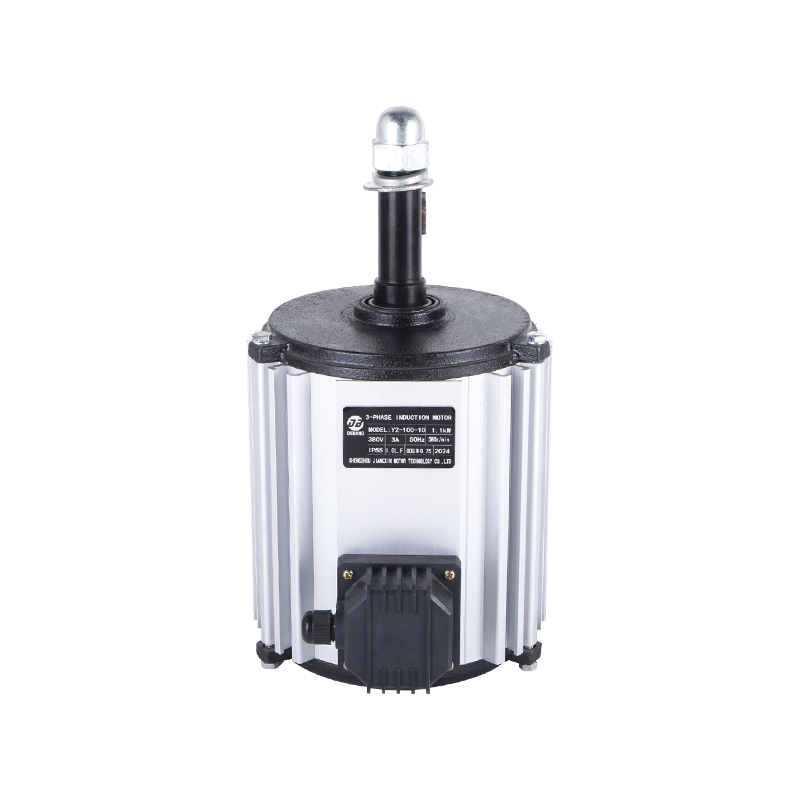
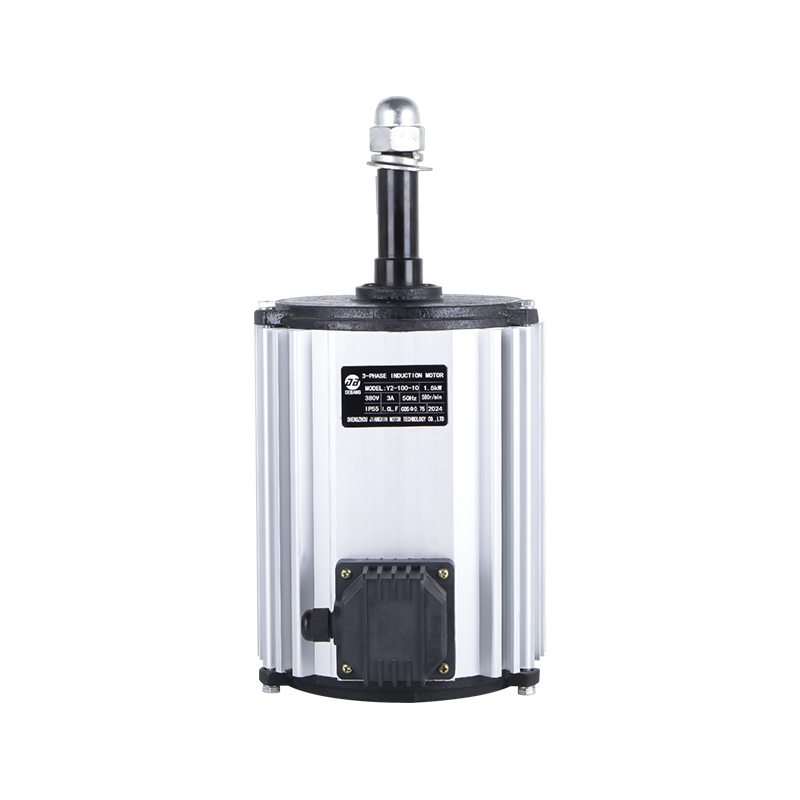
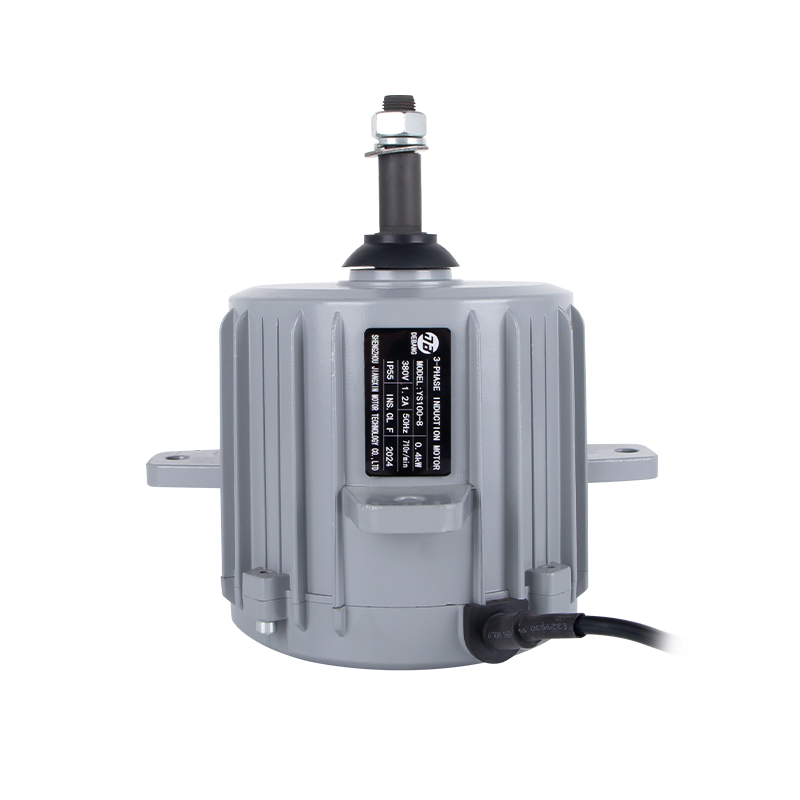
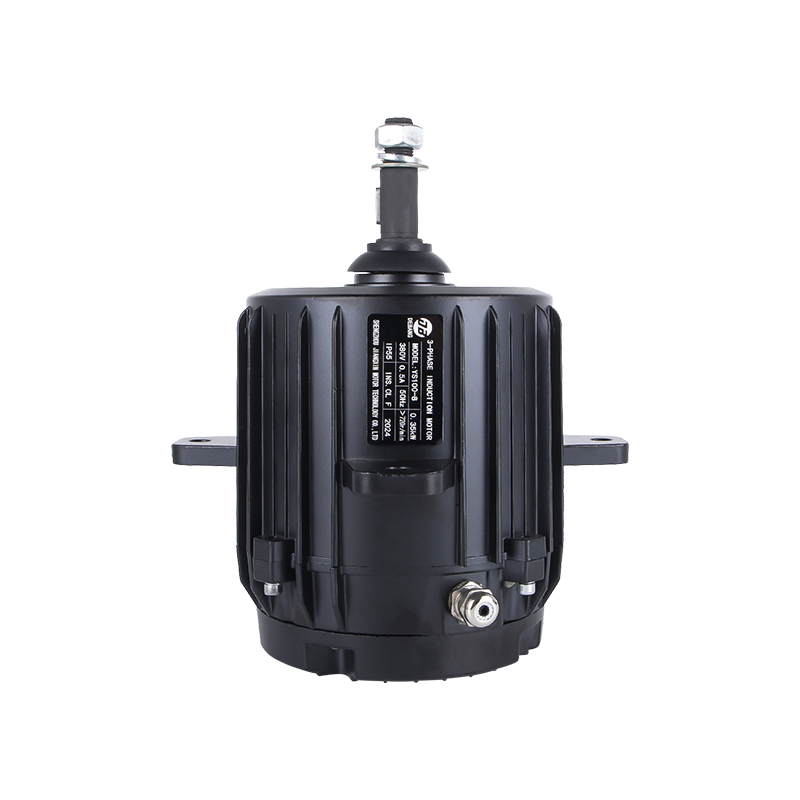
What Are Other Fan Motors and How Do They Perform in Different Industrial Applications?
Overview of Other Fan Motors in Industrial Systems
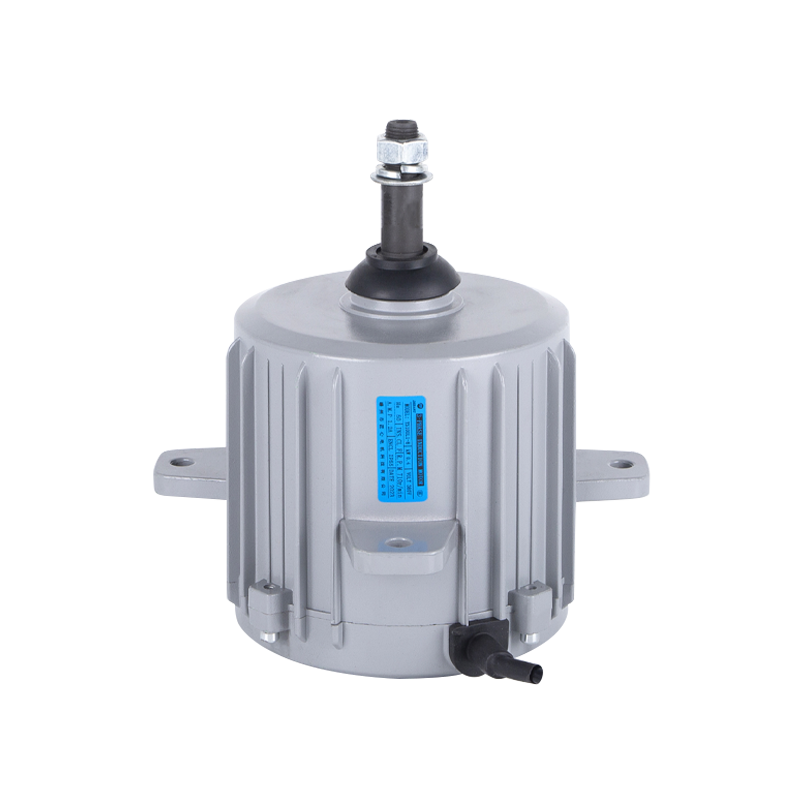
Other fan motors generally refer to fan motor categories that do not fall strictly under standard axial, centrifugal, or duct fan motor classifications, but still play a critical role in air movement systems across industrial and commercial environments. These motors are often designed with specific structural or environmental requirements in mind, such as material compatibility, airflow resistance, installation constraints, or duty cycle conditions. In practical engineering applications, these motors are frequently customized to meet equipment-level requirements rather than being used as universal standardized products. Shengzhou Jiangxin Motor Technology Co., Ltd. develops and supplies various motor solutions within this segment, particularly for equipment that requires tailored airflow and stable mechanical performance under continuous or semi-continuous operation conditions.
Functional Position of Other Fan Motors in Airflow Systems
In most ventilation and cooling systems, other fan motors serve as supporting or specialized components that ensure airflow stability in conditions where conventional motor types may not fully match system constraints. These motors are often integrated into compact equipment, enclosed systems, or machinery with irregular airflow channels. Their function is not only to drive the fan load but also to maintain system balance under varying pressure conditions. In industrial environments, such motors are used in air treatment units, heat dissipation modules, and equipment cooling assemblies where airflow consistency is influenced by external resistance or installation geometry.
Application Scope Across Industrial Fields
The application of other fan motors extends across multiple industrial sectors, including environmental equipment, thermal processing systems, industrial ventilation, and auxiliary cooling systems. For example, in air purification and dust control equipment, motors are required to maintain airflow even when filter resistance increases over time. In industrial heating systems, they help distribute heat more evenly by supporting airflow circulation within confined chambers. Shengzhou Jiangxin Motor Technology Co., Ltd. has integrated its motor design experience into applications such as evaporative cooling equipment, industrial heaters, and hydraulic system cooling units, where airflow control plays a supporting role in system stability.
Special Motor Types: Cattle House Fan Motor and Fiber Glass Fan Motor
Within the category of other fan motors, specific designs such as Cattle House Fan Motor and Fiber Glass Fan Motor are developed for distinct environmental conditions. Cattle House Fan Motor is commonly used in agricultural ventilation systems where airflow needs to be maintained in environments with high humidity, ammonia presence, and dust particles. These motors are designed with structural considerations that support long-duration operation in livestock housing environments.
Fiber Glass Fan Motor is typically applied in systems requiring corrosion resistance and structural stability in chemically sensitive or humid environments. The use of fiber glass-related components helps maintain performance consistency in conditions where metallic exposure may lead to degradation over time. These motor types are often selected based on environmental compatibility rather than airflow volume alone, making material selection a key factor in system design.
Performance Characteristics Under Different Operating Conditions
The performance of other fan motors is closely related to operating environment, load variation, and installation structure. In high-resistance airflow systems, motors must maintain torque stability to ensure continuous air delivery. In contrast, low-resistance systems prioritize energy control and rotational balance. Factors such as temperature variation, humidity level, and dust concentration can influence motor efficiency and service life. Manufacturers like Shengzhou Jiangxin Motor Technology Co., Ltd. typically evaluate motor behavior under simulated working conditions to ensure compatibility with diverse industrial applications before deployment.
Material Selection and Structural Design Considerations
Material selection plays a central role in defining the operational stability of other fan motors. Depending on the application environment, motor housings and internal components may use different material combinations such as aluminum, steel, or engineered plastics. In some industrial designs, corrosion-resistant coatings or reinforced structures are applied to improve durability in challenging environments. Structural design also affects heat dissipation efficiency and vibration control, both of which influence long-term operational stability. Engineering teams often adjust stator winding configuration, rotor balance, and bearing systems according to specific application requirements.
Comparison of Common Other Fan Motor Types
Different types of other fan motors are selected based on airflow demand, environmental conditions, and system design requirements. The following table provides a simplified comparison of several typical configurations used in industrial applications.
| Motor Type | Main Application | Key Environmental Condition | Design Focus |
| General Other Fan Motor | Industrial ventilation systems | Standard indoor environment | Airflow stability and basic efficiency |
| Cattle House Fan Motor | Agricultural ventilation | High humidity and ammonia exposure | Corrosion resistance and long-duration operation |
| Fiber Glass Fan Motor | Chemical and humid environments | Corrosive or moist conditions | Material durability and structural stability |
| Custom Industrial Fan Motor | OEM equipment integration | Variable industrial conditions | System-specific torque and airflow matching |
Customization and Engineering Development Approach
Customization is a key aspect of other fan motor development, particularly in industrial projects where equipment design cannot be standardized. Engineering teams work closely with system manufacturers to define parameters such as voltage, rotational speed, torque curve, and installation dimensions. Shengzhou Jiangxin Motor Technology Co., Ltd. applies a structured development process that includes prototype testing, performance validation, and environmental simulation to ensure that motors can integrate into customer systems without requiring major structural changes. This approach supports both small-batch customization and large-scale production requirements.
Reliability Factors in Continuous Operation
In continuous operation scenarios, reliability depends on thermal management, bearing life, and electrical stability. Motors operating in S1 duty mode must maintain stable temperature rise characteristics to avoid insulation aging. Bearing selection and lubrication systems are also critical factors that influence service intervals. In many industrial systems, maintenance schedules are determined based on operational hours and environmental exposure rather than fixed time intervals. Proper alignment between motor load characteristics and system resistance helps reduce mechanical stress and extend operational consistency.
Integration with Modern Control Systems
Many modern other fan motors are designed to be compatible with variable speed control systems, allowing airflow adjustment based on real-time system demand. This includes PWM control, voltage regulation, and in some cases digital communication interfaces. Integration with control systems enables more flexible operation in industrial environments where airflow requirements change dynamically. It also helps reduce unnecessary energy consumption during partial load conditions. In engineering practice, control compatibility is often considered during the early design phase to ensure system-level coordination between motor and controller.
Industrial Value in Long-Term Equipment Design
Other fan motors are not standalone components but part of broader industrial system design strategies. Their role extends into thermal management, process stability, and equipment lifespan optimization. When properly matched with system requirements, these motors contribute to more stable equipment operation under variable industrial conditions. In many cases, long-term system performance depends more on correct motor selection and integration than on individual motor specifications alone. For manufacturers like Shengzhou Jiangxin Motor Technology Co., Ltd., this highlights the importance of engineering collaboration during the early stages of equipment development.