


 English
 русский
 Español
 عربى
عربى


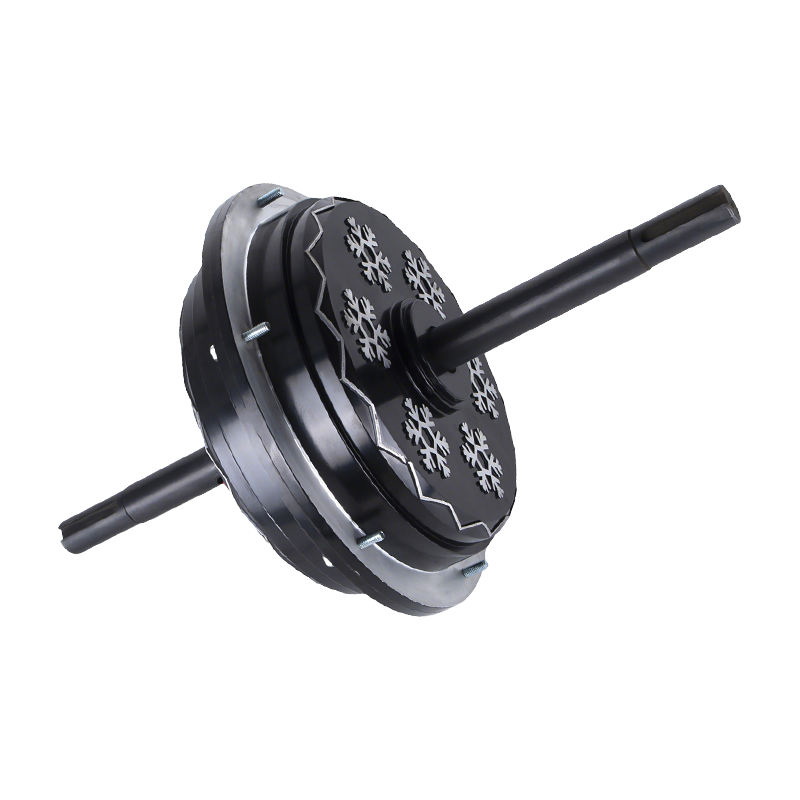
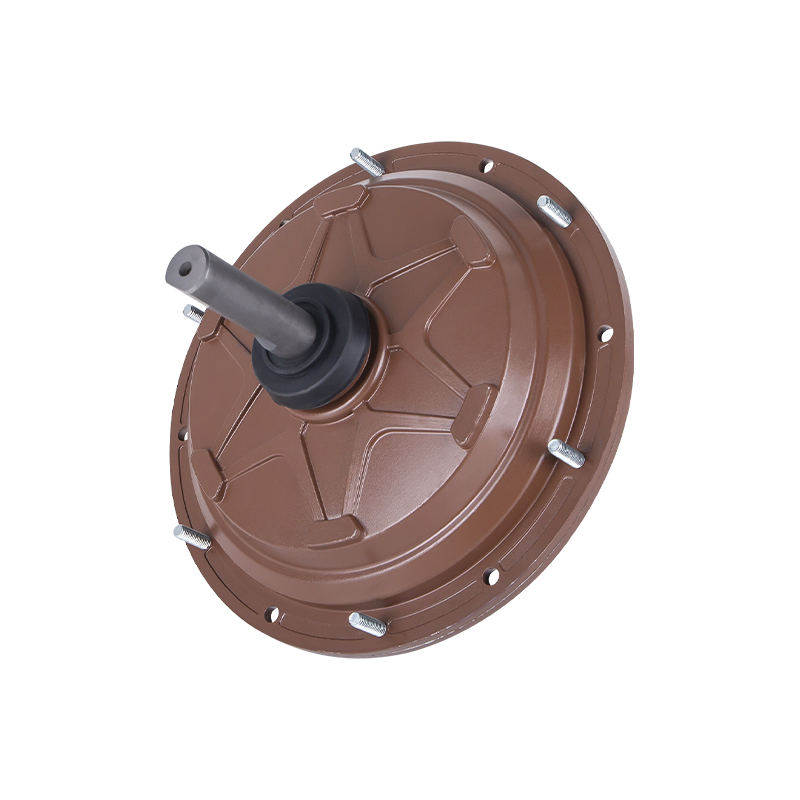
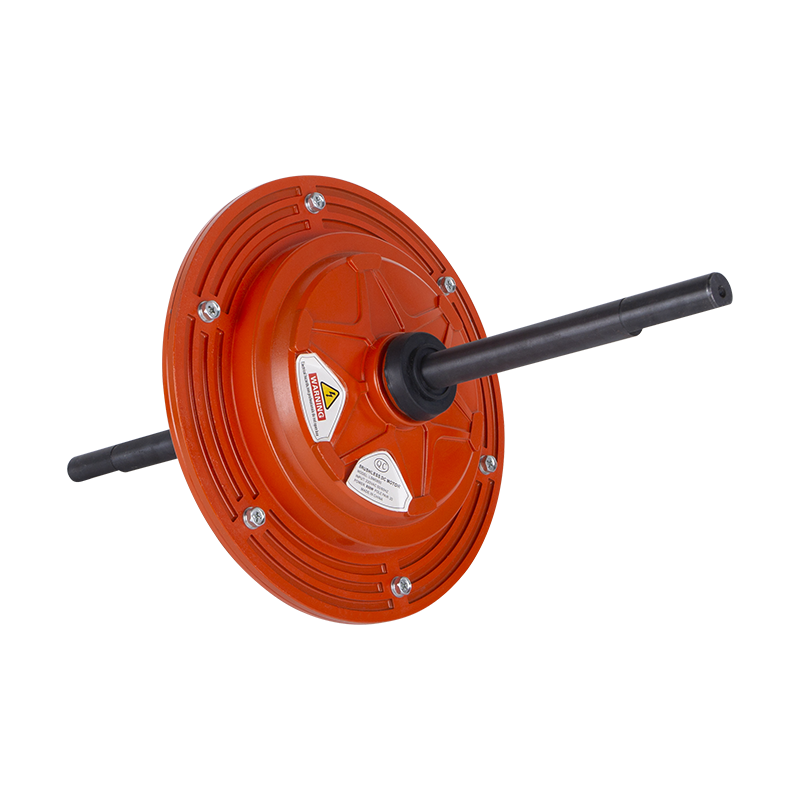
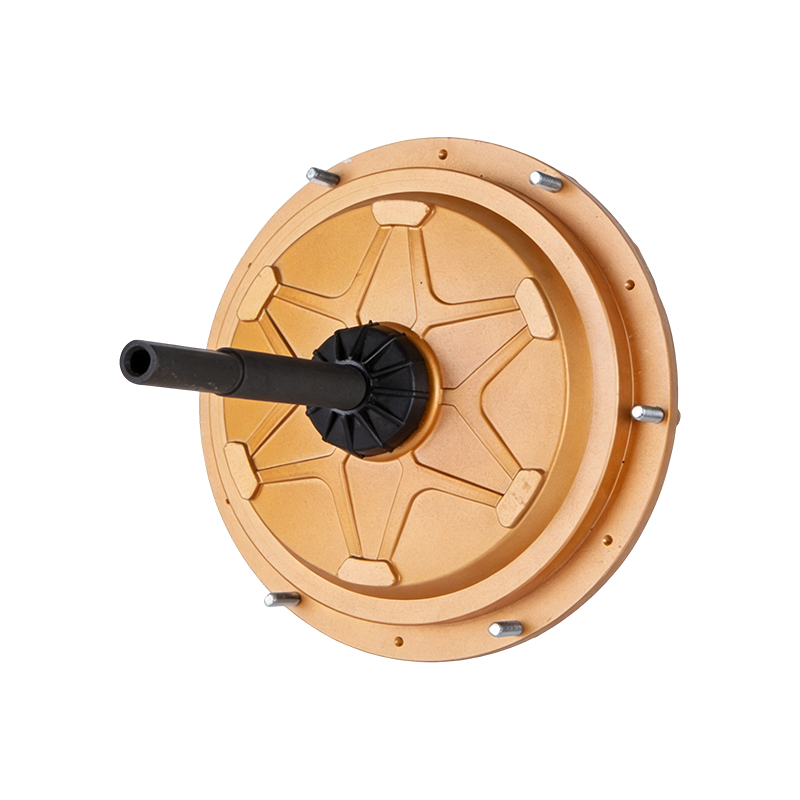
How to Choose the Right External BLDC Air Cooler Motor for Maximum Cooling Efficiency?
External BLDC Air Cooler Motor has become an important component in modern evaporative cooling systems, especially in industrial and commercial ventilation equipment. Compared with traditional motor structures, the external rotor BLDC configuration provides a more compact integration method for fan-driven systems, allowing stable airflow output under variable operating conditions. Shengzhou Jiangxin Motor Technology Co., Ltd., as a manufacturer focused on AC/DC motors and micro motor solutions, continuously develops motor systems that support different cooling equipment requirements across global markets, including air cooler applications with different airflow and environmental conditions.
Structural Characteristics of External BLDC Air Cooler Motor
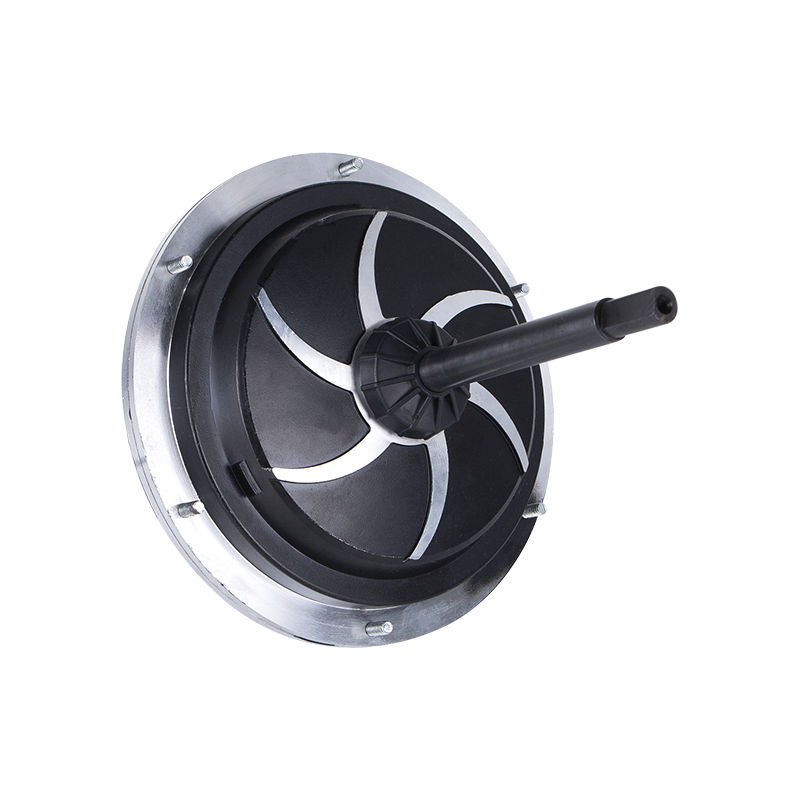
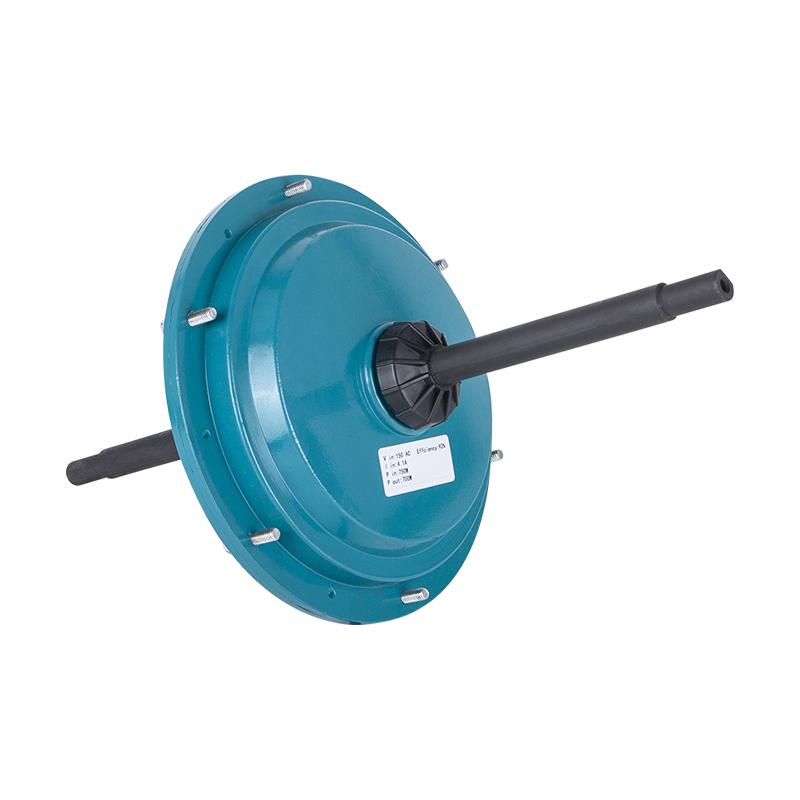
The External BLDC Air Cooler Motor adopts an external rotor design where the rotor surrounds the stator, and the fan blade is often directly mounted on the motor housing. This structure reduces mechanical transmission components and helps improve installation efficiency in air cooler systems. Because the rotating mass is distributed at the outer part of the motor, torque output characteristics are suitable for driving large fan blades. This allows air cooler manufacturers to achieve stable airflow output without significantly increasing system complexity.
Motor Selection and Airflow Performance Relationship
In evaporative cooling systems, airflow volume is directly influenced by motor selection. If the motor specification does not match the fan load requirements, airflow instability may occur during long-term operation. Selecting a motor only based on equipment size is not sufficient; fan resistance, blade structure, and airflow target must also be considered together.
The External BLDC Air Cooler Motor supports a wide range of operating conditions, and proper selection helps maintain a balance between airflow output and energy usage. This is particularly important in industrial cooling environments where equipment may run continuously for extended periods.
Power Selection Based on Application Requirements
Shengzhou Jiangxin Motor Technology Co., Ltd. provides External BLDC Air Cooler Motor solutions across different power ranges, allowing adaptation to portable, commercial, and industrial cooling systems. Power selection depends on fan diameter, airflow target, and system load conditions rather than a single fixed parameter.
| Application Type | Motor Power Range | Typical Use Environment |
| Small Air Cooler | 50W - 150W | Residential and light commercial spaces |
| Medium Air Cooler | 150W - 500W | Workshops and retail environments |
| Industrial Air Cooler | 500W - 1500W+ | Factories, warehouses, and large-scale ventilation systems |
Speed Control and Operating Flexibility
External BLDC Air Cooler Motor supports variable speed control, which allows airflow adjustment based on environmental conditions. Compared with fixed-speed motors, variable-speed operation provides more flexibility in energy usage and airflow regulation. It also allows air cooler systems to adapt to seasonal changes without replacing core components.
Torque Characteristics in External Rotor Design
Torque is an important factor in air cooler performance, especially when driving large fan blades. The external rotor structure used in External BLDC Air Cooler Motor provides stable torque output at low and medium speeds. Shengzhou Jiangxin Motor Technology Co., Ltd. applies this structure in multiple motor series designed for ventilation and cooling applications.
| Performance Factor | Influence on Air Cooler System |
| Torque Output | Supports stable fan startup and continuous operation |
| Speed Range | Affects airflow volume and adjustment capability |
| Motor Efficiency | Influences energy consumption during long-term use |
| Load Matching | Ensures stable performance under fan resistance |
Environmental Adaptability and Protection Design
Air cooling equipment is often used in environments where dust, humidity, and temperature variations are present. Depending on the application scenario, different IP protection levels may be required. Outdoor cooling systems and industrial ventilation equipment often require higher protection ratings to reduce the impact of environmental exposure.
| IP Rating | Application Scenario |
| IP44 | Indoor cooling equipment |
| IP54 | Light industrial environments |
| IP55 | Outdoor air cooling systems |
| IP65 | High dust and moisture environments |
Energy Efficiency and Long-Term Operation Considerations
Energy efficiency plays an important role in air cooler system design, especially in applications that require long operating hours. External BLDC Air Cooler Motor can reduce energy consumption under variable load conditions by adjusting speed and torque output. Shengzhou Jiangxin Motor Technology Co., Ltd. applies energy-focused design principles when developing motors for ventilation and cooling applications.
Over time, efficiency differences between motor types can influence overall operating cost, particularly in industrial environments where cooling systems run continuously.
Reliability Factors in Motor Design
Reliability is a key requirement for air cooler motors used in commercial and industrial environments. Shengzhou Jiangxin Motor Technology Co., Ltd. pays attention to structural balance, bearing selection, winding design, and thermal management during motor production to support stable long-term operation.
These design considerations help reduce performance variation under continuous load conditions, especially in systems where downtime is not desirable.
OEM and Customization Capability for Air Cooler Applications
For different air cooling system designs, Shengzhou Jiangxin Motor Technology Co., Ltd. provides OEM and ODM customization services for External BLDC Air Cooler Motor. Custom parameters may include voltage configuration, rated power, speed range, shaft dimensions, mounting structure, and control system compatibility.
This customization approach allows motor specifications to align with airflow design requirements and system integration needs, supporting different types of evaporative cooling equipment across various industries.
FAQ
Q: What factors should be considered when matching an External BLDC Air Cooler Motor with fan blade design in OEM projects?A: In B2B air cooler manufacturing, fan blade diameter, blade angle, and airflow resistance directly affect motor load. For OEM customers, the motor must be selected based on real airflow curve matching rather than only rated power. This ensures stable operation and avoids oversizing or undersizing issues in industrial production systems.
Q: How does variable speed control improve performance in industrial evaporative cooling systems?A: Variable speed allows the External BLDC Air Cooler Motor to adjust airflow according to temperature, humidity, or occupancy changes. In commercial and industrial environments, this helps maintain consistent cooling demand while reducing unnecessary energy consumption during low-load periods, which is important for long-hour operation systems.
Q: What causes airflow instability in BLDC air cooler systems during continuous operation?A: Airflow instability is often related to improper motor and fan load matching, inconsistent voltage supply, or insufficient torque under high resistance conditions. In industrial applications, correct system integration and controller tuning are necessary to maintain stable airflow under continuous operation conditions.
Q: How should IP protection level be selected for different air cooler installation environments?A: The selection depends on exposure conditions. Indoor commercial systems may require lower protection levels, while outdoor or industrial environments with dust and humidity require higher IP ratings. Proper selection helps maintain motor stability and reduces failure risk in harsh working environments.
Q: What role does torque play in large-diameter fan applications?A: Torque determines the motor’s ability to start and maintain rotation under load. In large fan systems, insufficient torque may lead to delayed startup or reduced airflow stability. External rotor design improves torque characteristics, making it suitable for industrial air cooler applications requiring consistent airflow output.
Q: How do B2B manufacturers ensure long-term reliability of External BLDC Air Cooler Motors in continuous operation systems?A: Reliability depends on bearing quality, winding design, thermal control, and rotor balance. In industrial production environments, manufacturers also evaluate quality consistency and testing processes to ensure stable performance. Proper system design and correct operating conditions further extend service life in continuous-duty applications.