


 English
 русский
 Español
 عربى
عربىFurnace Blower Motor
-- Steady & Reliable Manufacturer --
A furnace blower motor has a simple job description - pull air across the heat exchanger and push it through the ductwork into the building - but the way it does that job has a direct effect on comfort, energy use, and how often the rest of the heating system needs service. It is also one of the longest-running motors in any home or commercial building during the heating season, often cycling on and off dozens of times a day for months at a stretch, which puts a premium on reliability and consistent performance far more than on peak output.
Two motor types dominate this category, and the difference between them matters more than most other specification choices covered on this site. A PSC (permanent split capacitor) motor runs at one or a small number of fixed speeds set by the manufacturer and is the older, simpler, lower-cost design still found in a large share of installed furnaces. An ECM (electronically commutated motor), by contrast, is a variable-speed design that ramps output up and down to match the system's actual airflow demand rather than running at full output every time it turns on, which typically cuts electricity use for the blower substantially over a heating season and allows more precise temperature control throughout the building.
A handful of symptoms reliably signal that a blower motor needs attention rather than some other part of the furnace. Noticeably reduced airflow at the vents, a burning smell when the system starts, a motor that runs but the blower wheel doesn't turn at full speed, or a rise in the utility bill without a corresponding change in weather all point toward the blower motor rather than the burner, thermostat, or ductwork. Because the blower motor is a wear component running under near-constant cycling for months at a time, gradual degradation is more common than sudden failure, which is exactly why these symptoms tend to creep in rather than announce themselves clearly.
Matching a replacement blower motor to an existing furnace involves more variables than most other motor replacement categories on this site. Horsepower, rotation direction, frame size, and the number and value of available speed taps all need to match the original unit or the furnace's control board, and belt-drive furnaces add pulley sizing to that list, since the motor and blower wheel are not directly coupled the way they are in a direct-drive design. Getting the speed-tap wiring wrong on a multi-speed replacement is one of the more common installation mistakes, since it is possible to physically install a mismatched motor and have the furnace run - just not at the airflow the system was designed around.
Utility rebate and energy-efficiency programs add a practical reason to think carefully about PSC-to-ECM upgrades specifically, separate from the underlying comfort and airflow benefits. Many utility providers in regions with cold winters offer rebates specifically for variable-speed blower motor upgrades, since the electricity savings from switching a furnace blower from PSC to ECM are well documented and predictable enough for utilities to subsidize directly. For HVAC contractors and distributors, being able to point a customer toward one of these programs during a replacement conversation - rather than presenting the ECM option purely as a premium upsell - often changes which motor the customer chooses.
Seasonal duty cycle is worth planning around from a sourcing perspective, not just an installation one. A blower motor in an active heating climate can accumulate more running hours in a single winter than many industrial motors see in a year of intermittent use, and distributors stocking replacement blower motors ahead of peak season need confidence that a batch ordered in summer will perform identically to one ordered the previous year, since a field failure in the coldest week of winter is the worst possible time for an inconsistency to surface.
For HVAC parts distributors and furnace OEMs, cross-reference accuracy is often the deciding factor in a sourcing relationship: a catalog listing that claims to replace a specific original-equipment part number needs to actually match that part's horsepower, speed taps, rotation, and frame size, since a near-miss on any one of these turns a straightforward parts sale into a return and a lost customer.
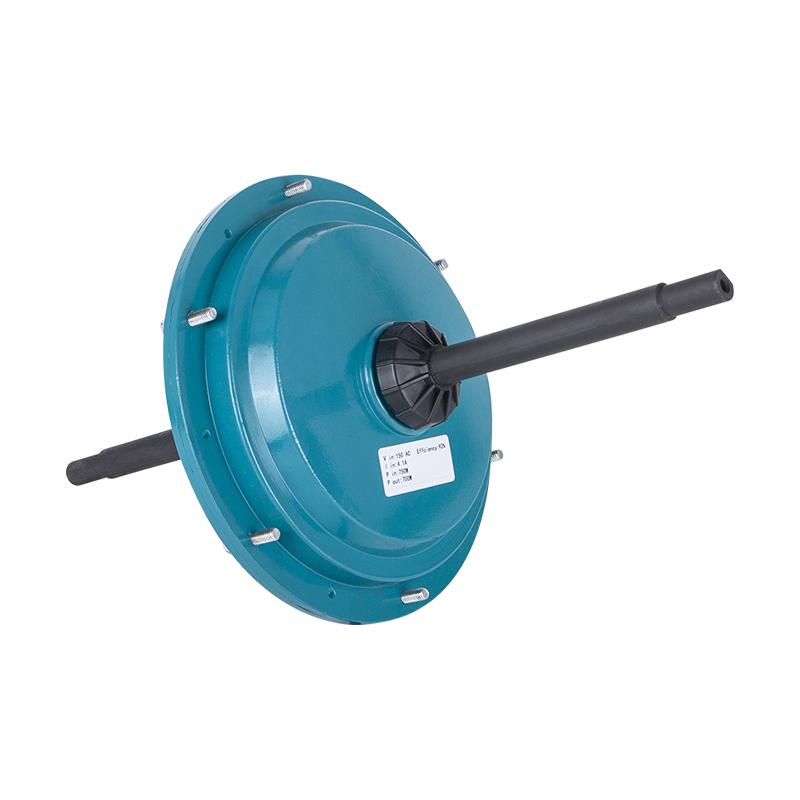
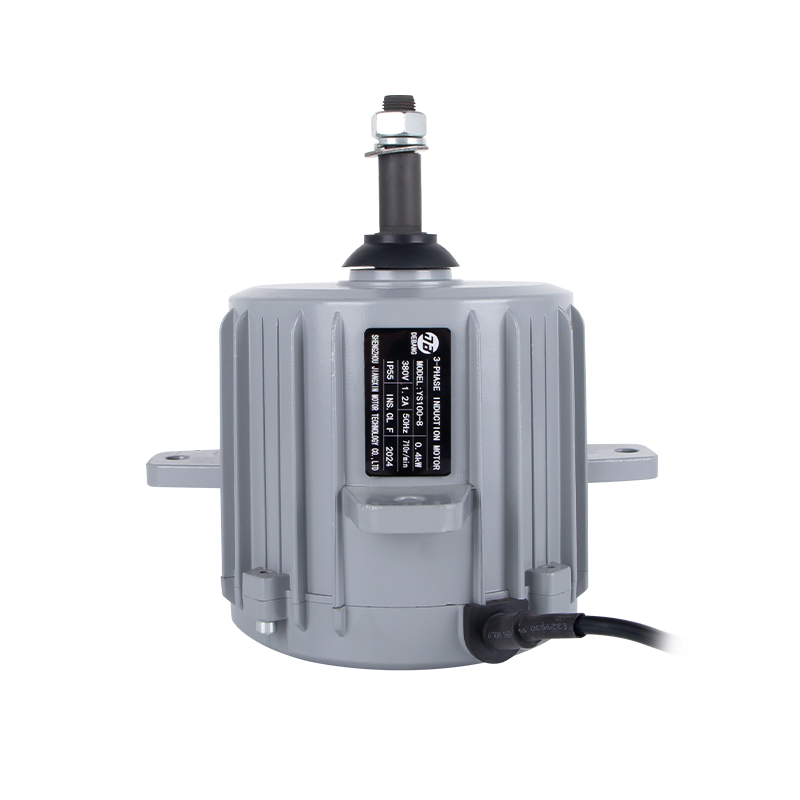


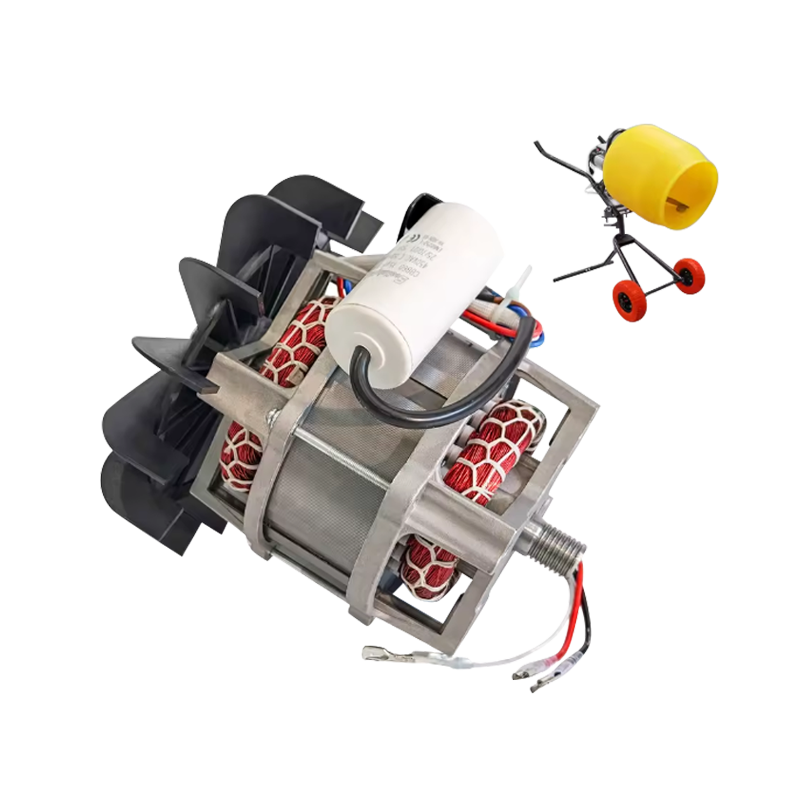
Specifications
| Parameter | Typical Range |
|---|---|
| Motor Type | PSC (fixed-speed) or ECM (variable-speed) |
| Horsepower | 1/4 HP - 1 HP depending on furnace size |
| Speed Taps | Single-speed, or multi-speed matched to control board |
| Drive Type | Direct-drive or belt-drive (pulley sizing on request) |
| Frame Size | Matched to your existing motor or furnace model |
| Rotation | CW / CCW - specify at order |
Applications
- Residential Gas and Oil Furnaces - replacement blower motors matched by horsepower, speed taps, and frame size.
- Commercial Rooftop and Packaged Units - higher-horsepower motors for longer duct runs and larger building loads.
- Belt-Drive Furnace Systems - motors specified alongside pulley ratio for correct blower-wheel speed.
- HVAC Parts Distributors - cross-reference-accurate replacement stock for a range of original-equipment part numbers.
Manufacturing Capability
A blower motor that runs near-continuously through a heating season needs to perform identically to the last batch a distributor stocked, so consistency is controlled at the winding and testing stage on our own lines.
- In-house winding for both PSC and ECM motor types
- Speed-tap and rotation verification on every unit before packing
- Extended run-testing to simulate a full heating-season duty cycle
- Frame and shaft dimension checks against your reference sample every batch
Customization
Blower motor replacement is a matching exercise against an existing furnace or control board, so most specification decisions start from your original part rather than a generic catalog model.
- Horsepower, speed taps, and rotation matched to your furnace or control board
- Frame size and shaft configuration matched for direct-drive or belt-drive installs
- PSC or ECM motor type available within the same physical footprint
- Sample development typically completed within 7-15 business days
Ordering Process
- Step 1. Share your original motor's nameplate, part number, or a physical sample
- Step 2. We confirm horsepower, speed-tap, and frame match
- Step 3. Sample production and cross-reference verification
- Step 4. Sample approval and quotation confirmation
- Step 5. Mass production and pre-shipment inspection
Standard payment terms are T/T with a deposit before production and balance before shipment; L/C is accepted for larger orders.
About jiangxin
SHENGZHOU JIANGXIN MOTOR TECHNOLOGY CO., LTD.
Shengzhou Jiangxin Motor Technology Co., Ltd., established in 2017, is a professional manufacturer dedicated to the R&D, production and sales of high-quality AC/DC motors and micro motors. Based in Shengzhou, Zhejiang, we enjoy a convenient location and superior industrial support in the Yangtze River Delta.
As China Furnace Blower Motor Manufacturers and Furnace Blower Motor Factory, we own modern production facilities, advanced automated equipment and a professional R&D team, and have been recognized as a provincial-level technology enterprise. With strict quality control systems and strong innovation capabilities, we focus on producing reliable, energy-efficient and long-lasting motors.
Our main products include evaporative air cooler motors, industrial heater motors, oil pump motors and customized motors, which are widely used in environmental protection equipment, industrial heating, hydraulic systems and other fields. Our products are exported to more than 60 countries and regions around the world.
Adhering to the spirit of craftsmanship and customer-oriented service, we continue to provide stable products and professional solutions. We are committed to becoming a trusted partner in the global motor industry and creating long-term value for customers.
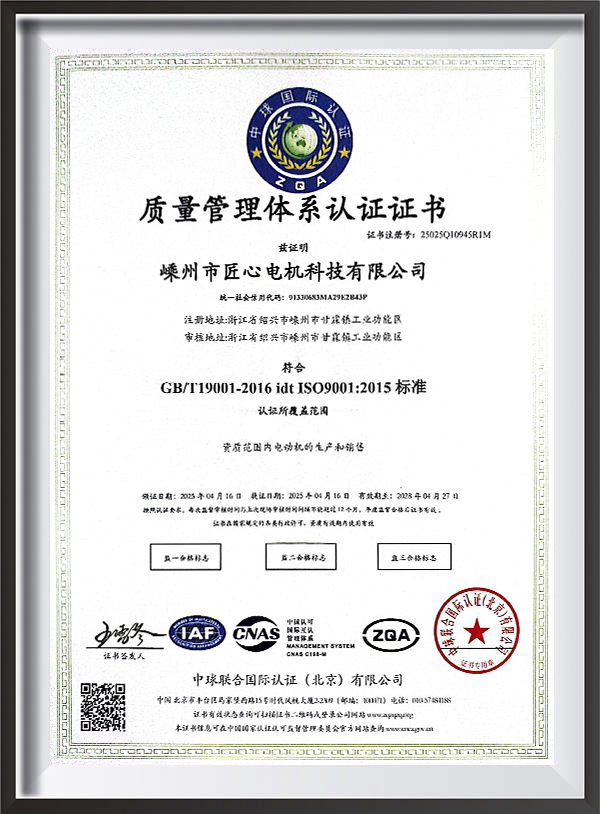
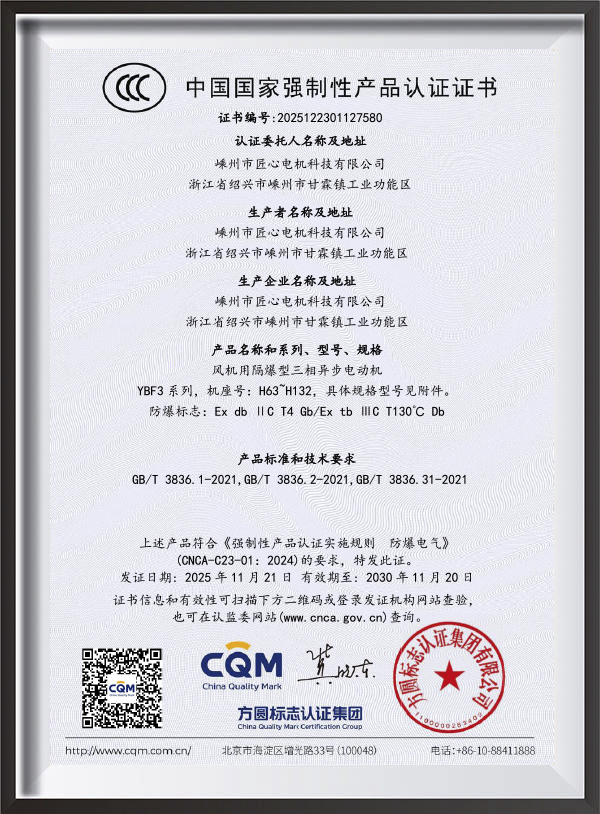
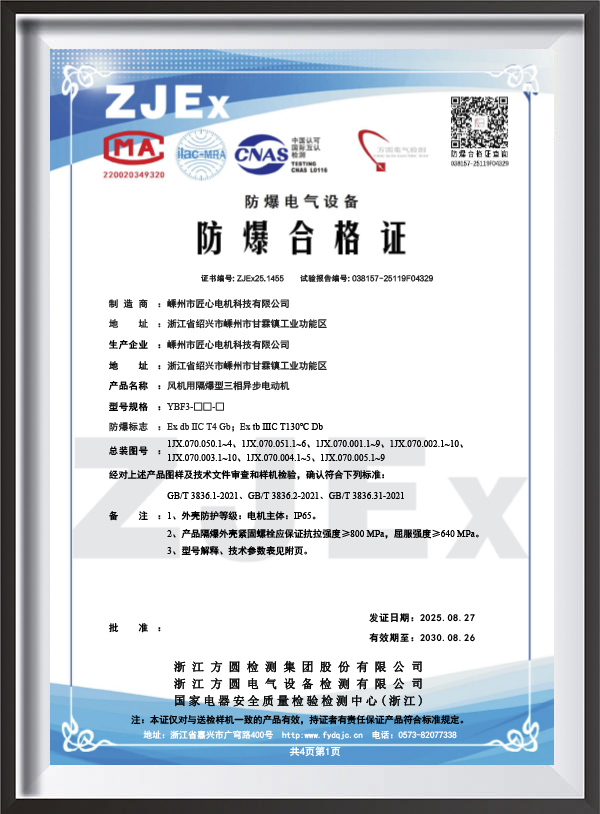
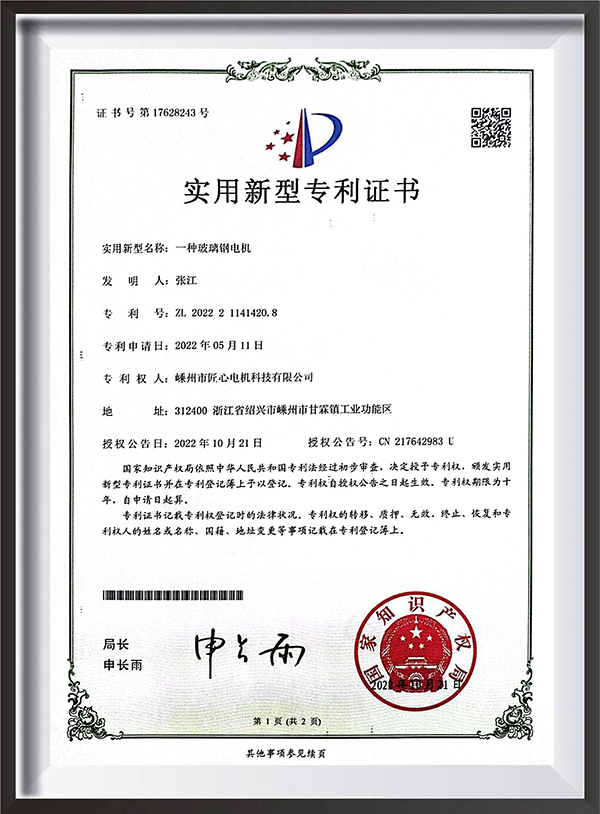
Certificate Of Honor
View More Certificates
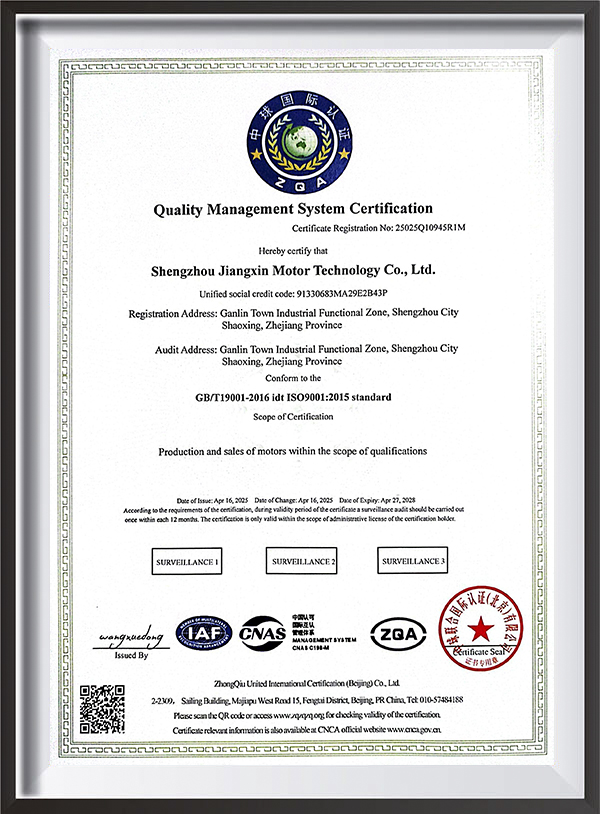
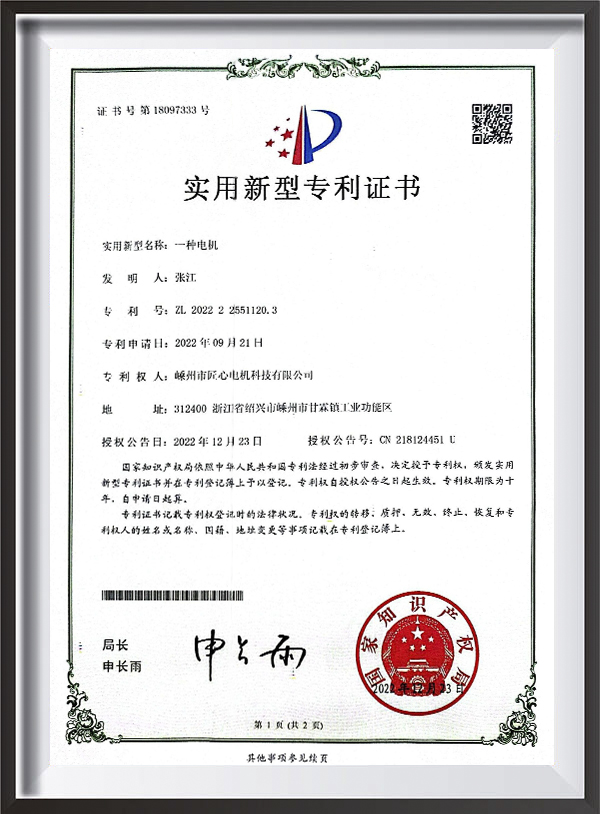
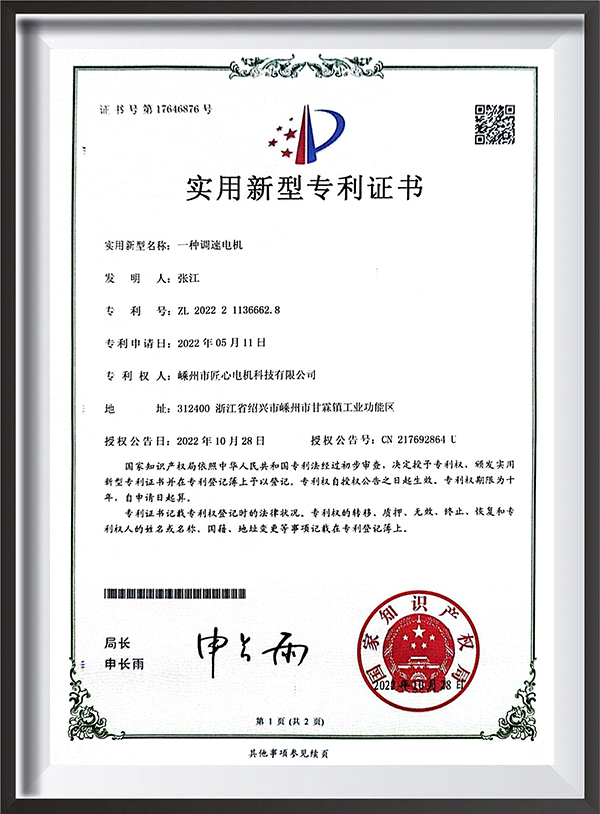
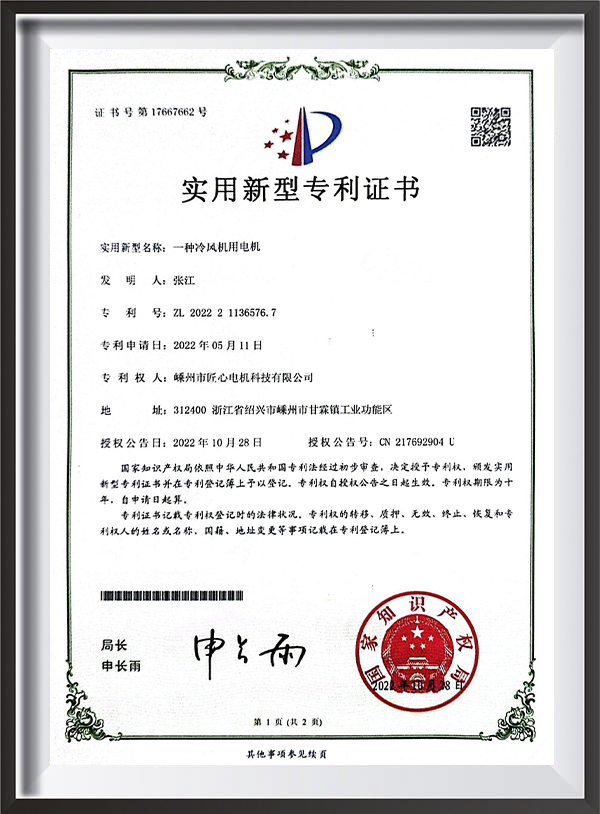
Jiangxin Motor holds CNIPA utility model patents for structural and performance improvements in micro, fan, and AC motors, showcasing our energy-saving expertise and commitment to reliable, high-efficiency solutions.
Message Feedback
Request a Quote
Tell us your requirements and our engineering team will get back to you.