


 English
 русский
 Español
 عربى
عربىConcrete Mixer Gear Motor
-- Steady & Reliable Manufacturer --
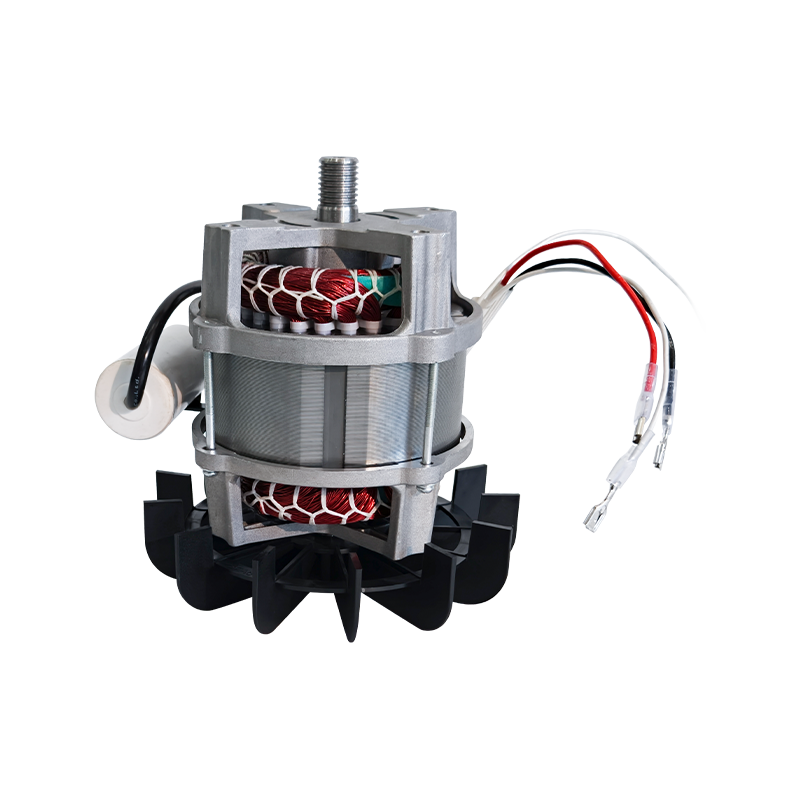
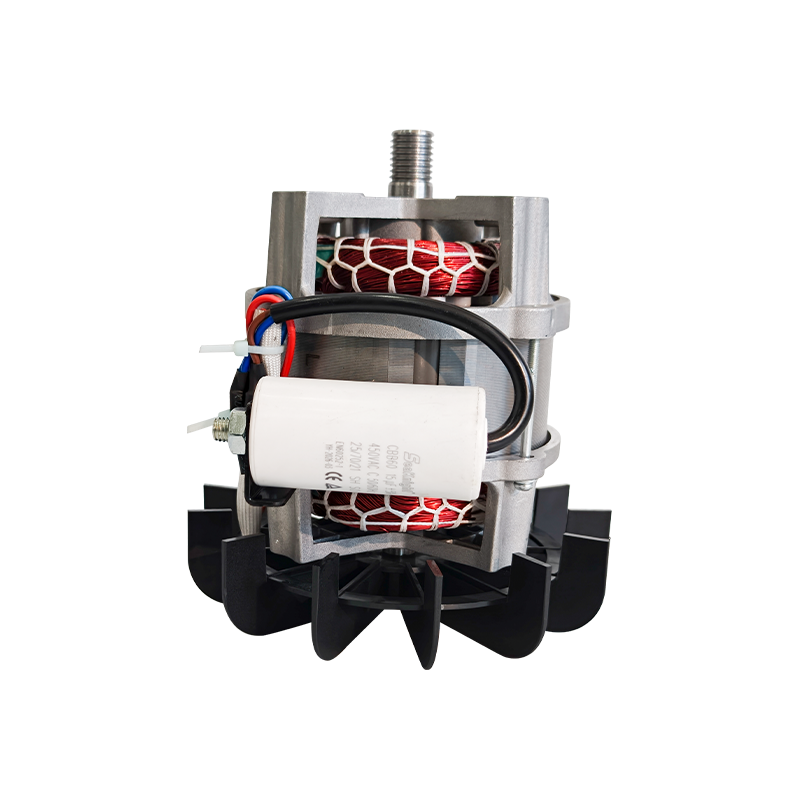
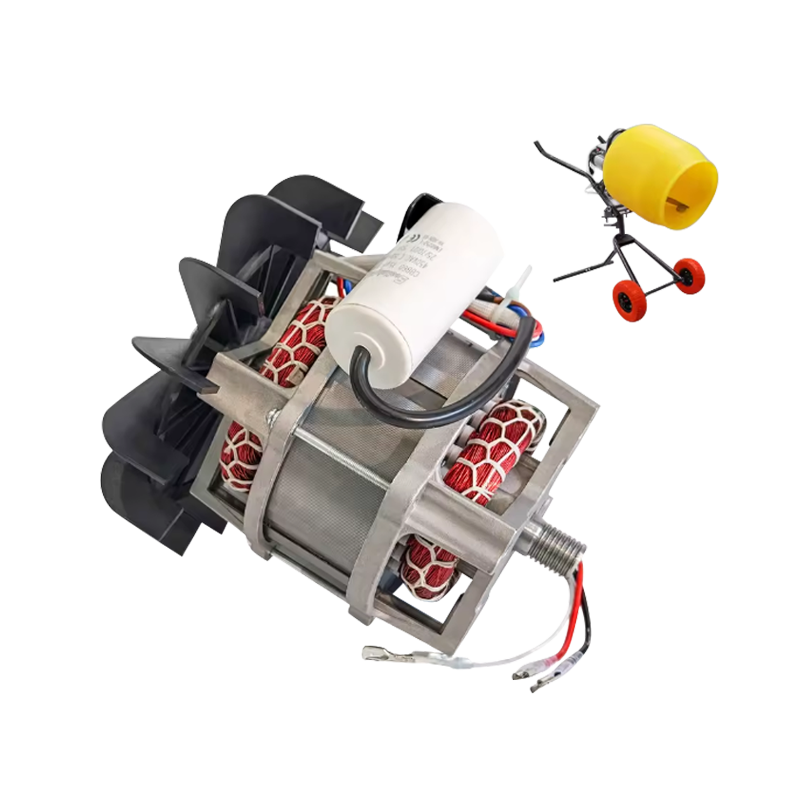
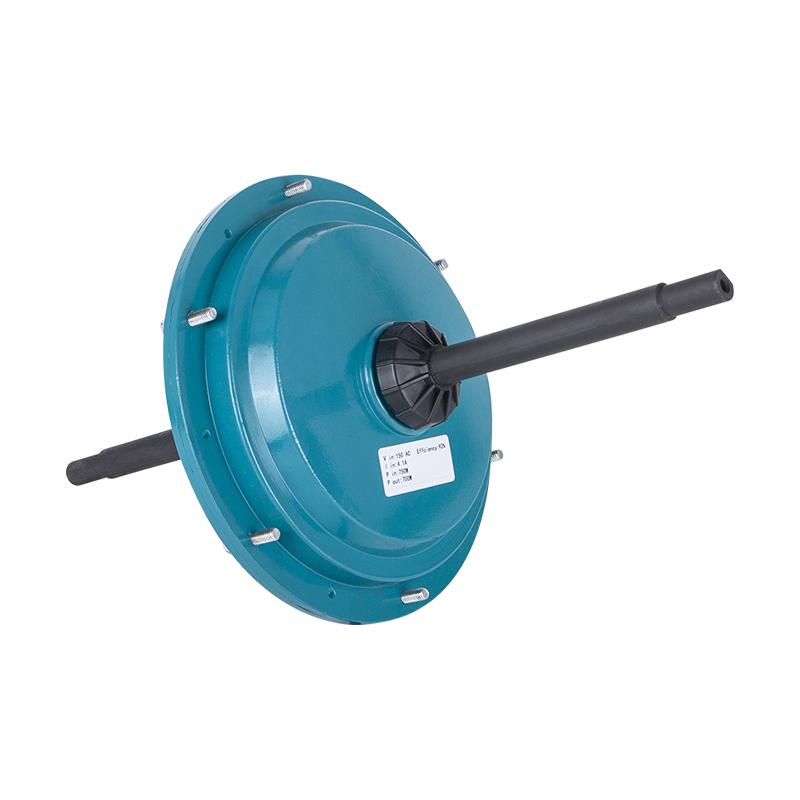
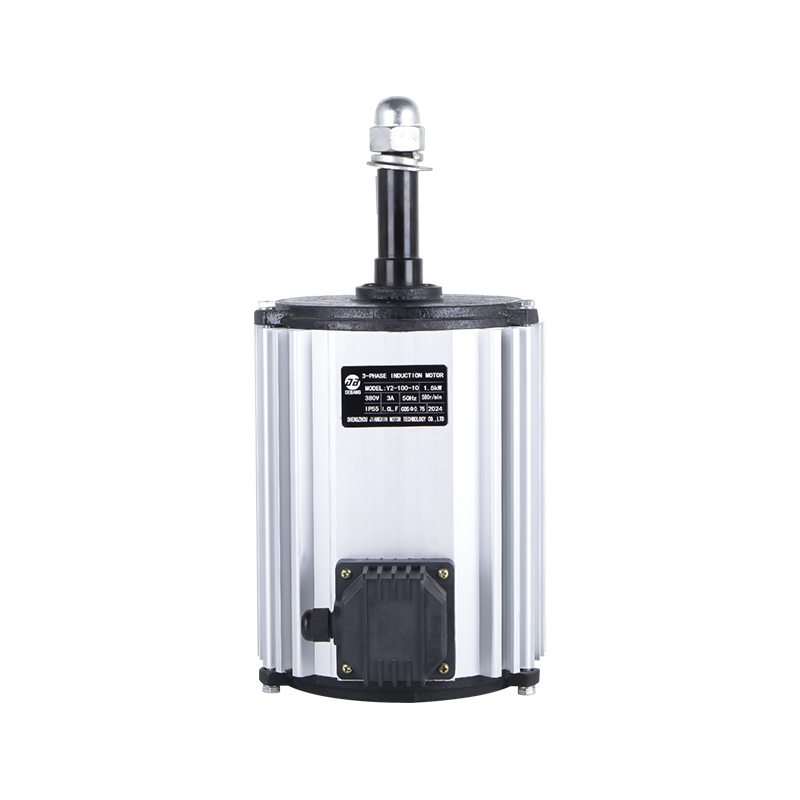
A Concrete Mixer Gear Motor is not simply a motor bolted next to a separate gearbox - it is a motor and reduction gear stage engineered together as a single unit, sized specifically for the torque a mixer drum demands. Understanding what actually happens inside that gear stage, and why certain gear types suit mixer applications better than others, helps equipment designers and buyers make a more informed choice than comparing motors on horsepower or price alone.
What Makes a Motor a "Gear Motor" in Mixer Applications
On its own, an electric motor produces relatively high speed and relatively low torque - useful for many applications, but not directly suited to turning a heavy, resistant drum full of wet concrete. The gear stage sits between the motor and the drum specifically to trade that excess speed for the torque multiplication a mixer actually needs, using a reduction ratio chosen to land on a drum speed that mixes effectively - typically a fairly low number of drum rotations per minute - while still delivering enough turning force to overcome the load's resistance from a standstill.
This distinction matters when comparing products, since two mixers with similarly rated motor horsepower can perform very differently in practice if their gear reduction ratios are not matched to their drum size in the same way. A buyer evaluating "motor power" without also looking at the gear ratio is really only seeing half of the specification that determines how the mixer actually performs under load.
Worm Gear vs Helical Gear: Trade-offs for Mixer Drives
Worm gear reduction stages are common in mixer applications because they deliver a large reduction ratio in a compact package and have a natural self-locking characteristic that resists the drum being back-driven by the load when the motor is off - a genuinely useful safety property for equipment moving a heavy rotating mass. The trade-off is lower mechanical efficiency compared with other gear types, meaning more of the motor's input power is lost as heat within the gear stage itself rather than reaching the drum as useful torque.
Helical gear stages generally run more efficiently and can handle higher continuous loads with less heat generation, which suits larger mixers running longer daily cycles where that efficiency difference adds up over a full working day. They typically cost more to manufacture than an equivalent worm gear stage and lack the same inherent back-drive resistance, so the choice between the two is a genuine engineering trade-off rather than one design being universally superior to the other.
Noise is a secondary factor worth mentioning alongside efficiency, since the two gear types also differ audibly in operation. Worm gears tend to run quieter at a given load due to the sliding contact between gear teeth, while helical gears can produce more noticeable gear whine, particularly as wear accumulates over years of service. For mixers used in noise-sensitive settings - residential construction sites near occupied buildings, for example - this is a legitimate factor to weigh alongside efficiency and cost rather than treating gear type purely as a mechanical decision.
Specifying a Gear Motor for a New Mixer Design
Equipment designers starting a new mixer project from scratch have more flexibility than someone sourcing a replacement for an existing machine, since the gear motor can be specified around the drum design rather than the drum design working around an existing motor. Target drum RPM, maximum batch weight, expected daily duty cycle, and whether back-drive resistance is a meaningful safety requirement for the application all belong in that specification conversation from the earliest design stage, rather than being addressed after a drum design is already finalized and the gear motor has to be fit into whatever constraints remain.
Getting the gear type and ratio right at the design stage avoids a common and costly mistake: discovering during prototype testing that the chosen gear motor cannot deliver adequate torque at a full batch weight, which at that point usually means reworking the drive specification rather than a simple component swap. Involving a gear motor supplier during the concept phase, rather than after the drum and chassis are already tooled, generally produces a better result than treating the drive as a component to be sourced separately once the rest of the machine is finished.




Specifications
| Parameter | Typical Range |
|---|---|
| Gear Type | Worm gear or helical gear reduction |
| Power Output | 250W - 2200W depending on drum capacity |
| Reduction Ratio | Matched to target drum RPM and torque requirement |
| Back-Drive Resistance | Self-locking (worm) or brake-assisted (helical) options |
| Protection Rating | IP54 / IP55 for job-site dust and moisture |
| Mounting | Custom-matched to your drum and chassis design |
Applications
- New Mixer Product Development - gear motor specified around the drum design from the earliest engineering stage.
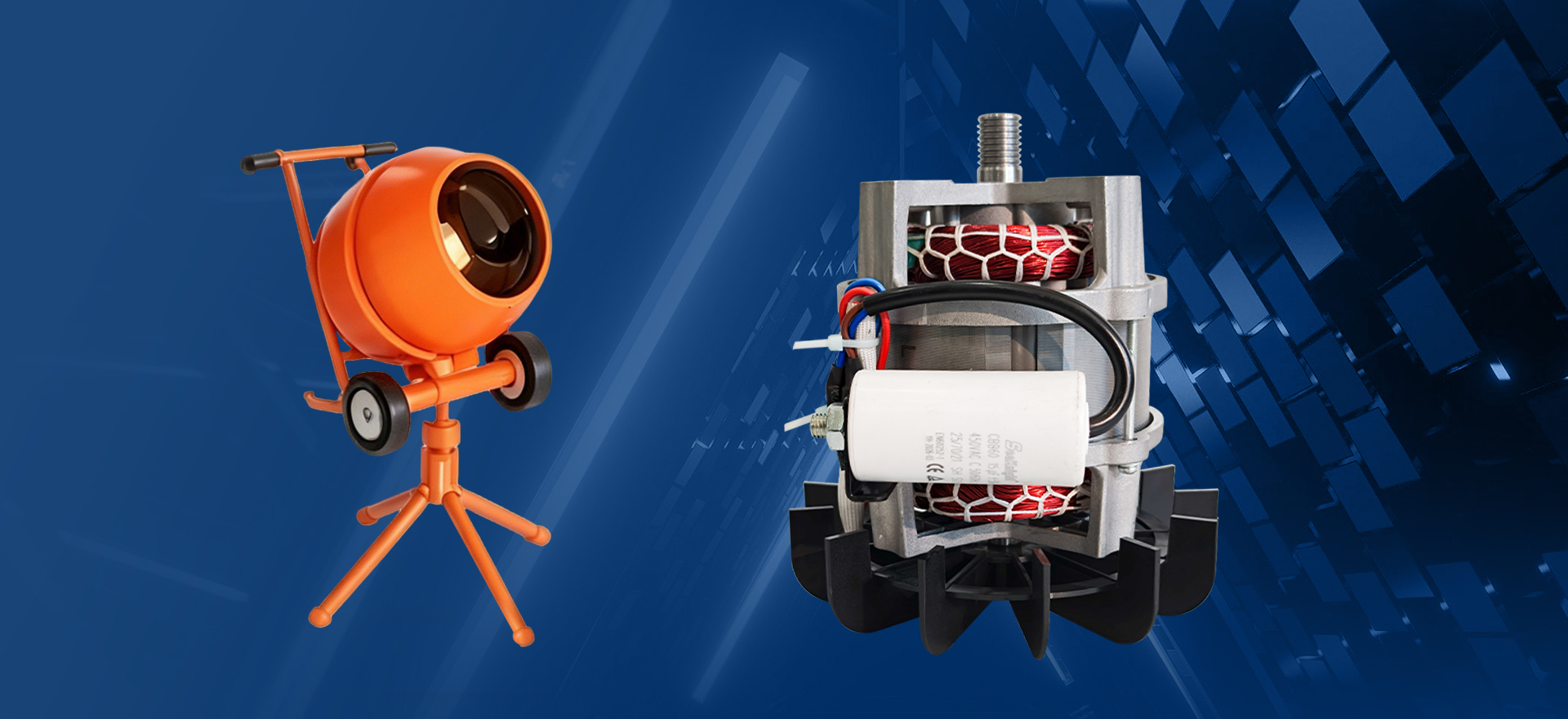
- Portable and Mini Mixers - compact worm gear stages suited to smaller drum capacities.
- Larger Stationary and Towable Mixers - higher-efficiency helical gear stages for sustained daily duty cycles.
- Mixer Equipment OEMs - gear ratio and type engineered specifically for a manufacturer's drum line.
Manufacturing Capability
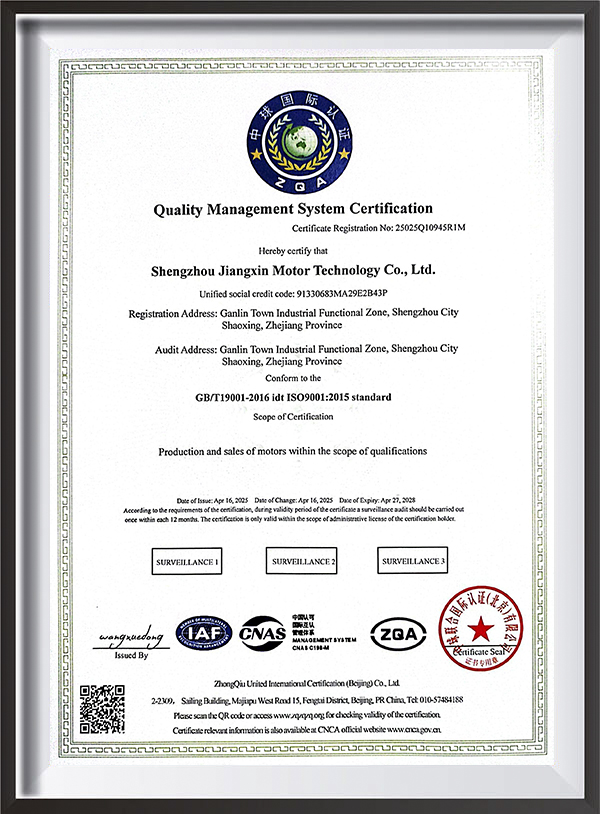
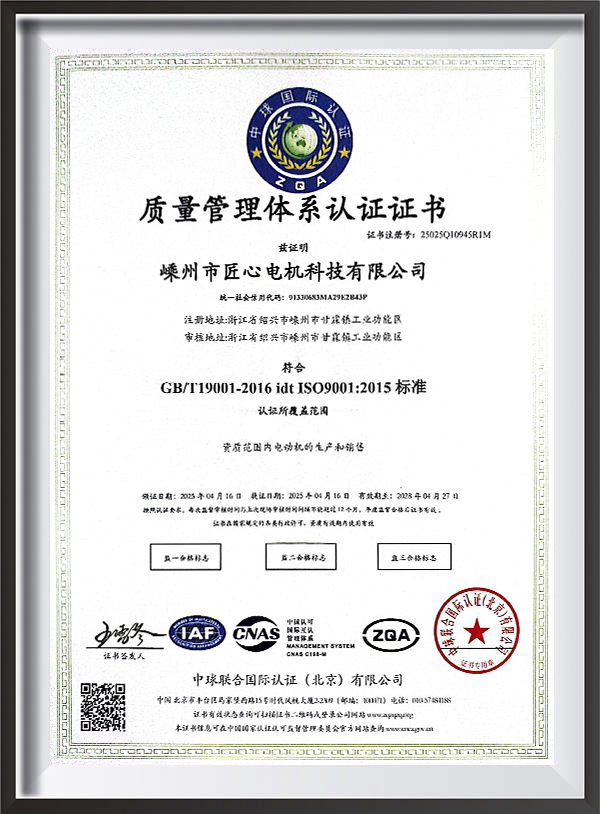
Gear assembly for mixer applications is handled in-house at our production facility in Shengzhou, Zhejiang, part of the Yangtze River Delta industrial cluster where Shengzhou Jiangxin Motor Technology Co., Ltd. has operated since 2017. High-precision equipment and complete testing instruments support both worm gear and helical gear stage production, and our ISO 9001 certified quality system keeps reduction ratio accuracy and full-load torque output consistent across production runs. Because gear type and ratio directly determine how a finished mixer performs, we test output torque under a genuinely full drum load rather than relying on a light-load bench test that would not reveal a mismatch between motor and gearing until the equipment reaches the field.
- In-house worm gear and helical gear assembly with tolerance verification
- Full-load output torque testing matched to actual drum capacity
- Back-drive resistance testing for self-locking gear configurations
- Thermal testing to confirm heat generation stays within safe limits under continuous duty
Customization
As a professional manufacturer focused on the R&D, production, and sales of high-quality AC/DC motors, we treat gear motor specification as core engineering work rather than a catalog lookup, which matters directly for new mixer product development where the gear stage needs to be designed around a specific drum rather than the other way around. Multiple national utility model patents cover structural and performance improvements that we apply where relevant to gear motor design, and with export experience across more than 60 countries, we can also configure voltage and frequency for a specific target market alongside the mechanical specification. Our CE certification supports deployment into markets with defined equipment safety requirements.
- Gear type and reduction ratio engineered around your drum size and target RPM
- Back-drive resistance specified based on your safety and design requirements
- Shaft and mounting configuration matched to your chassis design
- Sample development typically completed within 7-15 business days
Ordering Process
- Step 1. Share your target drum size, RPM, and daily duty cycle
- Step 2. Engineering proposes a gear type and reduction ratio
- Step 3. Sample production and full-load torque testing
- Step 4. Sample approval and quotation confirmation
- Step 5. Mass production and pre-shipment inspection
Standard payment terms are T/T with a deposit before production and balance before shipment; L/C is accepted for larger orders.
About jiangxin
SHENGZHOU JIANGXIN MOTOR TECHNOLOGY CO., LTD.
Shengzhou Jiangxin Motor Technology Co., Ltd., established in 2017, is a professional manufacturer dedicated to the R&D, production and sales of high-quality AC/DC motors and micro motors. Based in Shengzhou, Zhejiang, we enjoy a convenient location and superior industrial support in the Yangtze River Delta.
As China Concrete Mixer Gear Motor Manufacturers and Concrete Mixer Gear Motor Factory, we own modern production facilities, advanced automated equipment and a professional R&D team, and have been recognized as a provincial-level technology enterprise. With strict quality control systems and strong innovation capabilities, we focus on producing reliable, energy-efficient and long-lasting motors.
Our main products include evaporative air cooler motors, industrial heater motors, oil pump motors and customized motors, which are widely used in environmental protection equipment, industrial heating, hydraulic systems and other fields. Our products are exported to more than 60 countries and regions around the world.
Adhering to the spirit of craftsmanship and customer-oriented service, we continue to provide stable products and professional solutions. We are committed to becoming a trusted partner in the global motor industry and creating long-term value for customers.
Certificate Of Honor
View More Certificates
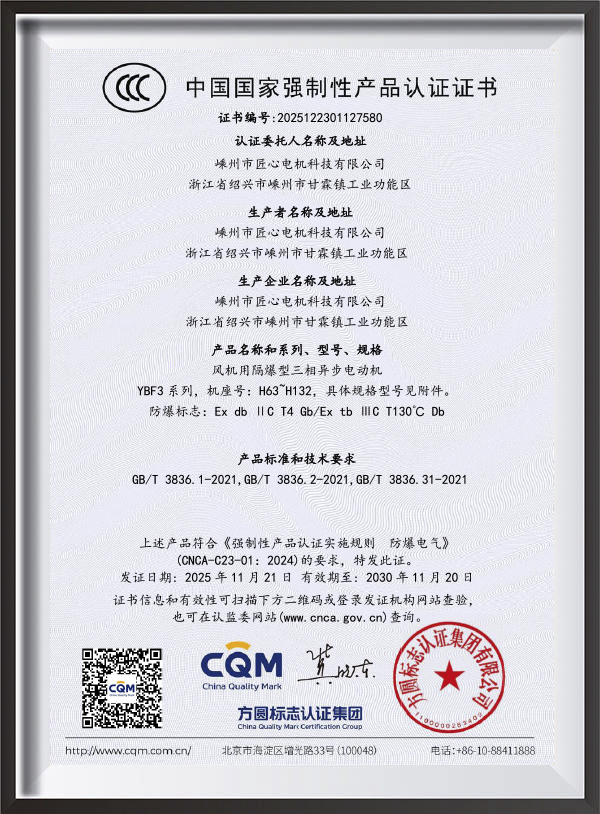
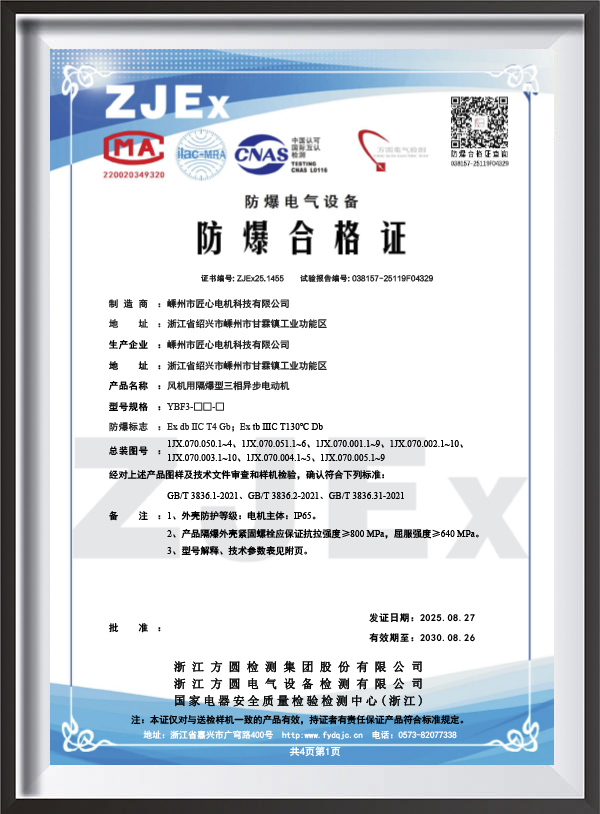
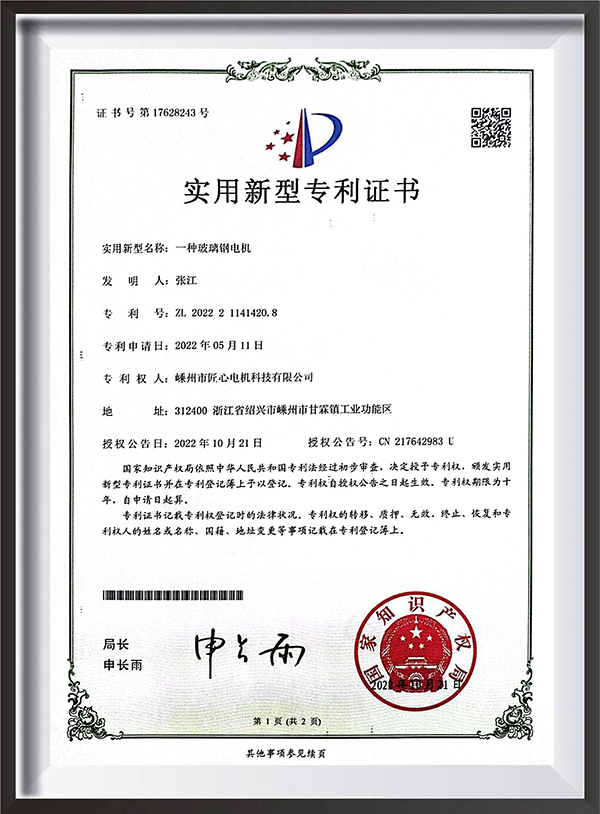
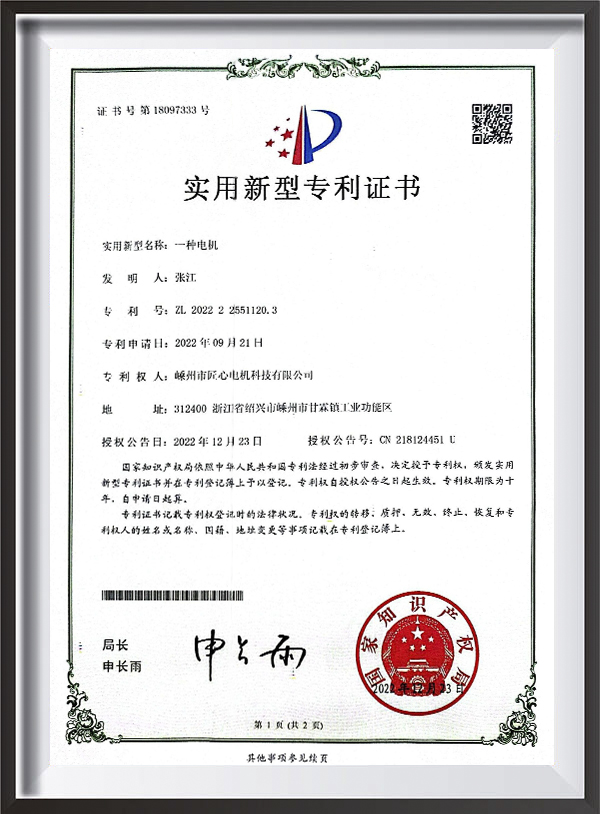
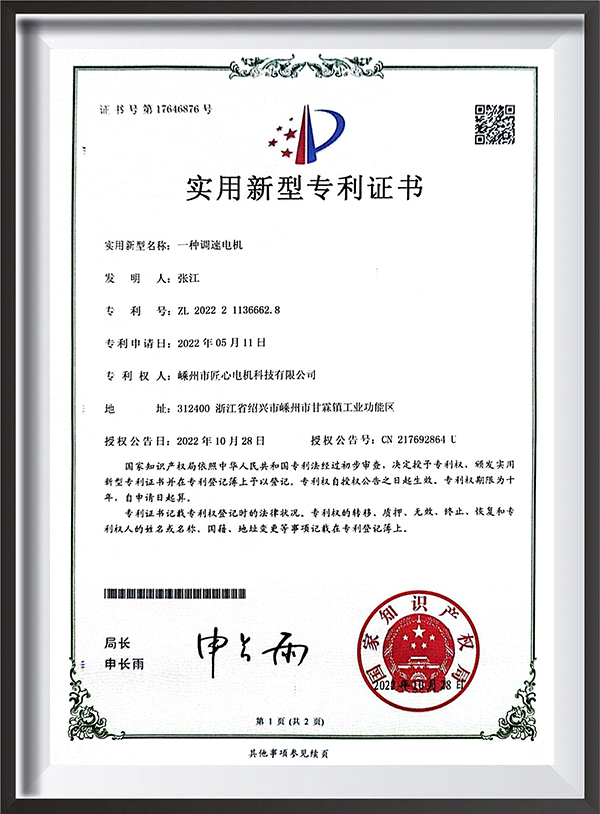
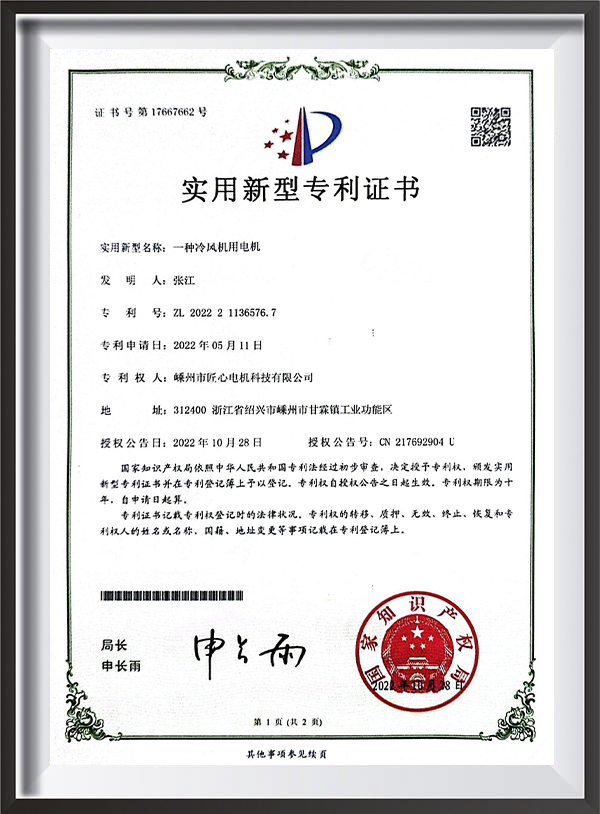
Jiangxin Motor holds CNIPA utility model patents for structural and performance improvements in micro, fan, and AC motors, showcasing our energy-saving expertise and commitment to reliable, high-efficiency solutions.
Message Feedback
Request a Quote
Tell us your requirements and our engineering team will get back to you.