


 English
 русский
 Español
 عربى
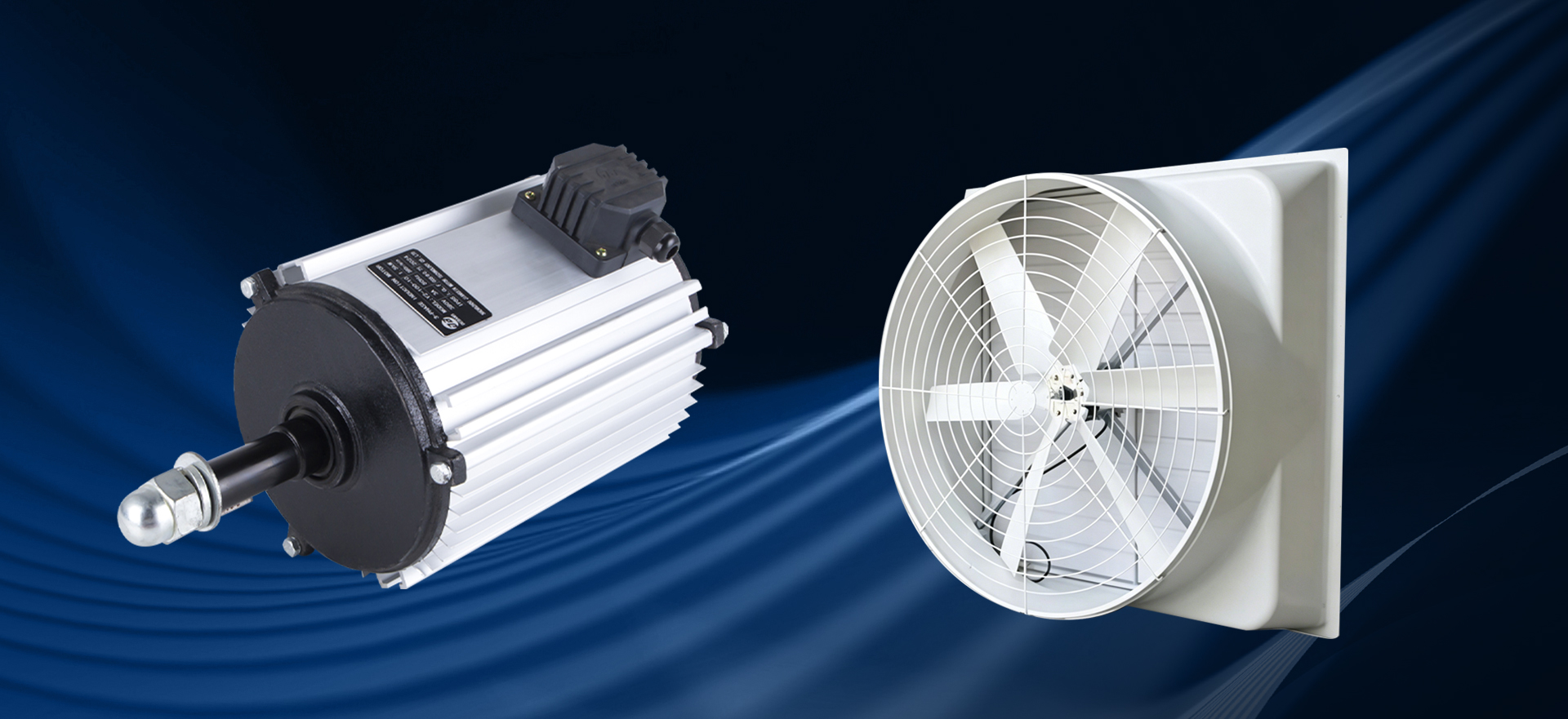
عربىPoultry House Fan Motor
-- Steady & Reliable Manufacturer --
Ventilation inside a poultry house is not a comfort feature the way it might be in a workshop or warehouse - it is a direct factor in bird health and survival, which changes how a Poultry House Fan Motor needs to be evaluated compared with general agricultural or industrial ventilation equipment. Birds in a densely populated house generate heat, moisture, and ammonia continuously, and the fan system removing that load has essentially no acceptable downtime during periods of high stocking density or extreme outside temperature.
Why Poultry House Air Quality Depends on Motor Reliability
Heat stress is a genuine welfare and mortality risk for poultry, and it develops quickly once ventilation falls behind the house's actual cooling need - considerably faster than the comfort-driven timeline that applies to most other ventilation applications on this site. A fan motor failure that would simply be an inconvenience in an office or workshop becomes an urgent, time-sensitive problem in a poultry house, which is why reliability and early-warning failure indicators matter more in this category than in most general ventilation contexts.
Ammonia buildup is the other major air-quality concern tied directly to ventilation performance. Ammonia from manure accumulates steadily inside a poultry house and needs continuous air exchange to stay within safe concentration levels for both bird respiratory health and worker safety during inspections. A ventilation system running below its intended capacity - because one or more fan motors are underperforming rather than completely failed - can let ammonia levels creep upward gradually in a way that is harder to notice than an outright fan failure but still meaningfully affects flock health over time.
Backup power and failure alerting are worth planning around specifically because of how quickly conditions can deteriorate once ventilation stops. Many poultry operations pair primary fan motors with backup generator capacity and audible or remote alarm systems precisely because a total ventilation failure during hot weather can become a welfare emergency within a much shorter window than most other equipment failures on a farm, which is part of why motor reliability itself - not just backup systems - remains the first line of defense in this application.
Corrosion and Dust Resistance for Livestock Ventilation Motors
Ammonia is directly corrosive to many common motor materials, and a poultry house environment combines that corrosive gas with high humidity and heavy organic dust from feathers, feed, and bedding material - a considerably more aggressive combination than the general outdoor dust exposure most ventilation motors are rated against. Motors specified for this application generally need corrosion-resistant coatings and sealing specifically evaluated against ammonia exposure, not just a standard IP dust and moisture rating that says nothing about chemical resistance.
Sizing Fans for Tunnel Ventilation Systems
Modern poultry houses commonly use tunnel ventilation - a row of large fans at one end of the building pulling air lengthwise through the entire house - which places sustained, continuous demand on every motor in the row rather than intermittent operation. Fan and motor sizing for this configuration depends on total house volume, target air exchange rate, and outside climate extremes, and undersizing even a portion of the fan row can leave the whole system unable to maintain target temperature during the hottest part of a summer day, regardless of how well the remaining fans perform individually.
For poultry equipment manufacturers and large-scale operations sourcing fan motors across many houses, batch consistency in corrosion resistance and airflow output matters as much as any single unit's performance, since a fleet of motors that ages unevenly creates uneven ventilation across a facility - and in poultry operations specifically, that unevenness translates directly into inconsistent flock conditions rather than a minor comfort variation.
Maintenance access is a practical detail worth confirming alongside the motor specification itself, since tunnel ventilation fans are often mounted at height or in positions that make routine inspection more time-consuming than a typical indoor ventilation motor. A motor built for straightforward bearing inspection and lubrication access, rather than one that requires significant disassembly for basic maintenance, reduces both the labor cost and the temptation to skip routine checks that catch early corrosion or wear before it becomes an unplanned failure during the peak growing season when replacement lead time matters most.
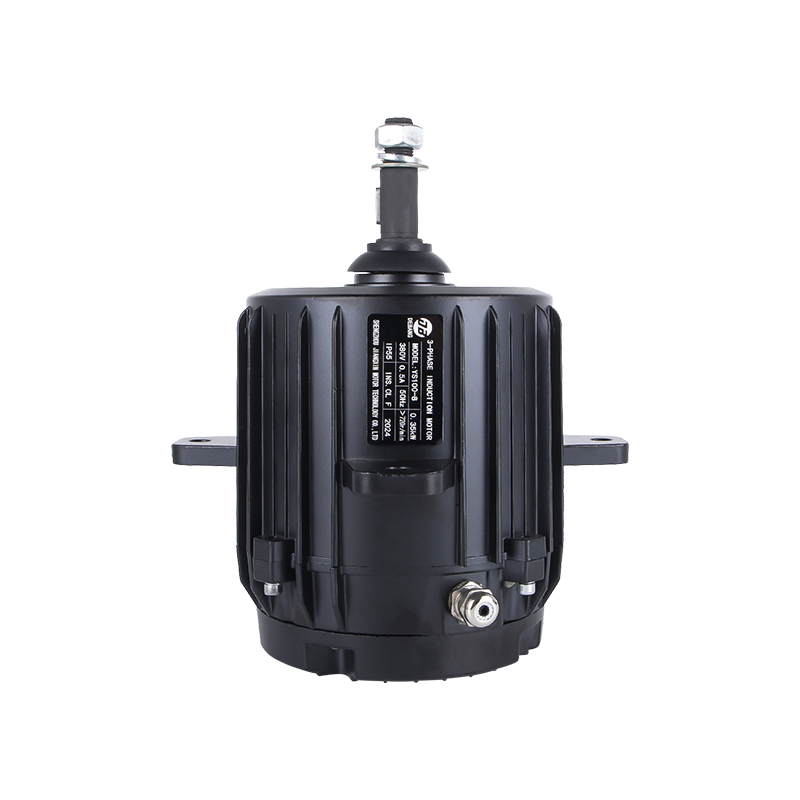
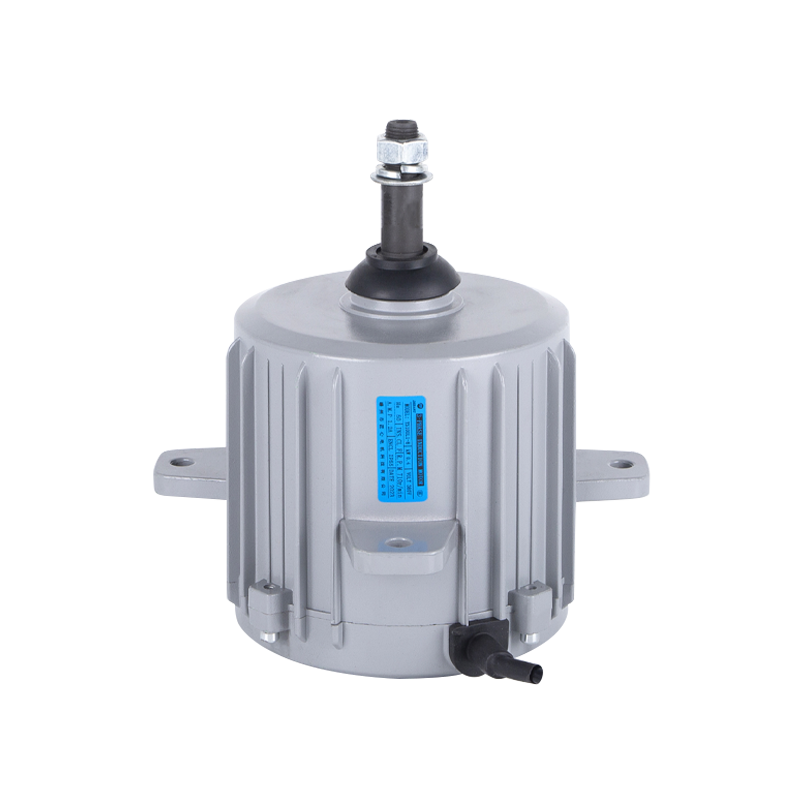
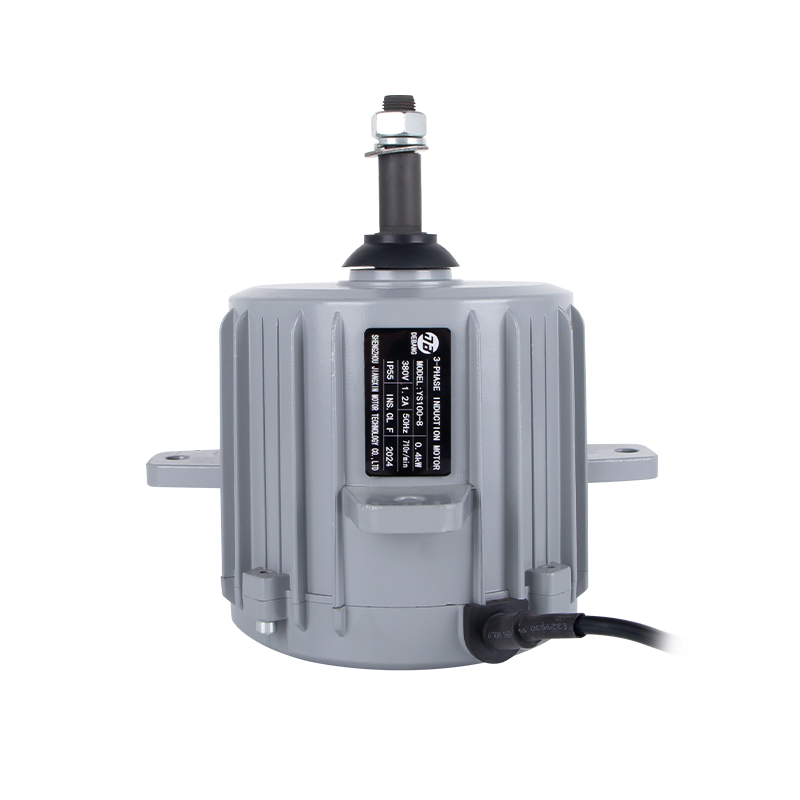


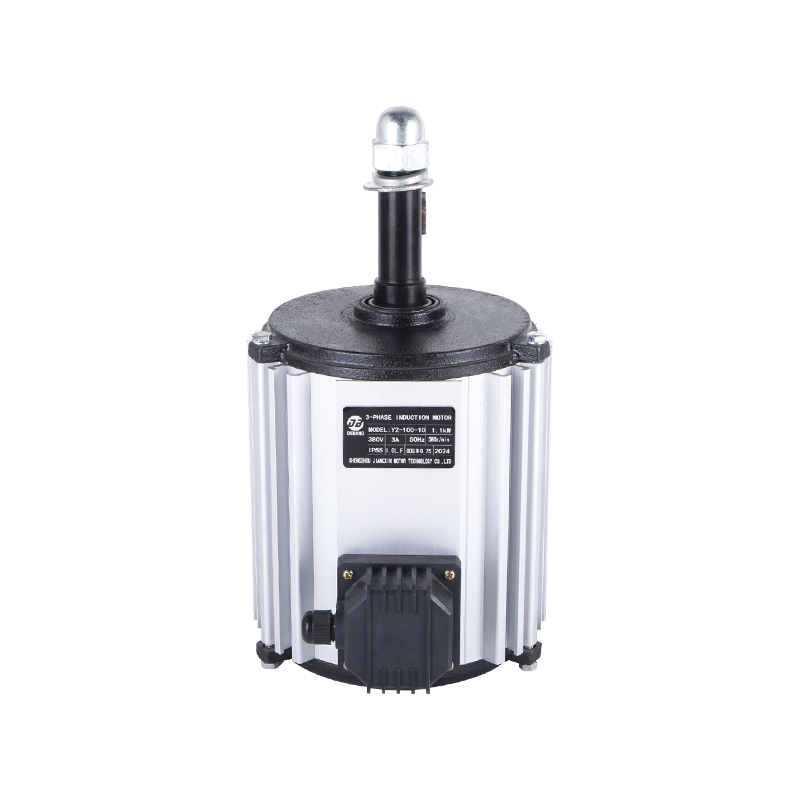
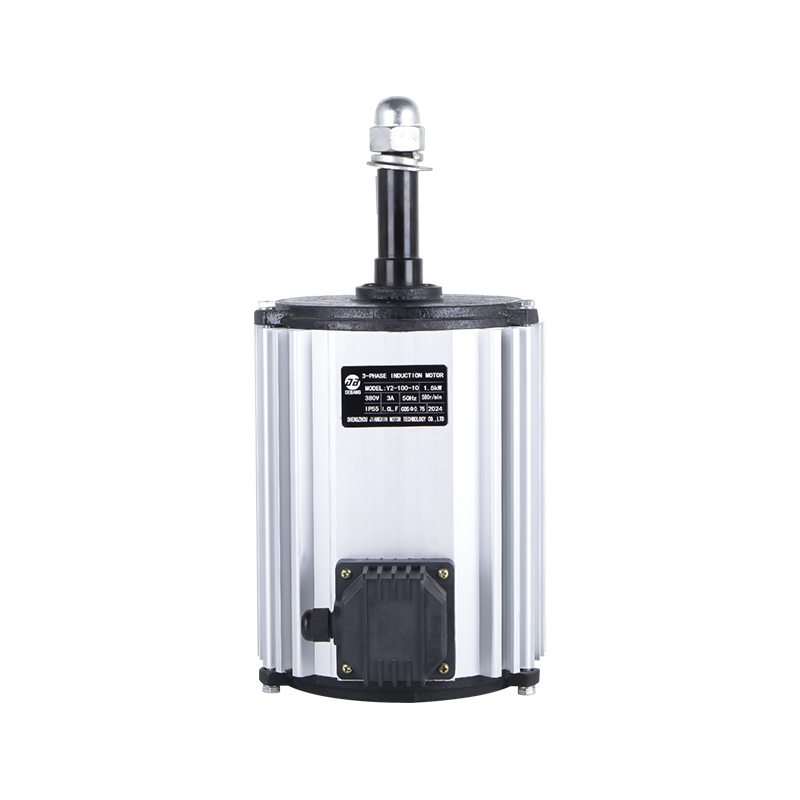


Specifications
| Parameter | Typical Range |
|---|---|
| Motor Type | EC or AC ventilation fan motor, livestock duty rated |
| Protection Rating | IP54 / IP55 with ammonia-resistant coating |
| Duty Cycle | Continuous, tunnel-ventilation rated |
| Control Interface | PWM, 0-10V, or climate-controller linked |
| Bearing Type | Sealed ball bearing for dust and moisture resistance |
| Fan Diameter | Custom, matched to tunnel ventilation row spacing |
Applications
- Tunnel Ventilation Systems - continuous-duty motors for large fan rows moving air the length of a poultry house.
- Brooder and Grow-Out Houses - reliable climate control during the periods most critical to bird welfare.
- Livestock and Animal Housing - corrosion-resistant motors suited to ammonia and organic dust exposure beyond poultry alone.
- Poultry Equipment Manufacturers - fan motors specified and tested for a manufacturer's own ventilation systems.
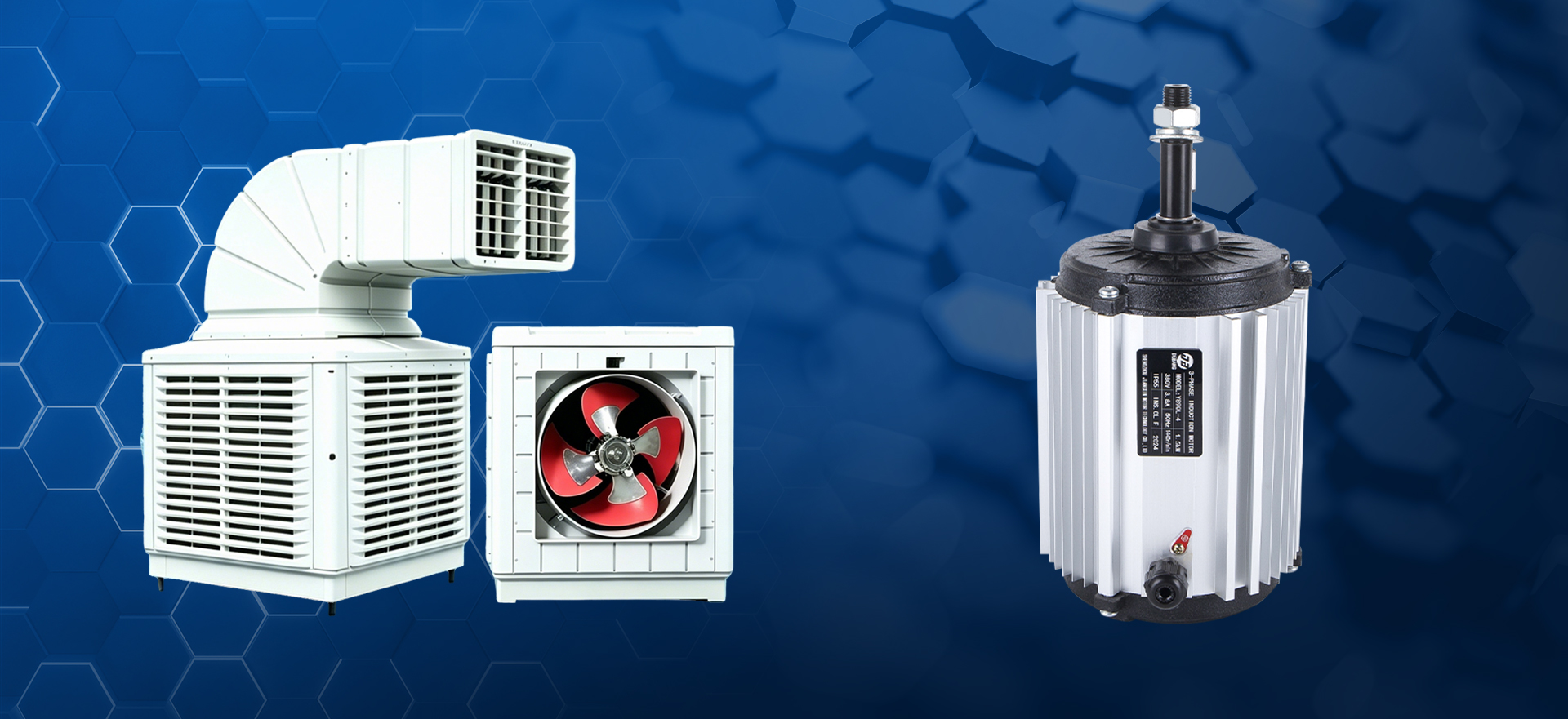
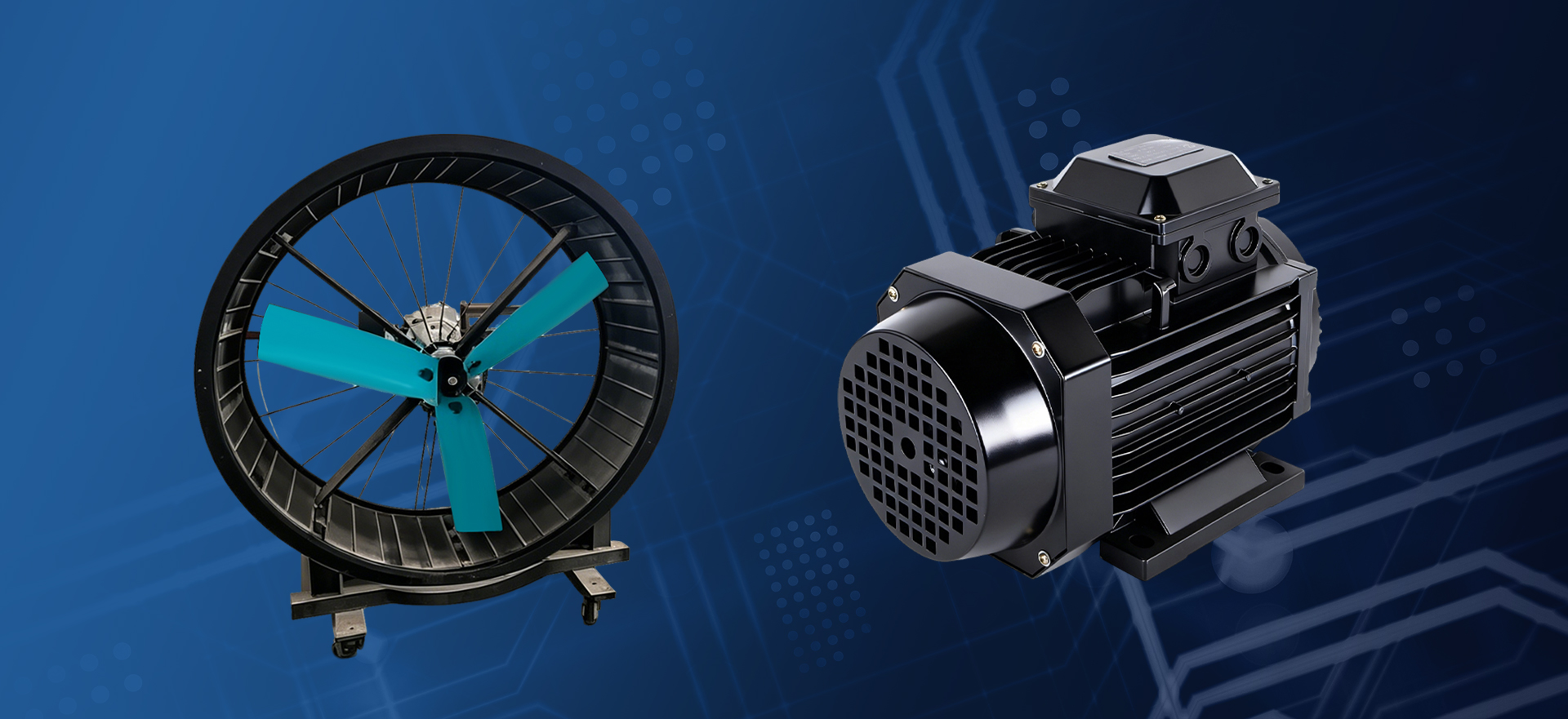
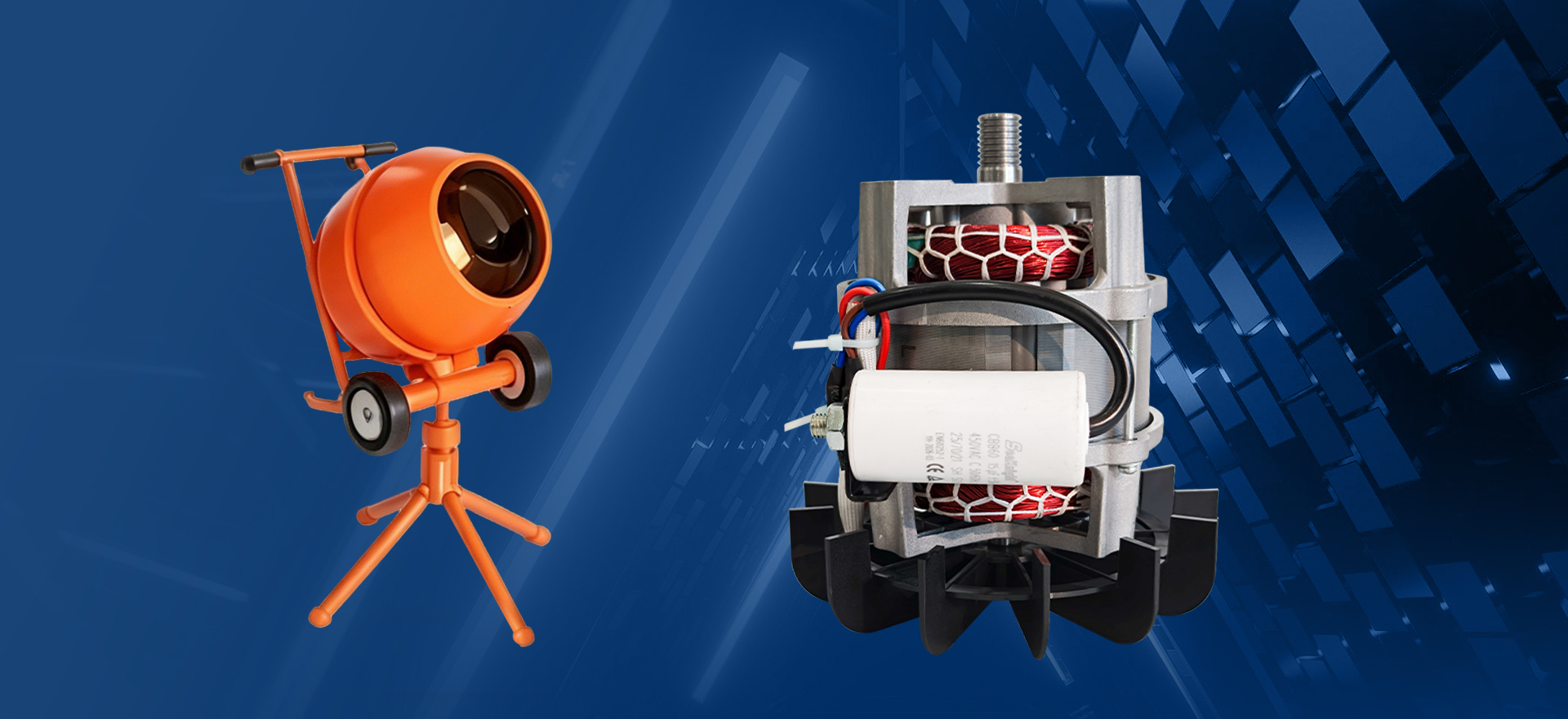
Manufacturing Capability
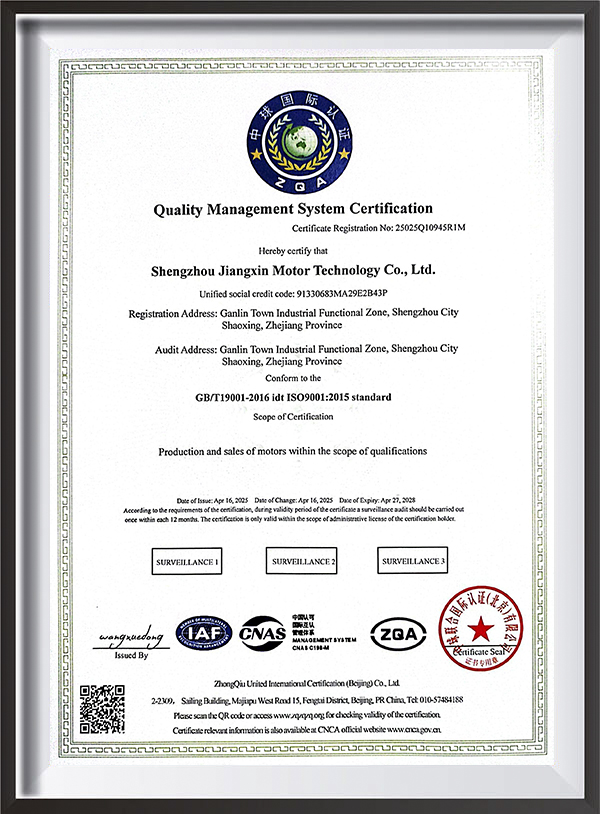
Fan motors have been part of our product range since Shengzhou Jiangxin Motor Technology Co., Ltd. began operations in 2017, and poultry house variants are built on that same manufacturing base at our facility in Shengzhou, Zhejiang, within the Yangtze River Delta industrial cluster, with additional attention to corrosion resistance specific to ammonia exposure. High-precision winding equipment and complete in-house testing instruments support consistent production, and our ISO 9001 certified quality system helps ensure that corrosion protection and sealing performance do not vary from one production batch to the next - a detail that matters more in this category than in general indoor ventilation, where an inconsistent batch simply would not be caught until failures start appearing across a poultry operation's fleet of fans.
- In-house application of ammonia-resistant coatings and sealed bearing assemblies
- Extended duty-cycle testing to simulate continuous tunnel-ventilation operation
- Corrosion testing under simulated ammonia and organic dust exposure
- Airflow verification across the fan sizes used in tunnel ventilation rows
Customization
Producing customized motors is a stated part of our business alongside standard catalog products, and poultry ventilation projects typically draw on that capability given how much house size, stocking density, and regional climate can vary between operations. Exporting to more than 60 countries has given us experience configuring fan motors for a wide range of livestock housing standards and climate conditions, and our CE certification supports deployment into markets with defined equipment safety requirements for agricultural equipment. Multiple national utility model patents covering structural and performance improvements are applied where relevant to sealing and corrosion-resistance design for this category.
- Corrosion-resistant coating level adjusted for your specific ammonia and humidity exposure
- Fan diameter and airflow output sized to your house volume and tunnel configuration
- Control interface matched to your climate controller system
- Sample development typically completed within 7-15 business days
Ordering Process
- Step 1. Share your house volume, target air exchange rate, and climate control setup
- Step 2. Engineering proposes a fan and motor specification
- Step 3. Sample production and corrosion / duty-cycle testing
- Step 4. Sample approval and quotation confirmation
- Step 5. Mass production and pre-shipment inspection
Standard payment terms are T/T with a deposit before production and balance before shipment; L/C is accepted for larger orders.
About jiangxin
SHENGZHOU JIANGXIN MOTOR TECHNOLOGY CO., LTD.
Shengzhou Jiangxin Motor Technology Co., Ltd., established in 2017, is a professional manufacturer dedicated to the R&D, production and sales of high-quality AC/DC motors and micro motors. Based in Shengzhou, Zhejiang, we enjoy a convenient location and superior industrial support in the Yangtze River Delta.
As China Poultry House Fan Motor Manufacturers and Poultry House Fan Motor Factory, we own modern production facilities, advanced automated equipment and a professional R&D team, and have been recognized as a provincial-level technology enterprise. With strict quality control systems and strong innovation capabilities, we focus on producing reliable, energy-efficient and long-lasting motors.
Our main products include evaporative air cooler motors, industrial heater motors, oil pump motors and customized motors, which are widely used in environmental protection equipment, industrial heating, hydraulic systems and other fields. Our products are exported to more than 60 countries and regions around the world.
Adhering to the spirit of craftsmanship and customer-oriented service, we continue to provide stable products and professional solutions. We are committed to becoming a trusted partner in the global motor industry and creating long-term value for customers.
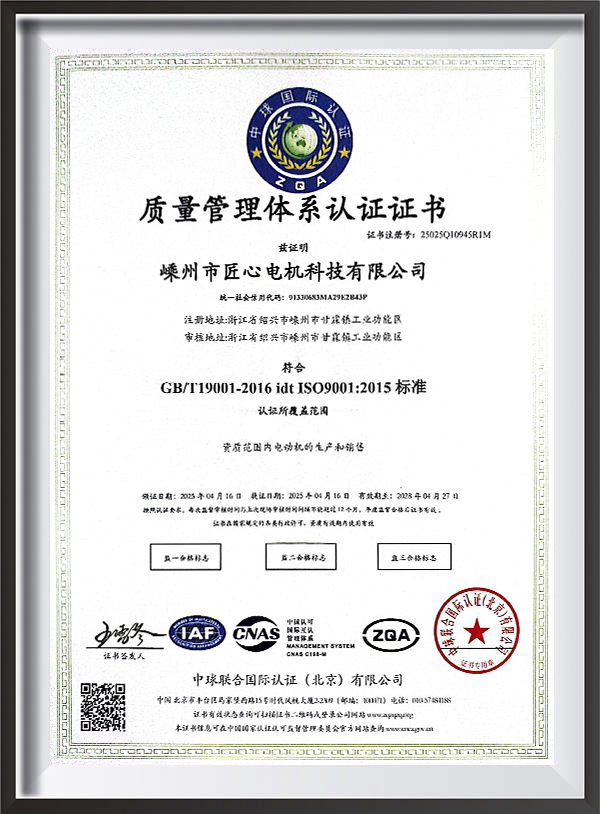
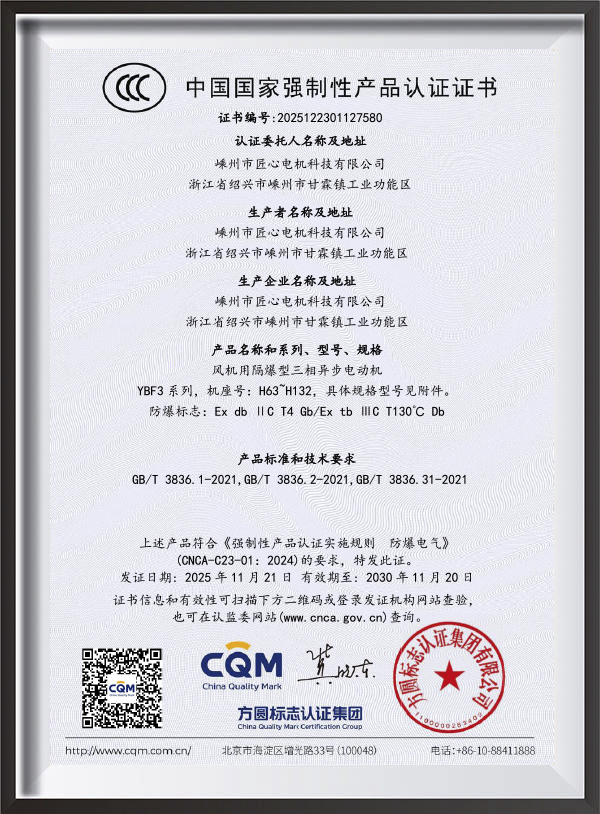
Certificate Of Honor
View More Certificates
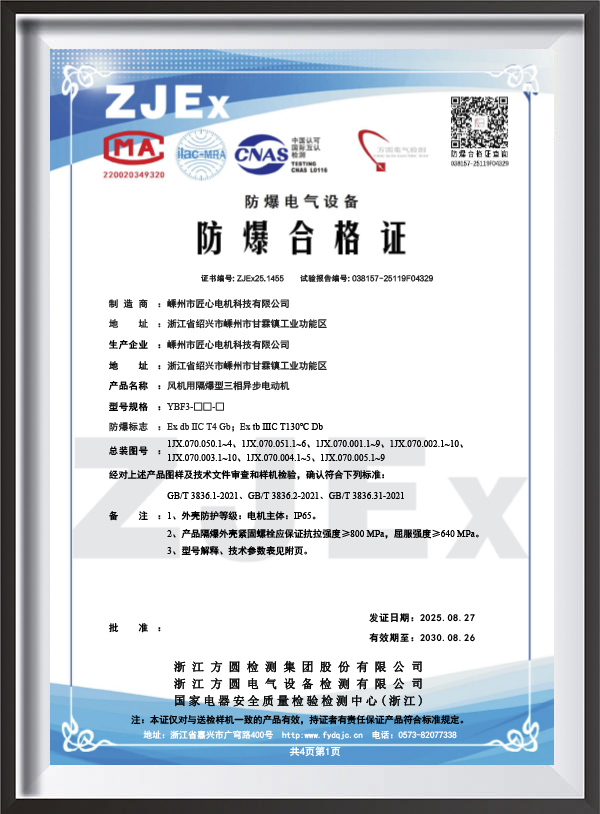
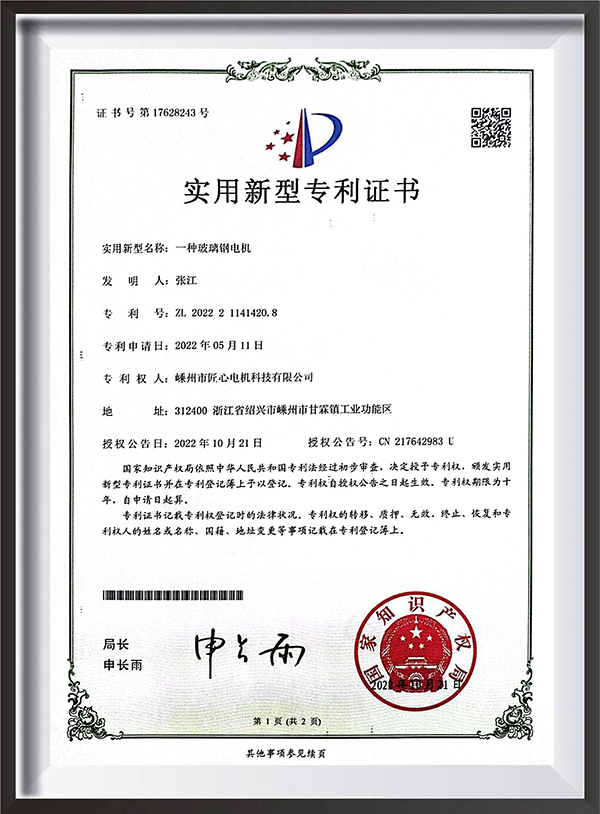
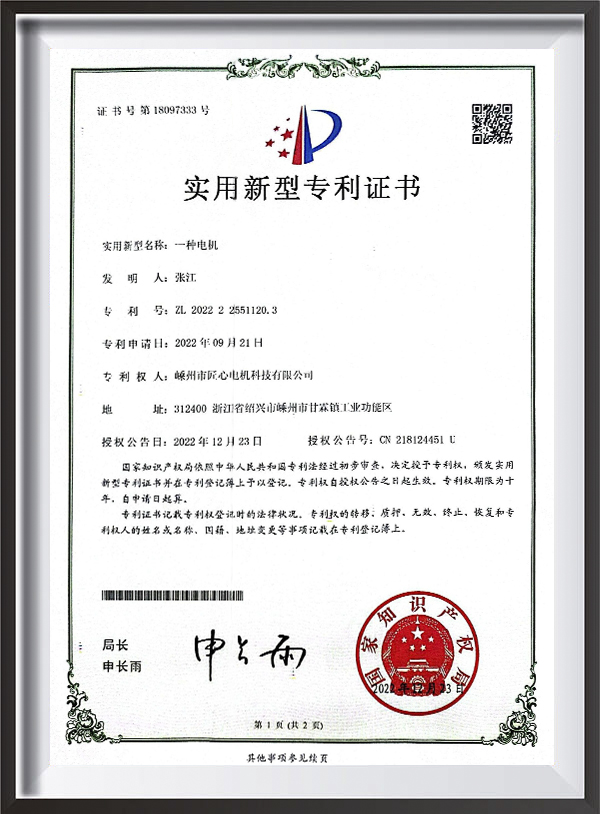
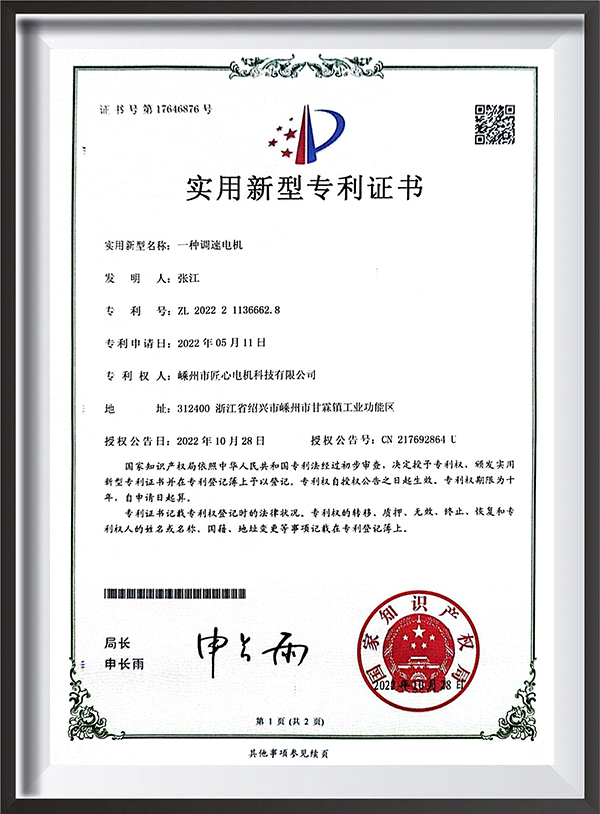
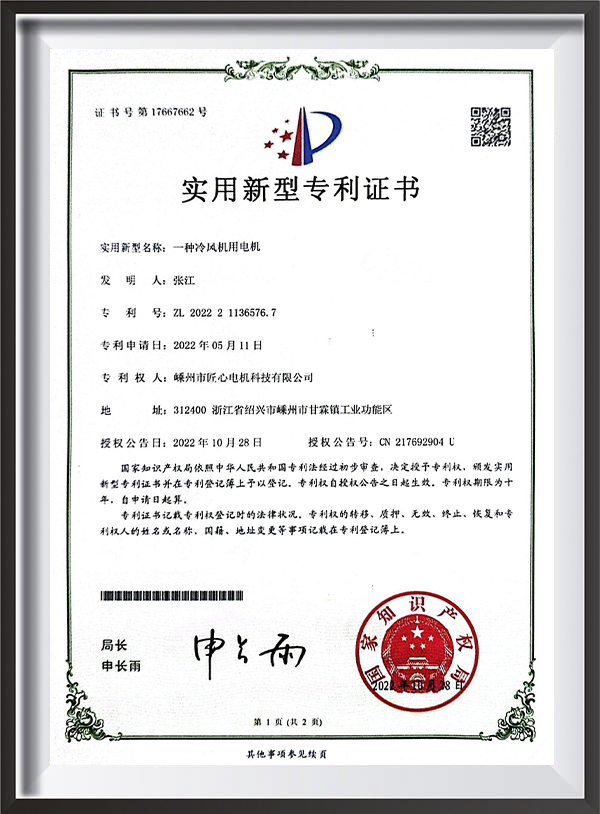
Jiangxin Motor holds CNIPA utility model patents for structural and performance improvements in micro, fan, and AC motors, showcasing our energy-saving expertise and commitment to reliable, high-efficiency solutions.
Message Feedback
Request a Quote
Tell us your requirements and our engineering team will get back to you.