


 English
 русский
 Español
 عربى
عربىEC Axial Fan Motor
-- Steady & Reliable Manufacturer --
An axial fan moves air in a straight line, parallel to the motor shaft - the same basic layout as a household desk fan or an aircraft propeller - which sets it apart from a centrifugal fan, where air enters along the shaft and is thrown outward at a right angle by a spinning wheel. That difference in airflow path is not just a mechanical detail; it defines what an axial fan is good at and where it falls short, and getting that match right is the first decision in specifying any fan motor, before voltage, speed, or control interface even enter the conversation.
Axial fans excel at moving large volumes of air against low resistance, which is exactly the situation inside an open equipment enclosure, across a heat sink, or through a lightly obstructed vent opening. This makes them the standard choice for cooling electronics cabinets, telecom equipment, server enclosures, power supplies, and condenser or heat-exchanger surfaces, anywhere the goal is to keep air circulating across a hot surface rather than push it through a long, restrictive duct run. Where a system has to overcome significant static pressure - a long duct, a fine filter, or a tightly packed heat exchanger core - a centrifugal fan is usually the better-suited choice, since axial fans lose airflow output quickly as resistance increases.
EC (electronically commutated) motor technology pairs particularly well with axial fan design for a few concrete reasons. The compact, flat profile that EC motors allow suits the shallow depth most axial fan housings are built around, unlike a bulkier AC motor that can add unwanted depth to an already space-constrained design. EC motors also maintain reasonable efficiency across a wide speed range rather than only at one rated point, which matters for axial fans that are frequently run at partial speed to balance cooling performance against noise and power draw rather than always running flat out.
Speed control is where EC axial fans differentiate themselves most clearly from older AC axial fan designs. A PWM or 0-10V input lets the fan speed track a temperature sensor or a system controller directly, so the fan runs quietly at low speed under light thermal load and ramps up automatically as heat builds, rather than running at a single fixed speed regardless of actual cooling need. For equipment where noise is a specification - telecom cabinets in occupied spaces, for example - this speed-following behavior is often the deciding factor in choosing EC over a fixed-speed AC axial fan, independent of any efficiency argument.
For equipment that cannot tolerate a cooling failure without risking the components it protects - telecom base stations and server racks are the clearest examples - lifespan rating deserves more attention than it typically gets during specification. An MTBF (mean time between failures) figure or an L10 bearing life rating gives a concrete basis for comparing fan options beyond airflow and noise alone, and it is worth asking a supplier for this data directly rather than assuming all EC axial fans in a given size and airflow class will hold up equally well under years of continuous operation. Equipment designers building in redundant fan arrays, where a second fan compensates if one fails, still benefit from starting with the longer-rated component, since redundancy is meant as a backstop rather than a substitute for component reliability.
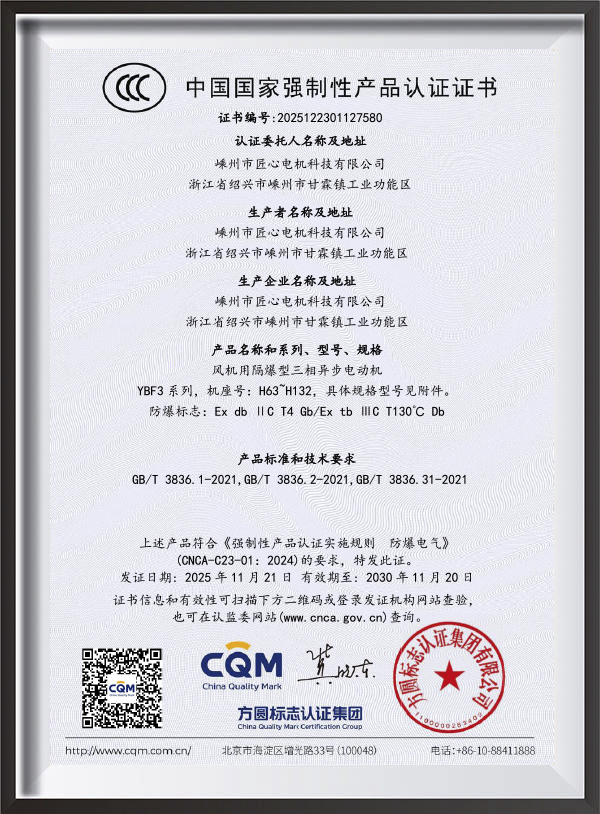
Electrical safety certification is frequently a hard requirement rather than a preference in this category, since axial fans destined for electronics and telecom equipment are often sold into markets with specific compliance rules for components used inside powered enclosures. Confirming which certifications - and which specific certification body - a given market requires before finalizing a fan specification avoids a late-stage surprise where an otherwise suitable fan cannot actually be used in the finished product without additional testing or redesign.
Integrating an EC axial fan into a larger piece of equipment raises a few specification questions that are easy to overlook until late in a project. Airflow direction - whether the fan pulls air in or pushes air out through the housing - needs to match the intended cooling path through the enclosure, and reversing this after a design is finalized usually means a different fan model rather than a simple wiring change. Mounting orientation also affects bearing life over the long run, since a fan mounted with its shaft vertical experiences a different load distribution on its bearings than one mounted horizontally, which matters more for continuous-duty industrial equipment than for occasionally-run consumer devices.
For OEMs integrating axial fan motors into equipment at volume, the sourcing conversation typically centers on matching a documented airflow and noise curve across the fan's full speed range, rather than a single rated-speed data point - since equipment designers need to know how a fan behaves at 30% and 60% speed just as much as at 100%, given how often EC fans run below their maximum output in real deployments.


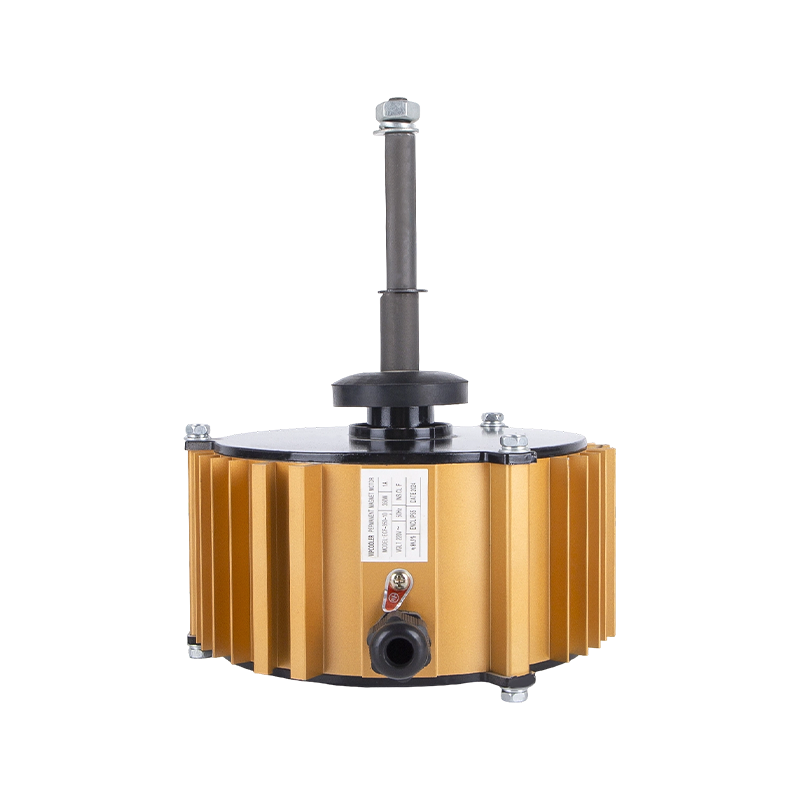
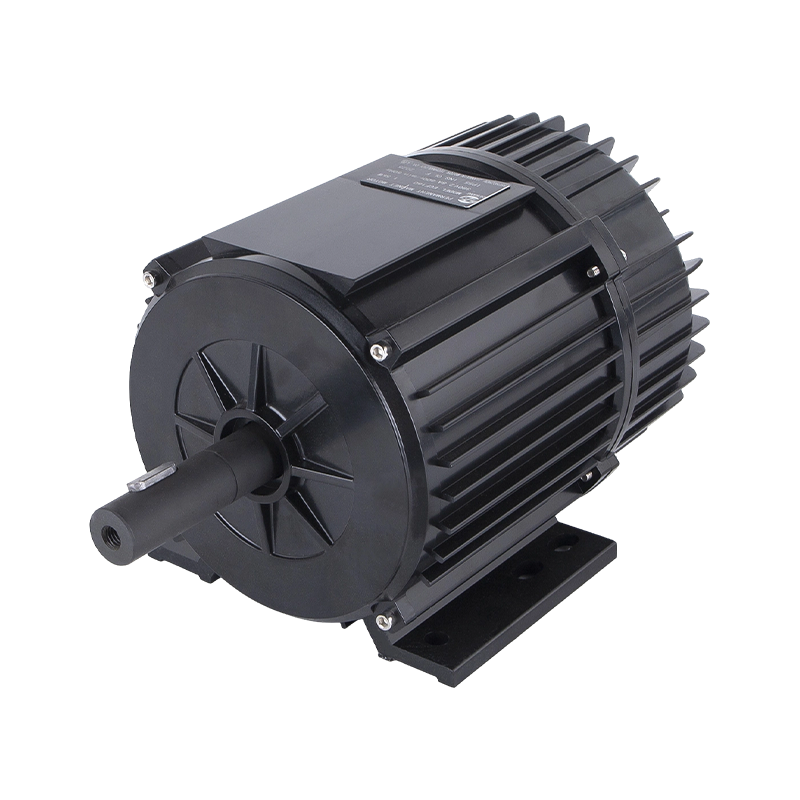


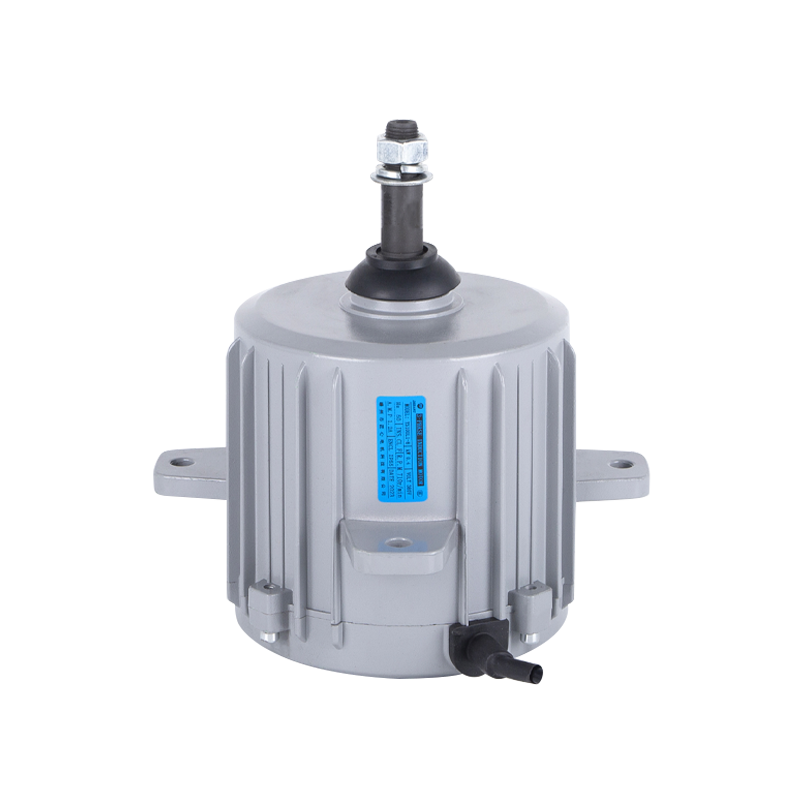
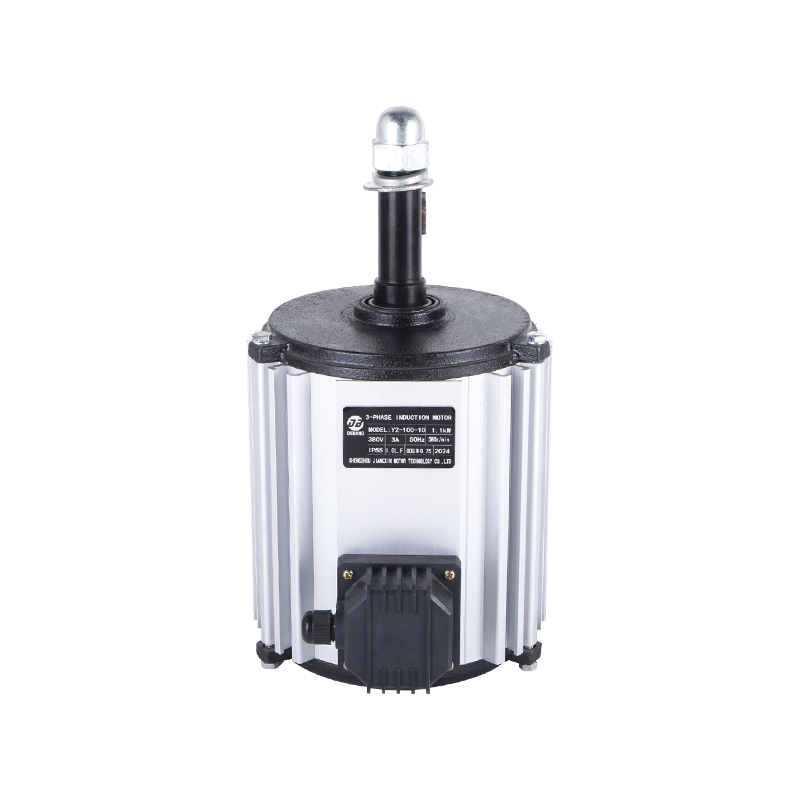
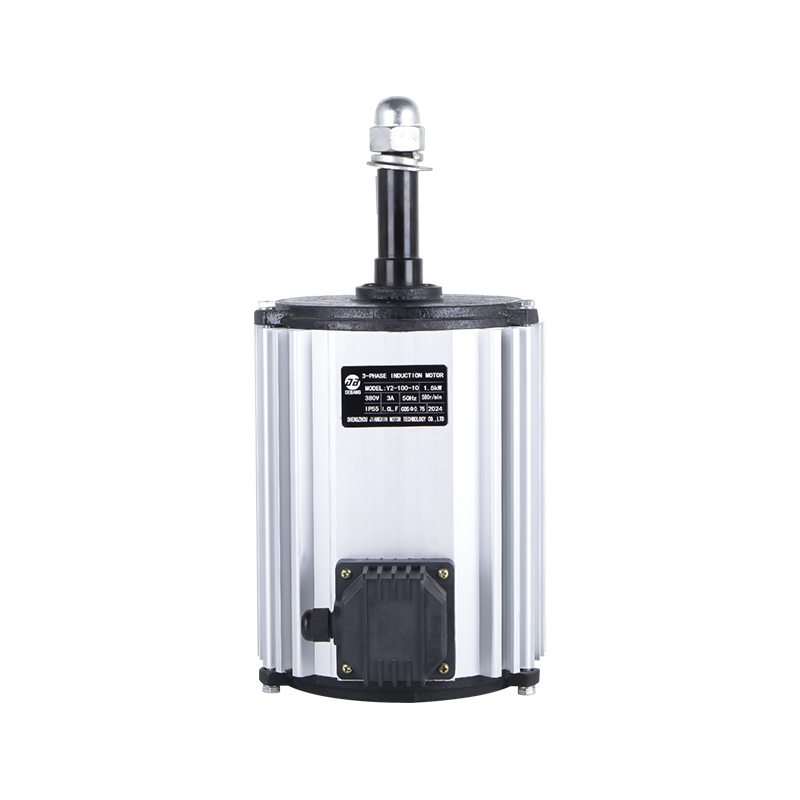
Specifications
| Parameter | Typical Range |
|---|---|
| Motor Type | EC (electronically commutated) axial fan motor |
| Input Voltage | DC 12V / 24V / 48V, AC 110-240V with built-in driver |
| Control Interface | PWM, 0-10V, or thermostat-linked speed control |
| Airflow Direction | Intake or exhaust - specify at order |
| Frame Size | Custom, matched to your enclosure cutout |
| Bearing Type | Ball bearing (continuous duty) or sleeve bearing (cost-sensitive) |
Applications
- Electronics and Server Cabinet Cooling - low-resistance airflow across circuit boards and internal components.
- Telecom and Network Equipment - speed-following operation for quiet performance in occupied spaces.
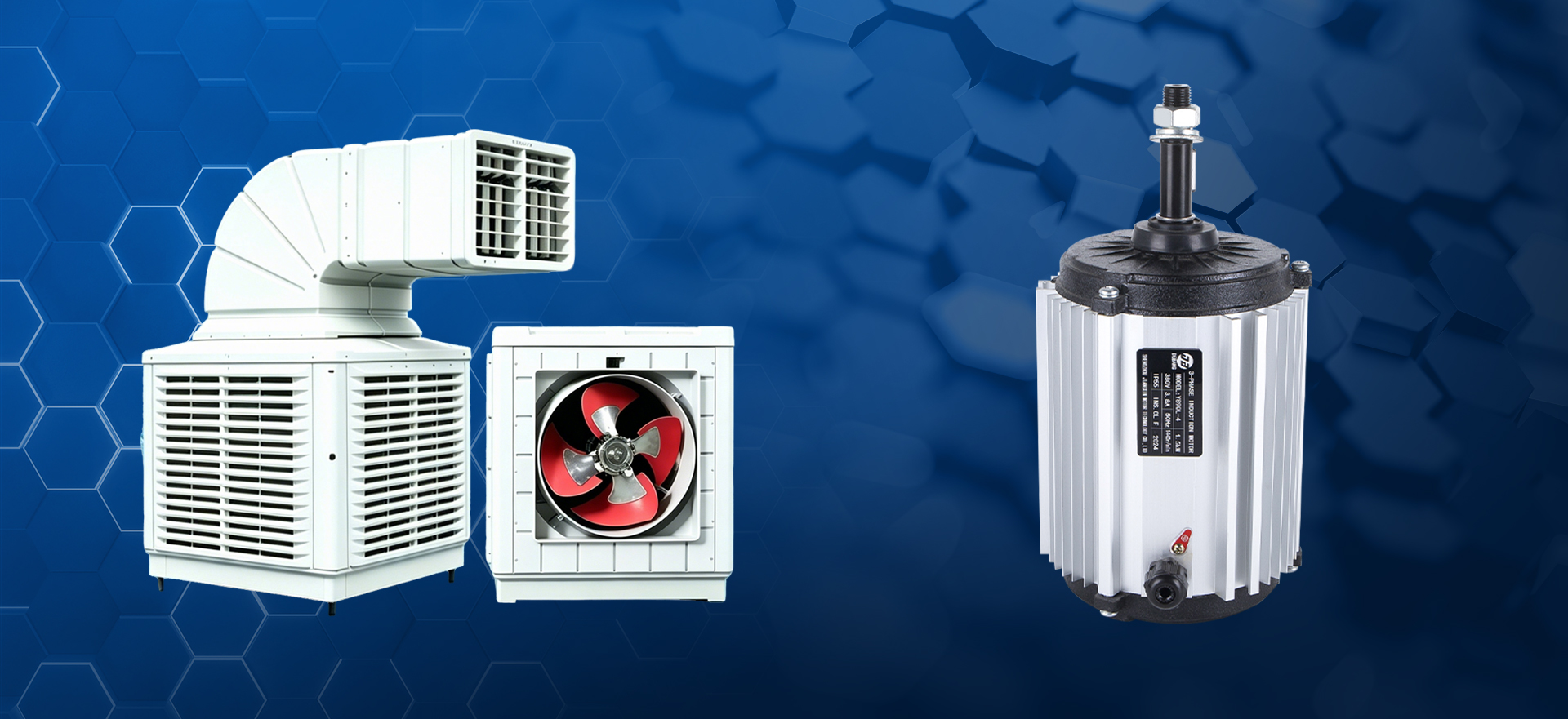
- Condenser and Heat Exchanger Cooling - continuous-duty airflow across finned coil surfaces.
- Industrial Equipment Panels - compact, flat-profile cooling for space-constrained enclosure designs.
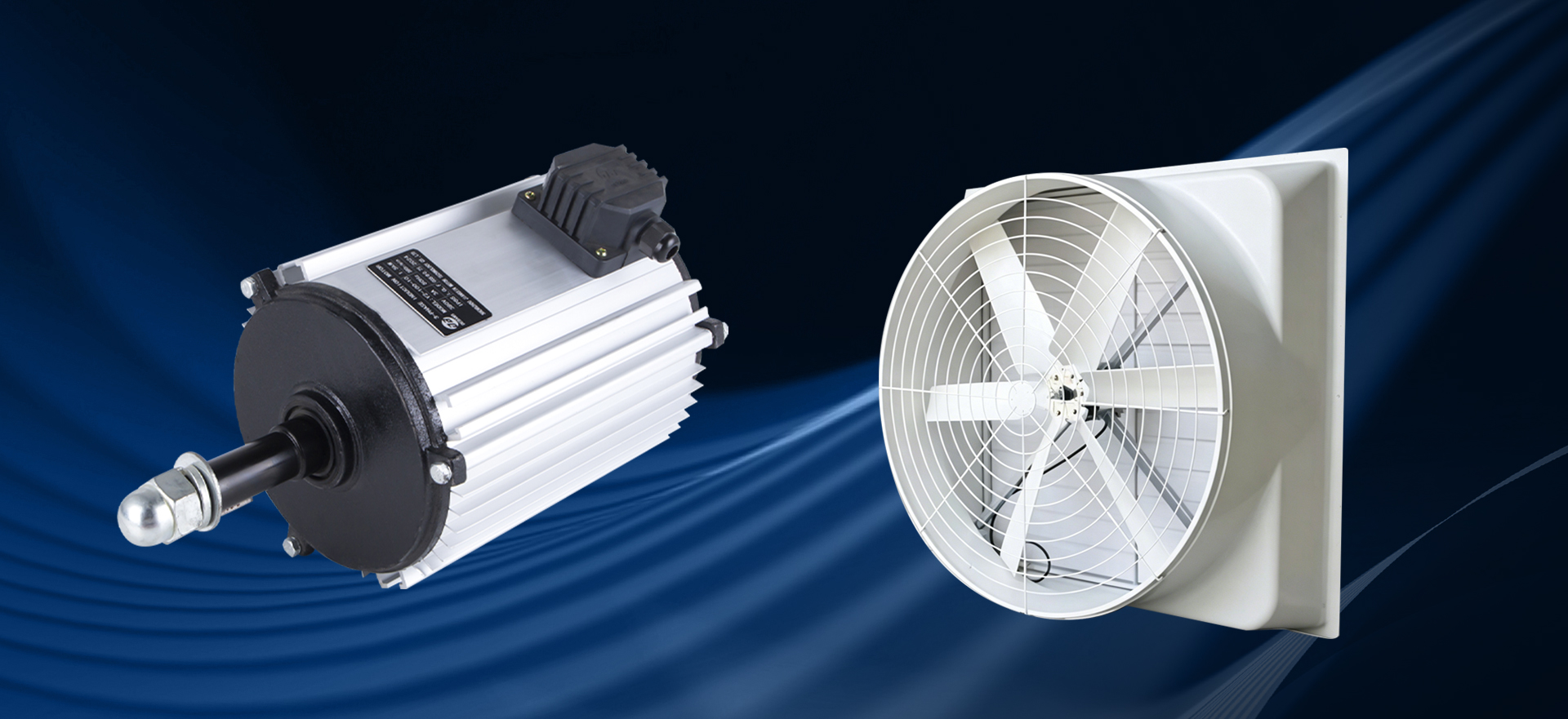
Manufacturing Capability
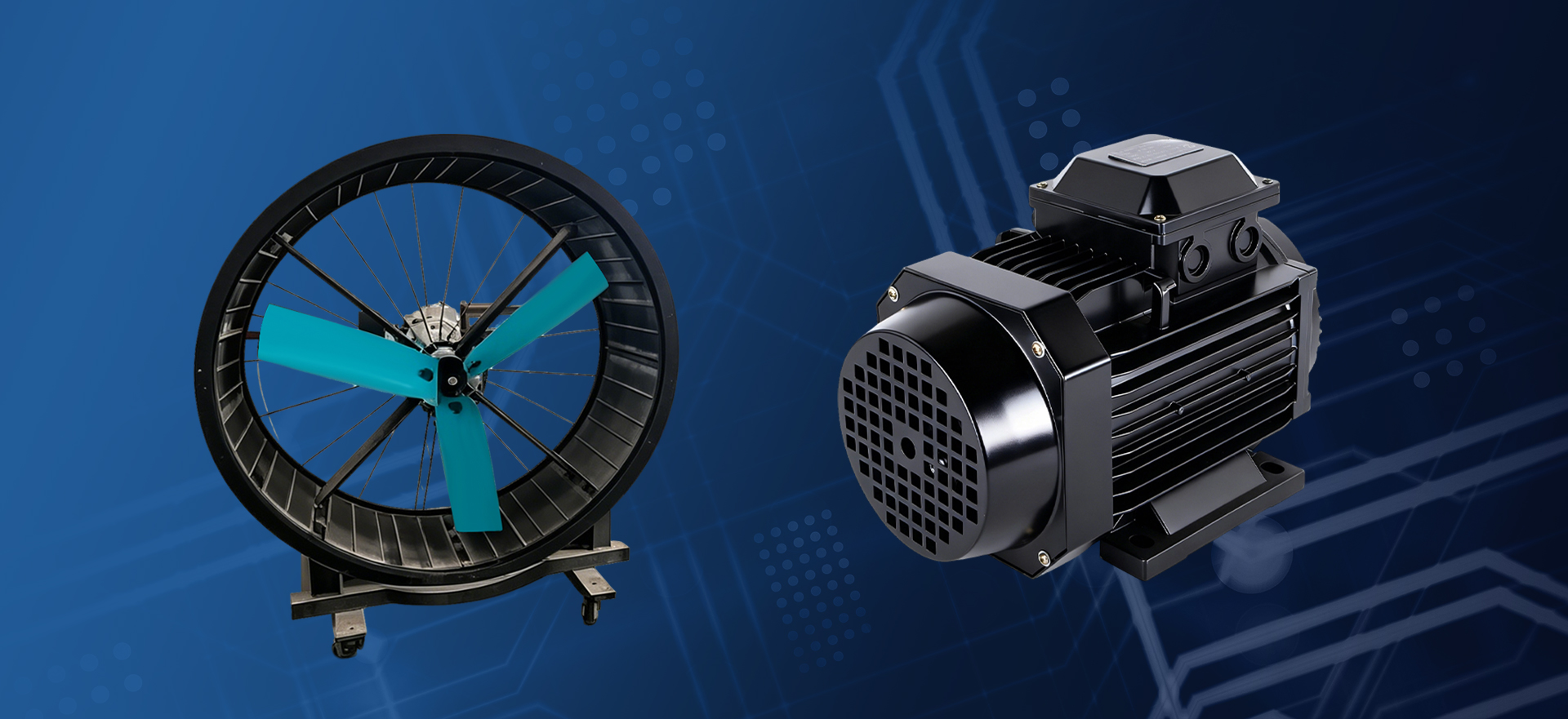
An axial fan's airflow and noise figures are only meaningful if they hold across its full speed range, not just at one rated point, so testing is done across the operating curve on our own lines rather than at a single benchmark speed.
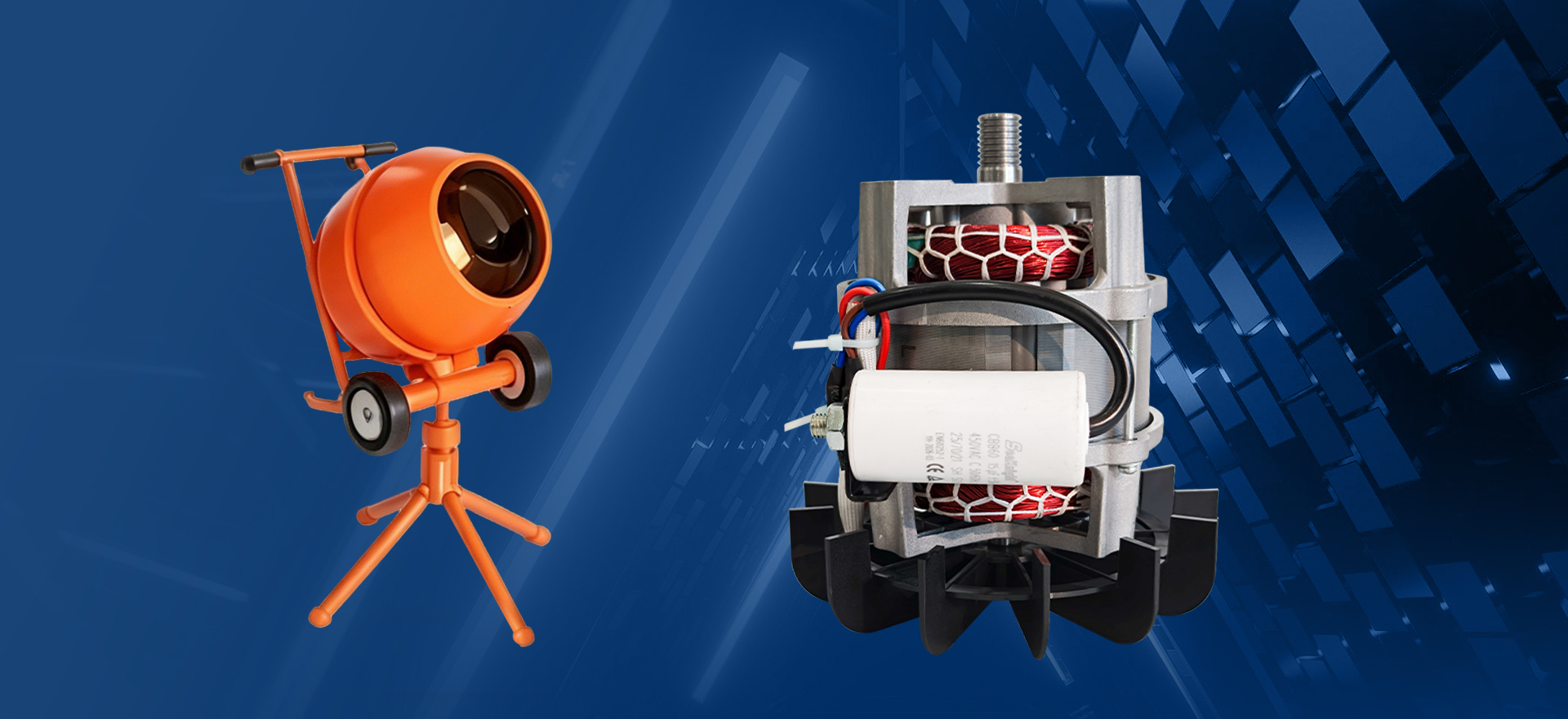
- In-house EC control-board integration and winding
- Airflow and noise testing across the full speed range, not one rated point
- Dynamic balancing on every finished impeller
- Burn-in testing to confirm bearing performance under continuous duty
Customization
Axial fan integration projects are usually driven by enclosure geometry and thermal targets, so specification typically starts from your cutout size and airflow requirement.
- Frame size and depth matched to your enclosure cutout
- Airflow direction (intake or exhaust) configured for your cooling path
- Control interface matched to your system controller: PWM, 0-10V, or thermostat input
- Sample development typically completed within 7-15 business days
Ordering Process
- Step 1. Share your enclosure cutout, target airflow, and control interface
- Step 2. Engineering confirms feasibility and proposes a specification
- Step 3. Sample production and airflow/noise curve testing
- Step 4. Sample approval and quotation confirmation
- Step 5. Mass production and pre-shipment inspection
Standard payment terms are T/T with a deposit before production and balance before shipment; L/C is accepted for larger orders.
About jiangxin
SHENGZHOU JIANGXIN MOTOR TECHNOLOGY CO., LTD.
Shengzhou Jiangxin Motor Technology Co., Ltd., established in 2017, is a professional manufacturer dedicated to the R&D, production and sales of high-quality AC/DC motors and micro motors. Based in Shengzhou, Zhejiang, we enjoy a convenient location and superior industrial support in the Yangtze River Delta.
As China EC Axial Fan Motor Manufacturers and EC Axial Fan Motor Factory, we own modern production facilities, advanced automated equipment and a professional R&D team, and have been recognized as a provincial-level technology enterprise. With strict quality control systems and strong innovation capabilities, we focus on producing reliable, energy-efficient and long-lasting motors.
Our main products include evaporative air cooler motors, industrial heater motors, oil pump motors and customized motors, which are widely used in environmental protection equipment, industrial heating, hydraulic systems and other fields. Our products are exported to more than 60 countries and regions around the world.
Adhering to the spirit of craftsmanship and customer-oriented service, we continue to provide stable products and professional solutions. We are committed to becoming a trusted partner in the global motor industry and creating long-term value for customers.
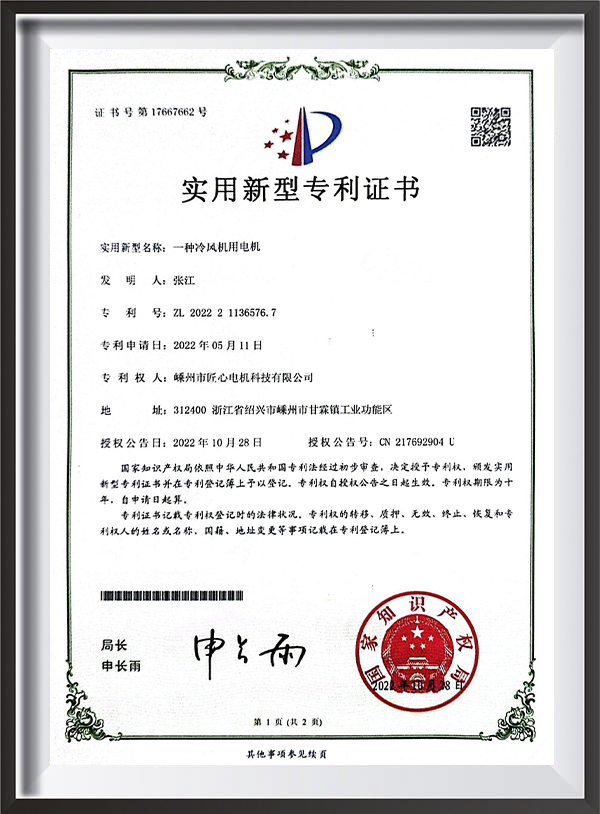
Certificate Of Honor
View More Certificates
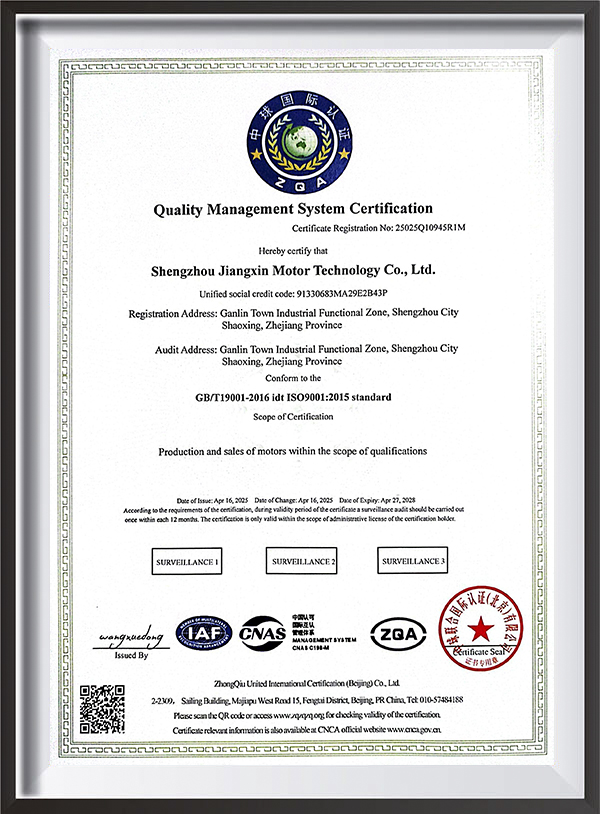
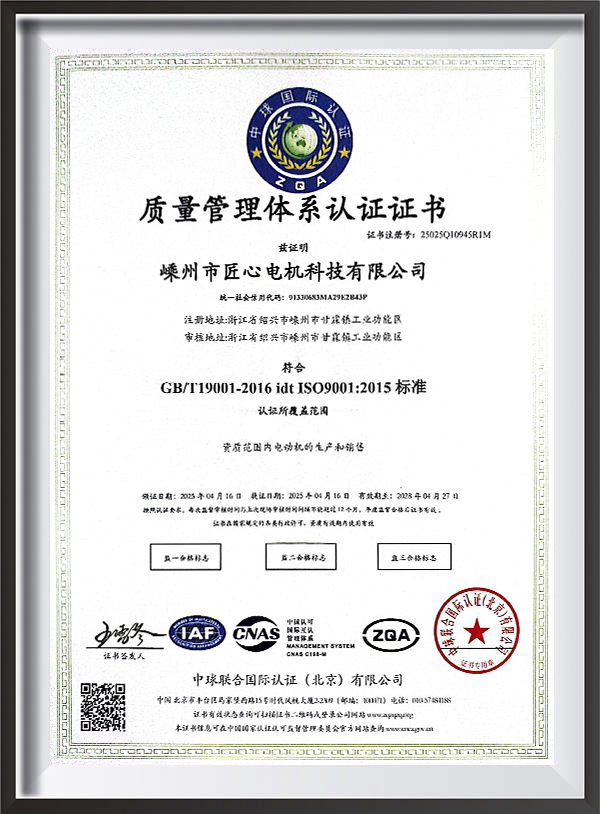
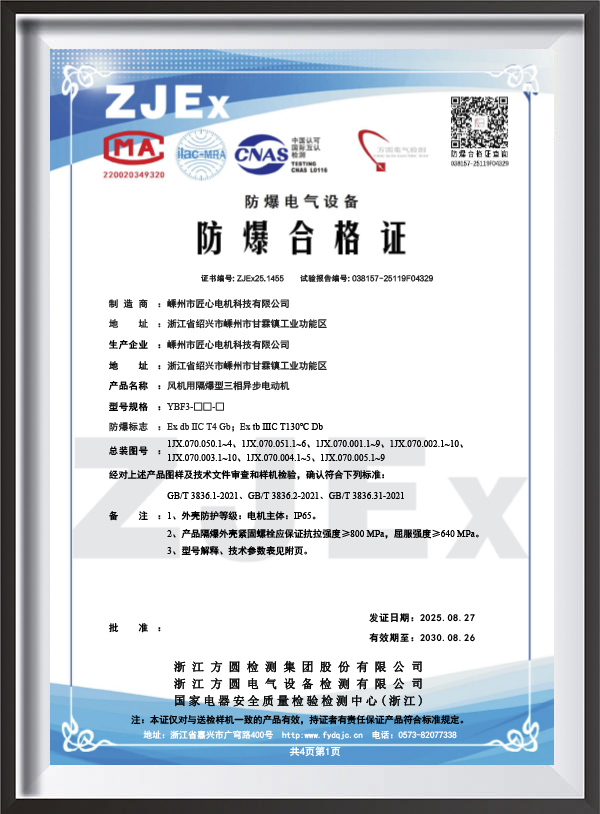
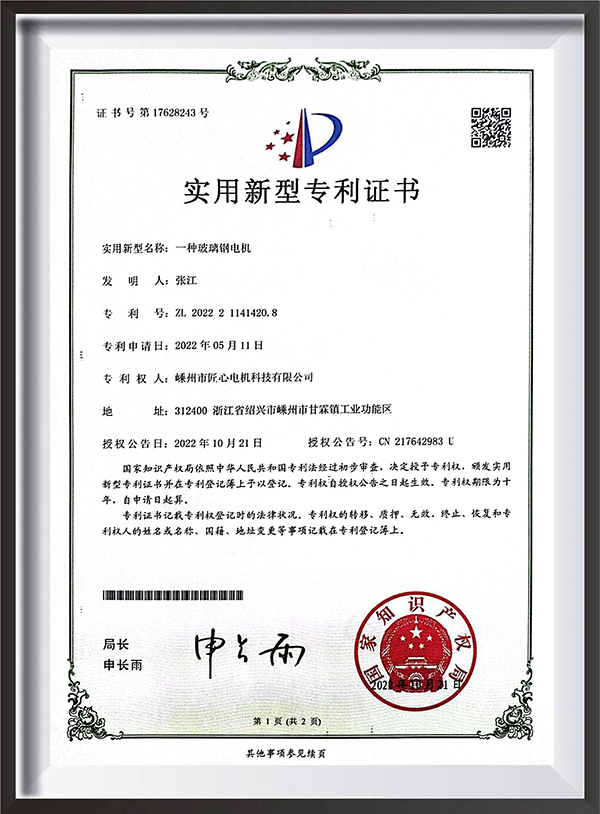
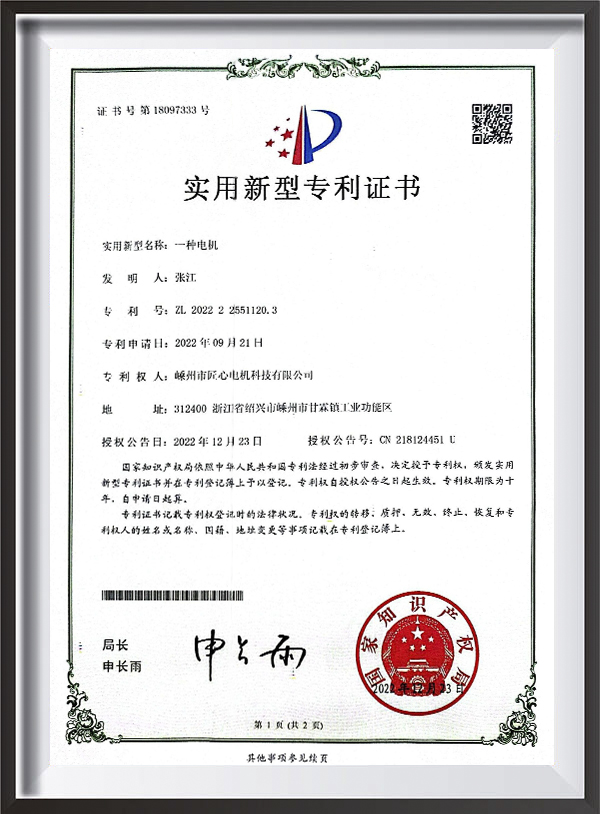
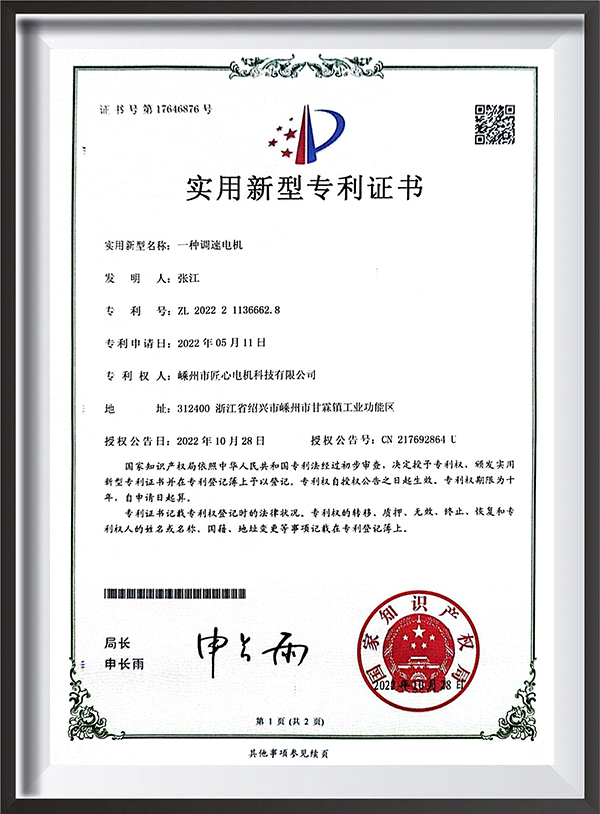
Jiangxin Motor holds CNIPA utility model patents for structural and performance improvements in micro, fan, and AC motors, showcasing our energy-saving expertise and commitment to reliable, high-efficiency solutions.
Message Feedback
Request a Quote
Tell us your requirements and our engineering team will get back to you.