


 English
 русский
 Español
 عربى
عربى


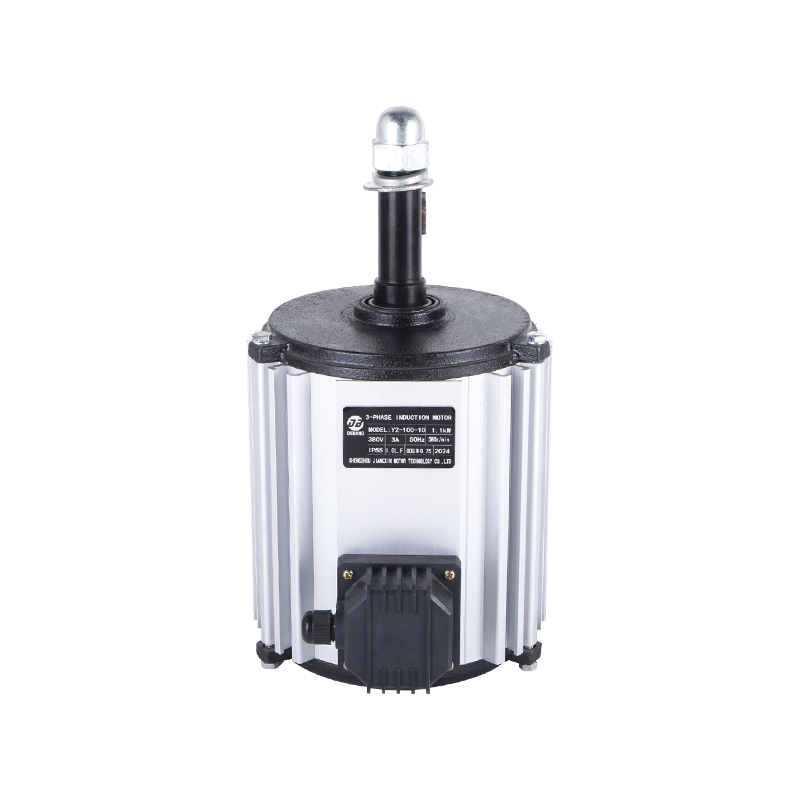
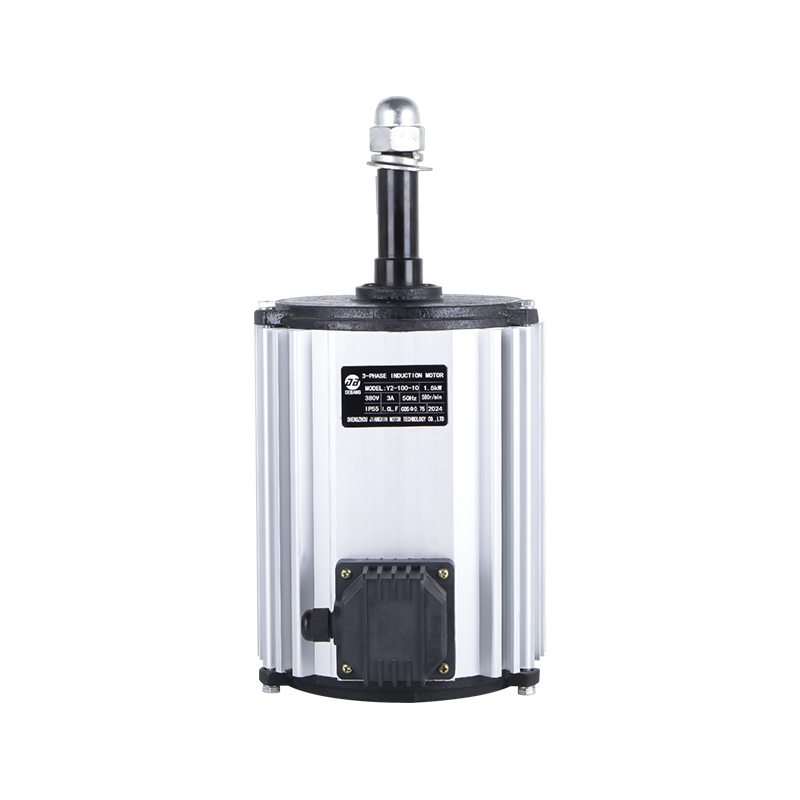
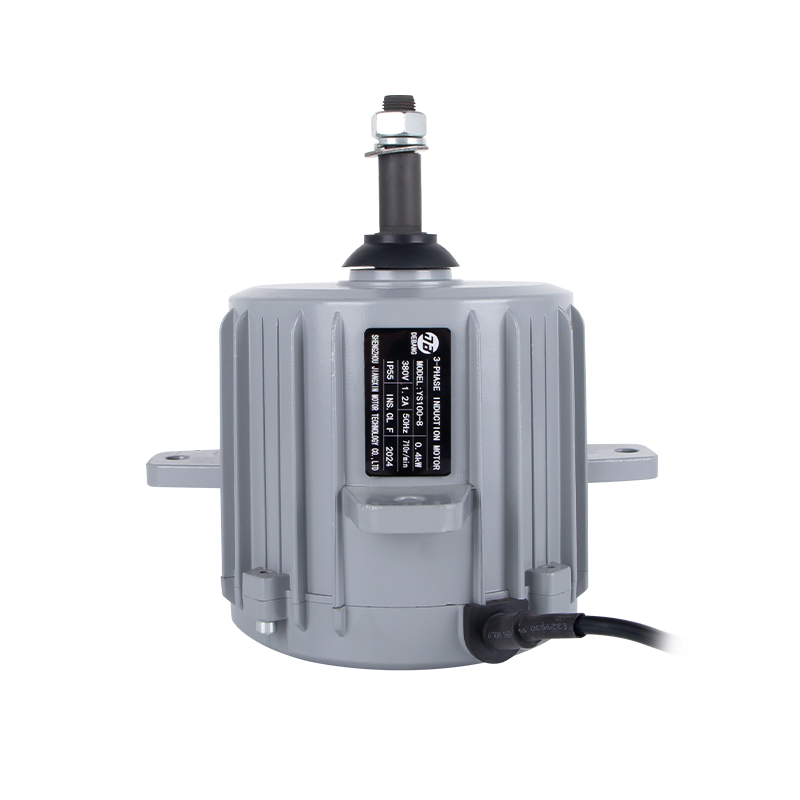
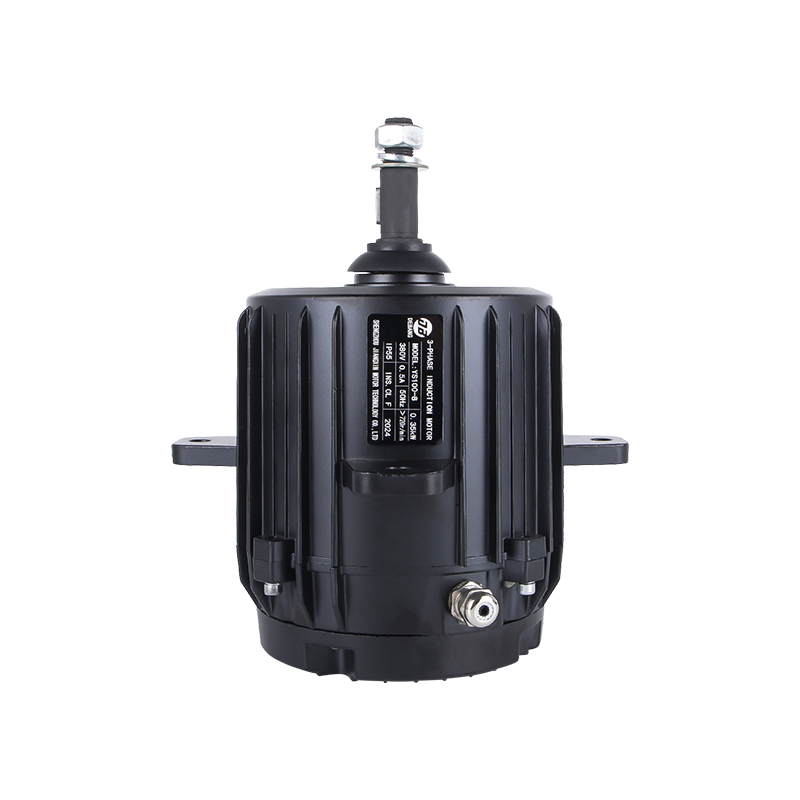
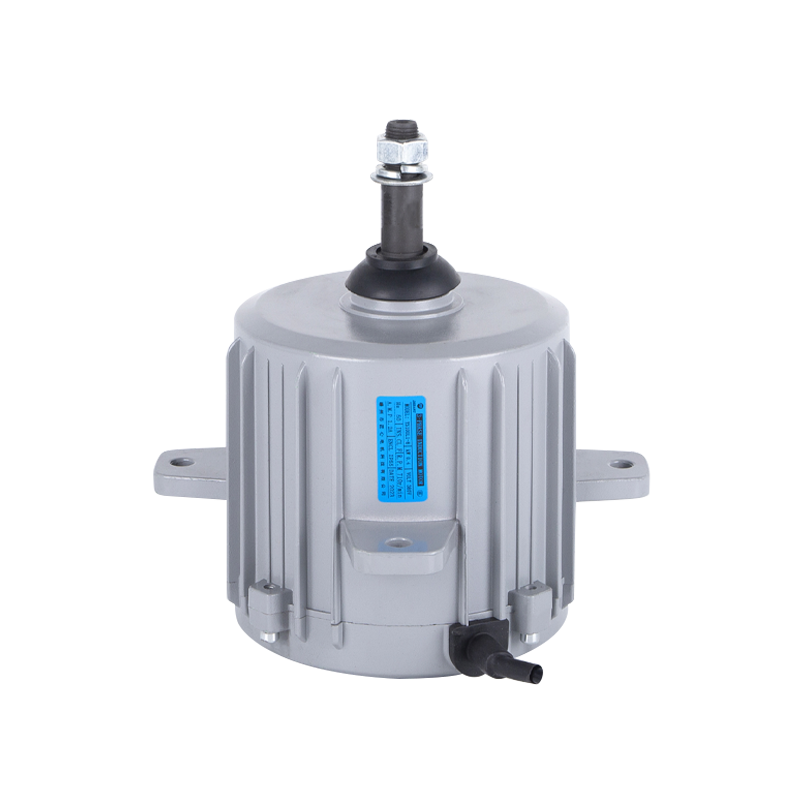
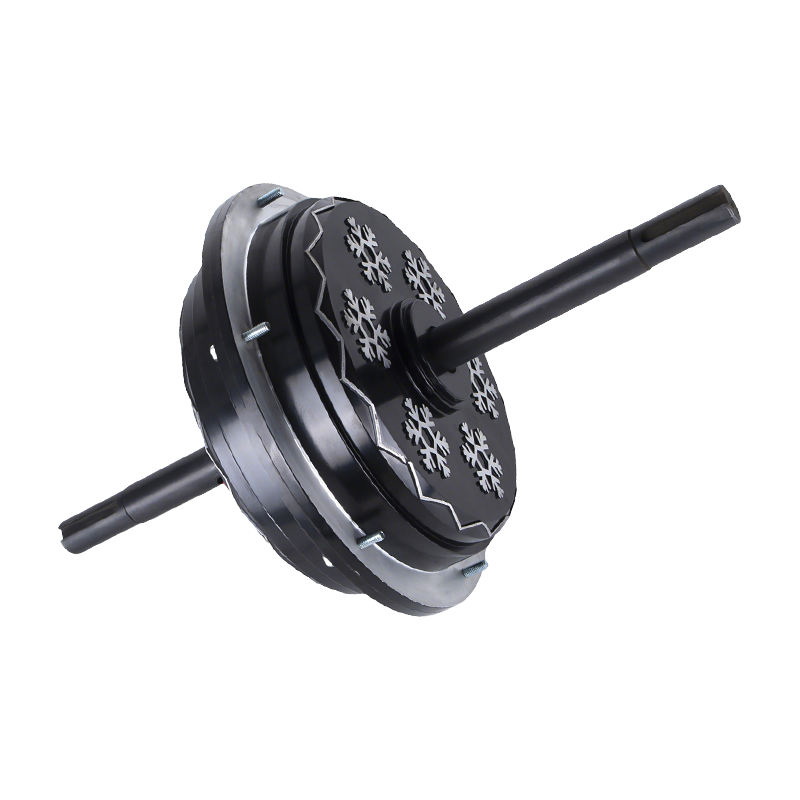
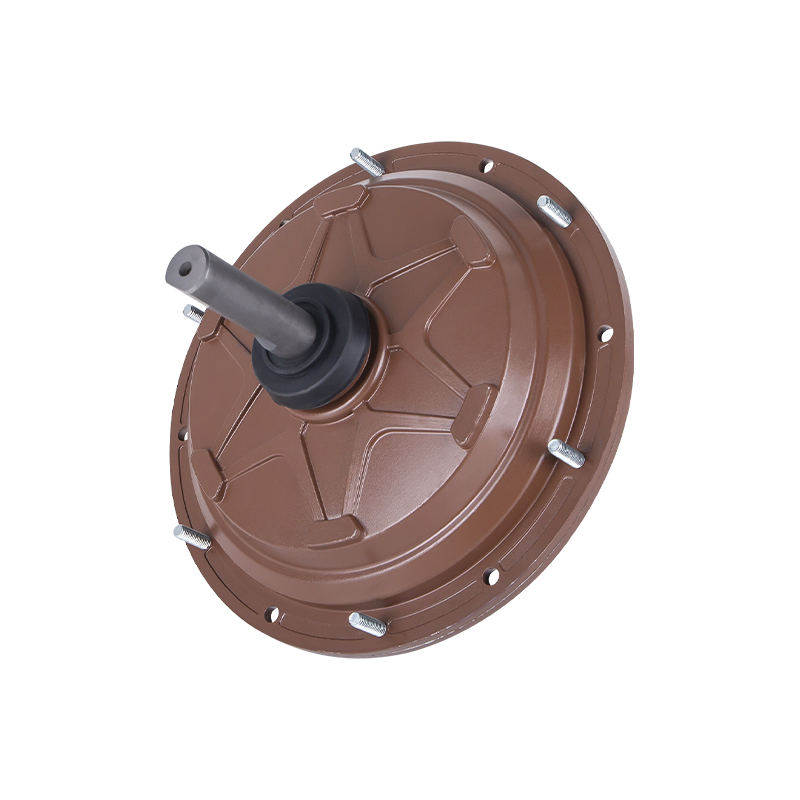
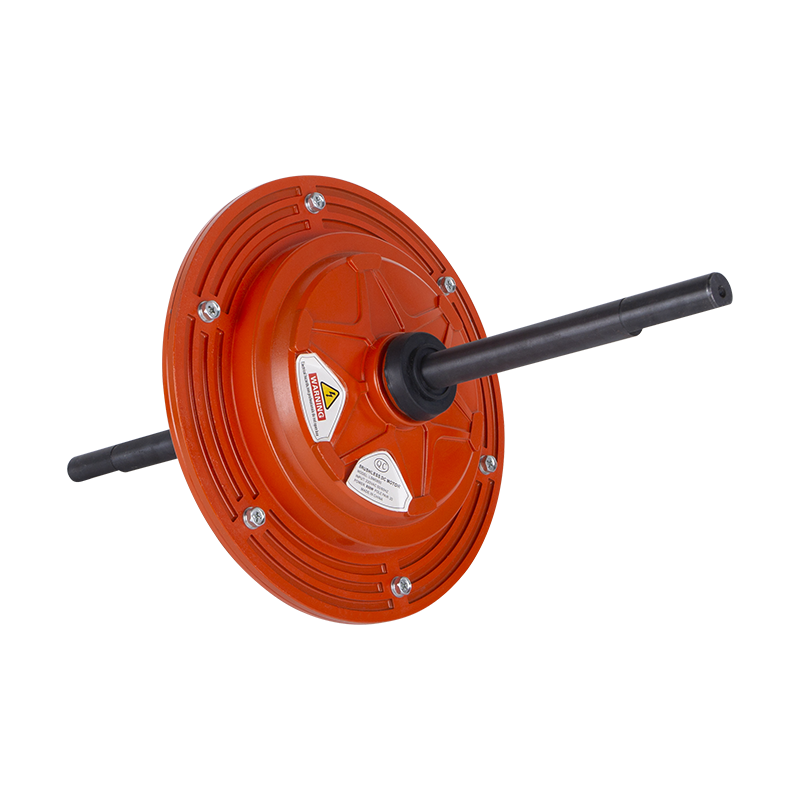

What Factors Affect the Efficiency of Permanent Magnet BLDC Motors in Continuous Operation?
Permanent Magnet BLDC Motors are widely used in industrial systems that require stable torque output, energy efficiency, and long operating cycles. In continuous operation scenarios such as ventilation equipment, pumps, automation systems, and industrial drives, motor efficiency is influenced by multiple electrical, magnetic, thermal, and mechanical factors. A clear understanding of these factors is essential for system integrators and equipment manufacturers when evaluating long-term energy consumption and operational stability.
Electromagnetic design and magnetic circuit efficiency
The electromagnetic design of a BLDC motor directly determines how effectively electrical energy is converted into mechanical output. Permanent magnets provide a constant magnetic field, but efficiency depends on the optimization of air gap, stator slot design, and winding configuration. If magnetic flux distribution is uneven, localized saturation or leakage flux may occur, leading to energy loss. In continuous operation, even small inefficiencies accumulate into noticeable thermal and electrical losses. A Permanent Magnet BLDC Motors Manufacturers typically evaluates magnetic circuit design using simulation models to reduce unnecessary energy dissipation and improve conversion consistency across different load ranges.
Controller compatibility and commutation strategy
The electronic control system plays a critical role in determining BLDC motor efficiency. Commutation timing, PWM frequency, and control algorithm selection directly influence current waveform quality and torque stability. In continuous operation, mismatched controller parameters may lead to increased harmonic losses or irregular current spikes. Sensor-based and sensorless control methods also show differences in low-speed and high-speed performance. Shengzhou Jiangxin Motor Technology Co., Ltd. integrates motor and controller compatibility considerations during development to ensure stable energy conversion across different application environments.
Thermal behavior and continuous load influence
Temperature is one of the most important factors affecting BLDC motor efficiency during continuous operation. As winding temperature increases, resistance rises, leading to higher copper losses. At the same time, excessive heat may slightly reduce magnetic field strength in permanent magnets, affecting torque output stability. Thermal accumulation is influenced by load conditions, ventilation, and installation environment. In industrial applications, maintaining stable thermal distribution is essential to avoid efficiency degradation over long operating cycles. Proper heat dissipation design is therefore a key consideration for Permanent Magnet BLDC Motors Manufacturers.
Load characteristics and duty cycle variation
Continuous operation efficiency is not only determined by rated conditions but also by actual load variation over time. Many industrial systems operate under partial load or fluctuating torque demand. BLDC motors typically show different efficiency levels under varying load ratios, and operating far from optimal load points can increase energy consumption. Duty cycle design must therefore align motor selection with real application requirements. Equipment manufacturers often evaluate torque-speed curves to ensure that operating conditions remain within efficient working ranges.
Winding structure and copper loss control
Copper loss is a major component of energy loss in BLDC motors. Winding resistance, conductor cross-section, and winding distribution all influence current flow efficiency. In continuous operation, prolonged current flow generates heat, which further increases resistance and creates a feedback loop of energy loss. Optimized winding design reduces unnecessary resistance and helps maintain stable performance under long-duration operation. A permanent magnet BLDC motors manufacturers often adjusts winding schemes based on application-specific torque requirements to balance efficiency and output stability.
Iron loss and high-frequency switching effects
Iron loss in stator cores is influenced by magnetic hysteresis and eddy current effects. In high-speed BLDC applications, switching frequency and magnetic flux variation can increase these losses. Continuous operation under high-frequency conditions may lead to cumulative efficiency reduction if core material selection and lamination design are not optimized. Proper selection of silicon steel materials and lamination thickness helps reduce these losses and maintain stable energy conversion characteristics.
Mechanical friction and bearing system influence
Mechanical losses in BLDC motors are primarily associated with bearing friction and rotor resistance. In continuous operation, lubrication conditions and bearing quality directly influence efficiency stability. Increased friction not only reduces mechanical output but also contributes to additional heat generation. Proper bearing selection and lubrication design help maintain stable rotational behavior. Shengzhou Jiangxin Motor Technology Co., Ltd. applies controlled assembly processes to ensure consistent mechanical alignment and reduce unnecessary friction losses in production units.
Comparison of efficiency influencing factors in BLDC motors
| Efficiency Factor | Main Influence Area | Engineering Consideration |
| Magnetic Circuit Design | Energy conversion efficiency | Flux distribution and air gap optimization |
| Controller Matching | Commutation efficiency | PWM control strategy and timing accuracy |
| Thermal Management | Resistance and magnetic stability | Heat dissipation and material selection |
| Winding Structure | Copper loss control | Conductor size and winding layout |
High-speed operation and efficiency stability
At high rotational speeds, BLDC motors experience increased switching losses and mechanical stress. Efficiency behavior may shift depending on load conditions and controller response. Stability at high speed requires precise rotor balance, optimized magnetic design, and stable electronic control systems. In industrial applications, maintaining efficiency consistency across speed ranges is essential for energy-saving operation and system reliability.
Manufacturing consistency and performance variation control
Manufacturing consistency plays an important role in ensuring predictable efficiency performance across production batches. Variations in winding precision, magnet placement, and assembly alignment can lead to efficiency differences between units. Permanent Magnet BLDC Motors Manufacturers typically implement standardized inspection procedures and testing systems to reduce variability. Shengzhou Jiangxin Motor Technology Co., Ltd. applies controlled quality management processes to ensure stable performance behavior across different industrial applications.
System integration influence on real-world efficiency
In practical applications, motor efficiency is not determined in isolation but is influenced by the entire system design. Load matching, transmission structure, and environmental conditions all affect final energy consumption. Poor system integration may cause a high-efficiency motor to operate outside its optimal range, reducing expected performance benefits. Therefore, system-level engineering evaluation is necessary when deploying BLDC motors in continuous operation environments.
How to Optimize Control Performance of Permanent Magnet BLDC Motors in Industrial Applications?
Permanent magnet BLDC motors are widely used in industrial automation, ventilation systems, pumps, and precision drive equipment due to their stable torque output and controllability. In real industrial environments, motor performance is not determined by the motor body alone, but by the coordination between the motor, driver, control algorithm, and application load. For system integrators and equipment manufacturers, improving control performance means achieving smoother torque output, better response speed, and stable operation under varying load conditions. As one of the Permanent Magnet BLDC Motors Manufacturers, Shengzhou Jiangxin Motor Technology Co., Ltd. focuses on optimizing motor-electronics matching to support stable industrial operation across different application scenarios.
Matching between motor parameters and driver system
One of the most critical factors affecting BLDC control performance is the matching between motor electrical parameters and the driver system. Parameters such as phase resistance, inductance, back EMF constant, and rated current must align with the controller’s output capability. If mismatches occur, the system may experience current ripple, delayed response, or inefficient energy conversion. In industrial applications, proper matching ensures that torque output follows control signals accurately, especially under variable load conditions. A well-designed system from a Permanent Magnet BLDC Motors Manufacturers perspective considers driver compatibility during early design stages rather than treating it as a separate component.
Commutation strategy and control algorithm optimization
BLDC motor performance is strongly influenced by commutation strategy. Hall sensor-based control provides stable startup and low-speed torque, while sensorless control improves system compactness and reduces mechanical complexity. However, sensorless systems rely heavily on back EMF detection accuracy, which may affect low-speed stability. Advanced control algorithms such as field-oriented control (FOC) can improve torque smoothness and reduce ripple. In industrial applications, selecting and tuning the control algorithm according to load characteristics is essential for maintaining stable performance across different operating conditions.
PWM frequency and current waveform stability
Pulse Width Modulation (PWM) frequency directly affects current waveform quality and motor acoustic performance. Low PWM frequency may result in increased torque ripple and audible noise, while excessively high frequency can increase switching losses in the driver system. Balancing these factors is important for achieving stable control performance. In industrial environments where motors operate continuously, optimizing PWM settings helps reduce electrical stress and improve long-term system stability.
Load variation and dynamic response control
Industrial BLDC motor applications often involve fluctuating loads, such as variable airflow in ventilation systems or changing pressure in pump systems. Control performance must ensure that the motor responds quickly without overshooting or instability. Proper tuning of current loop and speed loop parameters allows the system to adapt to load changes smoothly. Shengzhou Jiangxin Motor Technology Co., Ltd. integrates application-based testing to evaluate motor behavior under different load profiles, ensuring stable response characteristics in real operating conditions.
Thermal control and long-term stability
Temperature changes directly influence both motor and controller performance. As temperature increases, winding resistance rises and may affect current control accuracy. At the same time, excessive heat may influence magnetic properties and reduce torque consistency. Effective thermal design, including heat dissipation structure and airflow management, helps maintain stable control behavior during continuous operation. In industrial systems, thermal stability is closely linked to control accuracy and system reliability.
Mechanical alignment and vibration influence on control accuracy
Mechanical factors such as rotor alignment, bearing condition, and system vibration also affect control performance. Excessive vibration may introduce sensor noise or disrupt back EMF detection in sensorless systems. Proper mechanical assembly and balancing help ensure stable signal feedback and reduce control interference. In high-speed applications, maintaining mechanical consistency is essential for achieving precise control behavior.
System-level integration in industrial applications
Control performance optimization is not limited to the motor or driver alone; it extends to the entire system architecture. Transmission mechanisms, load characteristics, and environmental conditions all influence final behavior. For example, mismatched gear ratios or unstable power supply conditions can reduce overall control efficiency. A system-level design approach allows engineers to align motor selection, controller tuning, and application requirements for better operational stability.
Application-specific customization and engineering support
In industrial practice, different applications require different control priorities. Some systems prioritize low-speed torque stability, while others focus on high-speed efficiency or rapid acceleration response. Permanent Magnet BLDC Motors Manufacturers often provide customized motor configurations and control recommendations based on application requirements. Shengzhou Jiangxin Motor Technology Co., Ltd. supports parameter customization and testing validation to ensure compatibility with various industrial systems, including ventilation, pumping, and automation equipment.