

 English
 русский
 Español
 عربى
عربى


No. 8, Duxiu San Road, Ganlin Town, Shengzhou City, Shaoxing City, Zhejiang Province, China

News Category
Product Category
What Is an EC Fan Motor and Why Is It Revolutionizing HVAC and Industrial Cooling?
Content
- 1 What Is an EC Fan Motor?
- 2 How Does an EC Fan Motor Work?
- 3 EC Fan Motor vs AC Fan Motor: A Detailed Comparison
- 4 Key Advantages of EC Fan Motors
- 5 Applications of EC Fan Motors
- 6 How to Choose the Right EC Fan Motor
- 7 Installation and Wiring of EC Fan Motors
- 8 Maintenance and Troubleshooting
- 9 Energy Savings and Return on Investment
- 10 Future Trends in EC Fan Motor Technology
- 11 Frequently Asked Questions About EC Fan Motors
- 11.1 What is an EC fan motor?
- 11.2 Why is an EC fan motor more efficient than an AC motor?
- 11.3 Can I replace my AC fan motor with an EC motor?
- 11.4 What is the lifespan of an EC fan motor?
- 11.5 How do I control the speed of an EC fan motor?
- 11.6 Are EC fan motors expensive?
- 11.7 Can EC fan motors be used outdoors?
- 11.8 Do EC fan motors require a VFD?
- 11.9 What is the noise level of EC fan motors compared to AC motors?
- 11.10 Are EC fan motors compatible with building automation systems (BAS)?
- 11.11 How do I know if an EC fan motor is failing?
- 11.12 Can I use an EC fan motor with a dimmer switch?
- 11.13 What is the difference between EC and BLDC motors?
- 11.14 Can EC fan motors be repaired, or are they disposable?
- 11.15 Where can I buy EC fan motors?
What Is an EC Fan Motor?
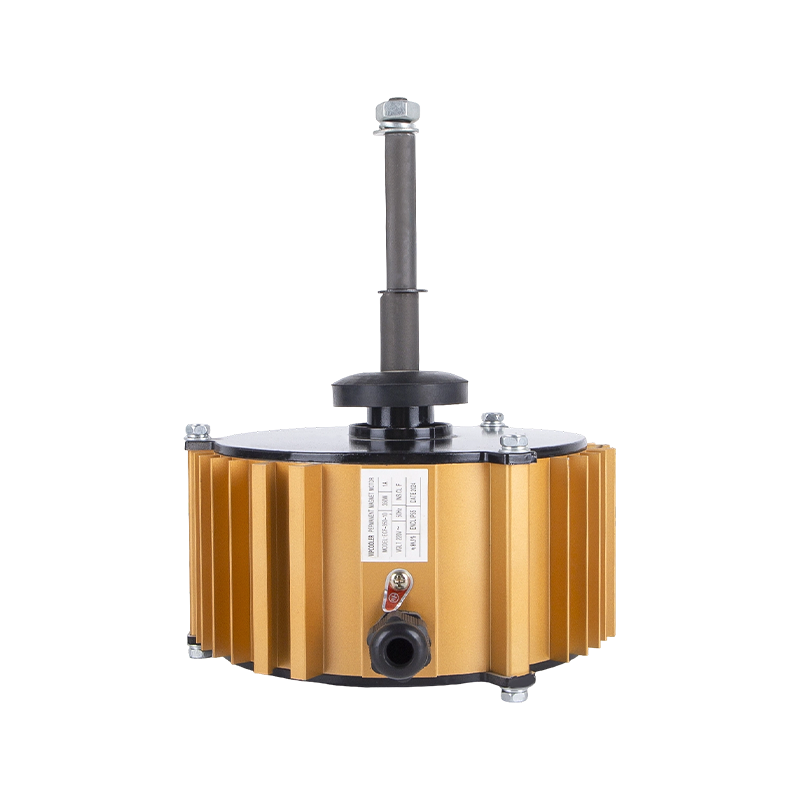
An EC fan motor is a permanent‑magnet synchronous motor that is driven by an integral electronic control board. The term "EC" stands for electronically commutated, which refers to the electronic switching of current to the motor windings, replacing the mechanical commutator and brushes found in traditional DC motors. This electronic commutation is what makes the motor highly efficient, quiet, and reliable.
The motor itself is a three‑phase brushless DC motor with a rotor containing permanent magnets and a stator with windings. The control electronics convert the incoming AC or DC power into a three‑phase waveform that drives the motor at the desired speed. The speed can be infinitely varied via a 0‑10 V DC signal, PWM (pulse width modulation), or digital communication protocols such as Modbus or BACnet.
In fan applications, the motor is typically integrated with an impeller to form a compact, ready‑to‑install unit. The entire assembly is often designed as an external‑rotor motor, where the rotor rotates on the outside and carries the fan blades, resulting in a compact, efficient, and low‑noise design.
EC fan motors are available in a wide power range—from a few watts for electronics cooling to several kilowatts for large commercial HVAC systems. They can achieve motor efficiencies exceeding 90%, which is significantly higher than standard AC motors (which typically operate at 60‑80% efficiency, with even lower partial‑load efficiency).
How Does an EC Fan Motor Work?
To appreciate the EC fan motor, it helps to understand its operating principles and how they differ from traditional AC motors.
In a standard AC induction motor, the speed is determined by the frequency of the AC supply and the number of poles. To change speed, you need a variable frequency drive (VFD), which adds cost and complexity. Even with a VFD, AC motors lose efficiency at lower speeds due to slip and increased losses. In contrast, an EC fan motor uses a built‑in controller that generates a variable‑frequency, variable‑voltage signal to the motor windings. This allows the motor to run at any speed from near zero to full rated speed, maintaining high efficiency across the entire range.
The electronic commutation is achieved using power transistors (usually MOSFETs or IGBTs) that switch current to the stator windings based on the rotor position, which is sensed by Hall effect sensors or through back‑EMF (electromotive force) sensing. By precisely timing the current pulses, the controller synchronizes the magnetic field rotation with the rotor's permanent magnets, ensuring maximum torque and minimal losses.
The control board also includes a rectifier to convert AC input to DC, and a power factor correction (PFC) stage to minimize harmonic distortion and improve power quality. This is why EC fan motors are often power factor corrected to near unity, reducing reactive power and electrical demand charges.
Furthermore, EC fan motors can be equipped with intelligent features such as built‑in protection against over‑voltage, under‑voltage, over‑current, and over‑temperature. They can also provide diagnostic feedback, such as speed, power consumption, and fault codes, which can be transmitted to building management systems for remote monitoring and control.
EC Fan Motor vs AC Fan Motor: A Detailed Comparison
To fully grasp the advantages of EC fan motors, it is useful to compare them directly with traditional AC fan motors.
Efficiency: EC fan motors typically achieve motor efficiencies of 85‑90%, while AC motors with VFDs often achieve only 70‑80% at full speed and drop significantly at part load. EC motors maintain high efficiency across the entire speed range, whereas AC motors lose efficiency as speed decreases. This translates to 30‑50% energy savings in many applications.
Speed Control: EC motors have built‑in variable speed control as standard. AC motors require an external VFD, which adds cost, space, and maintenance. EC motors also have faster response times and more precise speed regulation.
Power Factor: EC motors typically have a power factor close to 1.0, meaning they draw less reactive current. AC motors often have a power factor of 0.7‑0.8, which can incur penalties from utility companies and require larger wiring and transformers.
Noise: EC motors operate more quietly than AC motors, especially at low speeds, because the electronic commutation eliminates the electrical noise of brush arcing and the mechanical noise of belt drives (in many cases, EC fans are direct‑drive).
Size and Weight: EC motors are generally more compact and lighter than AC motors of similar output, due to the use of permanent magnets and higher power density.
Reliability and Lifespan: EC motors have fewer wear parts (no brushes, no starter relays, no external VFD) and are sealed against dust and moisture. This leads to longer service life, often exceeding 60,000 hours, and lower maintenance costs.
Cost: EC motors have a higher initial cost due to the integrated electronics. However, the energy savings and reduced maintenance often pay back the premium in 1‑3 years, especially in continuous‑operation applications.
In summary, EC fan motors outperform AC motors in virtually every metric except upfront cost. For any new installation or major retrofit, EC technology is nearly always the superior choice.
Key Advantages of EC Fan Motors
The growing adoption of EC fan motors is driven by a compelling set of benefits that address the needs of modern building and industrial systems.
Energy Efficiency: This is the single most important advantage. EC motors consume significantly less electricity, reducing operating costs and carbon footprint. In HVAC systems, fans can account for 30‑60% of total energy consumption; upgrading to EC motors can cut this by a third or more.
Precise Control: The ability to adjust fan speed precisely to meet real‑time demand—rather than relying on dampers or on/off cycling—optimizes airflow and minimizes energy waste. This is crucial for variable air volume (VAV) systems and demand‑controlled ventilation.
Quiet Operation: Lower speeds and smooth electronic commutation result in much quieter fans, which improves occupant comfort and reduces noise pollution.
Long Service Life: With no brushes and minimal heat generation, EC motors have longer operational life and require less frequent replacement. The integrated electronics also include protection features that prevent damage from electrical faults.
Built‑in Intelligence: Many EC fan motors come with integrated sensors and communication interfaces, enabling condition monitoring, predictive maintenance, and integration with building automation systems (BAS).
Environmentally Friendly: By reducing energy consumption, EC motors help lower greenhouse gas emissions. Many manufacturers also use recyclable materials and comply with RoHS and REACH regulations.
Reduced Heat Output: Higher efficiency means less waste heat, which can reduce cooling loads in equipment rooms, further improving overall system efficiency.
These advantages make EC fan motors the preferred choice for new projects and retrofits across a wide range of applications.
Applications of EC Fan Motors
EC fan motors are used in a vast array of applications where air movement is required, and their adoption is expanding rapidly.
HVAC Systems: In commercial and residential HVAC, EC motors are used in air handling units (AHUs), fan coil units, condensing units, heat pumps, and rooftop units. They allow for precise temperature and humidity control while significantly reducing energy usage.
Data Centers and Telecommunications: Cooling is a major operational cost for data centers. EC fans in server racks, chillers, and cooling towers provide the needed airflow while minimizing energy consumption. Their ability to modulate speed based on heat load is invaluable.
Refrigeration and Cold Storage: EC motors are used in evaporator fans, condenser fans, and coolers, where they maintain stable temperatures and reduce defrost cycles, improving food safety and energy efficiency.
Automotive and Transportation: Electric vehicles use EC fans for battery cooling, cabin ventilation, and heating systems. They are also found in commercial vehicle HVAC and auxiliary cooling systems.
Industrial Ventilation and Fume Extraction: Factories and warehouses rely on EC fans for general ventilation, dust collection, and fume extraction. The ability to adjust airflow based on process needs saves energy and improves air quality.
Cleanrooms and Laboratories: The precise control and low noise of EC motors make them ideal for cleanrooms, where air change rates must be tightly regulated and contamination minimized.
Agriculture and Horticulture: Greenhouse ventilation, livestock barn ventilation, and drying systems benefit from EC fans' energy efficiency and variable speed control.
Consumer Electronics: Small EC fans are used in laptops, gaming consoles, and other devices to provide quiet, efficient cooling.
As the cost of EC technology continues to decrease, its presence in these and other markets will only grow.
How to Choose the Right EC Fan Motor
Selecting an EC fan motor involves more than just picking a power rating. Consider the following factors to ensure optimal performance and longevity.
Airflow and Pressure Requirements: Determine the required airflow (CFM or m³/h) and static pressure (Pa or inches of water) for your application. The fan curve provided by the manufacturer will show the relationship between airflow, pressure, and motor speed. Choose a motor that can deliver the required performance with some margin.
Power Supply: EC fan motors are available for various input voltages—typically 115V, 230V, or 277V AC, or 24V DC. Ensure compatibility with your power source. Some models accept universal voltage (100‑277V AC) for global flexibility.
Control Interface: Decide how you will control the motor. Options include 0‑10 V DC, 4‑20 mA, PWM, or digital communication (Modbus, BACnet, KNX). Ensure your control system can interface with the chosen option. Many motors also have a simple onboard potentiometer for manual speed setting.
Mounting and Form Factor: EC fan motors come in various mounting styles—flange‑mount, foot‑mount, or integrated with the fan wheel. Choose the configuration that fits your existing equipment or design.
Environmental Conditions: Consider the operating temperature, humidity, dust, and chemical exposure. Some motors have higher IP (Ingress Protection) ratings (e.g., IP54, IP55) for harsh environments. Also check the operating temperature range.
Noise Constraints: If noise is a concern, look for motors with optimized impeller designs and vibration damping. Lower speeds generally produce less noise.
Efficiency and Part‑Load Performance: Since most fans run at less than full speed for a large portion of their operating life, evaluate the efficiency curve at partial load, not just at full speed.
Life and Reliability: Check the motor's expected lifespan (often given in hours) and the warranty. Motors with sealed bearings and robust electronics generally last longer.
Compliance and Certifications: Ensure the motor meets relevant industry standards such as UL, CE, RoHS, and possibly energy efficiency regulations (e.g., ErP directive in Europe, Energy Star).
Always consult the manufacturer's datasheets and, if possible, test the motor in your specific application to confirm performance.
Installation and Wiring of EC Fan Motors
Proper installation is crucial to ensure safe and reliable operation of EC fan motors.
First, disconnect power before any wiring or installation. Mount the motor securely using all mounting points, ensuring it is aligned with the fan housing and ductwork. For direct‑drive fans, ensure the impeller is balanced and free to rotate without interference.
Wiring must follow the manufacturer's diagram. Most EC motors require a dedicated power supply (line and neutral) and a separate control signal (0‑10 V or PWM). Ground the motor according to local electrical codes. Use shielded cables for control signals to prevent electromagnetic interference (EMI).
If using digital communication, ensure the correct protocol and baud rate are set, and terminate the network if required. Connect the motor's alarm or status outputs to your monitoring system if desired.
After installation, perform a functional test: apply power and verify the motor starts and runs in the correct direction. Test the speed control to ensure it responds to the control signal across the entire range. Check for abnormal noise or vibration.
Always follow the manufacturer's installation manual, as specific instructions can vary.
Maintenance and Troubleshooting
EC fan motors require minimal maintenance compared to AC motors, but some routine checks are recommended.
Regularly inspect the fan and motor for dust accumulation, which can impede airflow and cause overheating. Clean the fan blades and motor housing with a soft brush or compressed air, taking care not to damage the electronics. Check for loose electrical connections and tighten if necessary. Verify that the control signal is stable and within the specified range.
Common troubleshooting issues:
Motor does not start: Check power supply voltage and fuse/circuit breaker. Ensure the control signal is present and at the correct level. Verify that the motor's enable input (if any) is active. If all appears correct, check the motor's internal fuse or protective circuits.
Motor runs slowly or erratically: Check control signal for noise or voltage drop. Verify that the motor is not overloaded—check for blocked ducts or excessive static pressure. Check for damaged bearings or impeller imbalance.
Motor stops after brief operation: This could indicate over‑temperature protection activation. Check for adequate ventilation around the motor and clean dust from the heatsink or cooling fins. Ensure the ambient temperature is within the motor's rated range.
Excessive noise or vibration: Check for impeller imbalance, loose mounting, or worn bearings. Also verify that the motor is not operating at a resonant frequency—try adjusting the speed slightly to avoid resonance.
If you cannot resolve the issue, contact the manufacturer's technical support for assistance. Some manufacturers provide diagnostic software that can communicate with the motor to read fault codes.
Energy Savings and Return on Investment
One of the most compelling reasons to upgrade to EC fan motors is the potential for significant energy savings and rapid payback. To estimate the savings, compare the power consumption of an EC motor against an equivalent AC motor at typical operating speeds.
For example, a typical AC fan motor running at 80% speed may consume 70‑80% of its full‑load power due to decreased efficiency. An EC motor at the same speed may consume only 50‑60% of full load power, thanks to its flat efficiency curve. The difference can be 20‑30% or more, depending on the application.
Over a year of continuous operation, a 1.5 kW EC motor could save hundreds of kilowatt‑hours compared to an AC motor. At typical industrial electricity rates, the savings can quickly offset the premium cost of the EC motor. In many cases, payback periods are less than 2 years.
In addition, EC motors reduce the need for external VFDs, which not only saves capital cost but also eliminates the losses associated with the VFD itself (typically 3‑5%).
When evaluating a retrofit, consider the total cost of ownership (TCO), which includes purchase price, installation, energy, and maintenance costs over the motor's lifetime. For most applications, the TCO of EC motors is lower than that of AC motors.
Future Trends in EC Fan Motor Technology
The EC fan motor market is evolving rapidly, driven by advances in power electronics, materials, and digital connectivity.
Higher Integration: Manufacturers are integrating more functions into the motor—sensors for temperature, vibration, and air quality, as well as wireless communication (Bluetooth, Wi‑Fi) for easier setup and monitoring.
Improved Efficiency: The use of silicon carbide (SiC) and gallium nitride (GaN) power semiconductors is reducing losses in the motor drive, pushing overall efficiency even higher.
Energy Harvesting: Some prototypes are exploring the use of waste heat or vibration to power the motor's control electronics, further reducing grid consumption.
Artificial Intelligence: AI algorithms are being embedded in motor controllers to predict maintenance needs, optimize speed profiles based on historical data, and detect anomalies in real time.
Modular Design: To reduce inventory costs, some manufacturers are offering modular EC motors where the control board, motor, and fan can be separately upgraded.
Eco‑Friendly Materials: The trend toward sustainability is leading to motors with recyclable magnets, reduced rare‑earth content, and biodegradable insulation materials.
These innovations will make EC fan motors even more attractive and ubiquitous in the coming years.
Frequently Asked Questions About EC Fan Motors
What is an EC fan motor?
An EC fan motor is an electronically commutated, brushless DC motor with integrated control electronics. It converts AC or DC power to drive a permanent‑magnet motor with high efficiency and precise speed control. It is widely used in fans for HVAC, cooling, and ventilation applications.
Why is an EC fan motor more efficient than an AC motor?
EC motors use permanent magnets and electronic commutation, eliminating the losses from slip and rotor copper that are inherent in AC induction motors. They also maintain high efficiency at part load, whereas AC motors lose efficiency as speed decreases. Additionally, EC motors have a near‑unity power factor, reducing reactive power losses.
Can I replace my AC fan motor with an EC motor?
In many cases, yes. You will need to match the mechanical mounting, shaft size, and airflow/pressure requirements. Also, ensure your electrical supply and control system are compatible. Many manufacturers offer direct replacement kits for common AC motor sizes.
What is the lifespan of an EC fan motor?
EC fan motors typically have a lifespan of 40,000 to 60,000 hours or more, depending on the operating conditions and maintenance. Some high‑quality models can exceed 100,000 hours. They generally outlast AC motors due to lower heat generation and fewer moving parts.
How do I control the speed of an EC fan motor?
Speed can be controlled via a 0‑10 V DC analog signal, a 4‑20 mA current loop, PWM (pulse width modulation), or digital communication protocols such as Modbus, BACnet, or KNX. Many motors also have a built‑in potentiometer for manual adjustment.
Are EC fan motors expensive?
EC motors have a higher upfront cost than comparable AC motors, but the energy savings often result in a payback of 1‑3 years. Over the motor's lifespan, the total cost of ownership is usually lower for EC motors.
Can EC fan motors be used outdoors?
Yes, but you must choose a model with an appropriate IP rating (e.g., IP54, IP55, IP65) to protect against moisture and dust. Some motors are also rated for specific ambient temperature ranges.
Do EC fan motors require a VFD?
No, EC motors have built‑in variable speed control electronics, so an external VFD is not needed. This simplifies installation and reduces cost.
What is the noise level of EC fan motors compared to AC motors?
EC motors generally run quieter, especially at lower speeds, due to smoother electronic commutation and the absence of mechanical brushes. They also allow operation at lower speeds, which reduces aerodynamic noise from the fan itself.
Are EC fan motors compatible with building automation systems (BAS)?
Yes, many EC motors offer Modbus, BACnet, or other communication protocols that allow integration with BAS for centralized control, monitoring, and data logging.
How do I know if an EC fan motor is failing?
Signs include unusual noise, vibration, overheating, inability to reach set speed, or error codes displayed on the motor or reported via communication. Regular monitoring of power consumption can also indicate performance degradation.
Can I use an EC fan motor with a dimmer switch?
No, dimmer switches are designed for resistive loads like incandescent lamps and can damage the motor's electronics. Use the appropriate control signal (0‑10 V, PWM, etc.) as specified by the manufacturer.
What is the difference between EC and BLDC motors?
EC (electronically commutated) and BLDC (brushless DC) motors are essentially the same technology. The term "EC" is commonly used in the fan industry, while "BLDC" is used in other applications. Both refer to permanent‑magnet synchronous motors with electronic commutation.
Can EC fan motors be repaired, or are they disposable?
Many EC fan motors can be repaired by replacing the control board or other modular components, but it is often more cost‑effective to replace the entire unit, especially for smaller motors. Larger, more expensive units may have repairable parts.
Where can I buy EC fan motors?
EC fan motors are available from major HVAC and industrial component distributors, online retailers, and directly from manufacturers such as ebm‑papst, Ziehl‑Abegg, Nidec, and others. Always ensure you are purchasing from an authorized distributor for genuine products and warranty support.
 Ready To Customise
 Your Motor Products?

We are professional motor manufacturers, delivering powerful, stable, and efficient power cores for all industries through precision craftsmanship and innovation.
Contact Us
-
 Mobile:+86 13575536911
-
 Tel:+86 18357538240
-
 Whatsapp:+8618357538240
-
 Email:betty@dbjxmotor.com
-
 Company Address
Copyright © by Shengzhou Jiangxin Motor Technology Co., Ltd. All Rights Reserved.
Wholesale Industrial Fan Motors Manufacturers
